Introduction to Immersive Technology in 2026
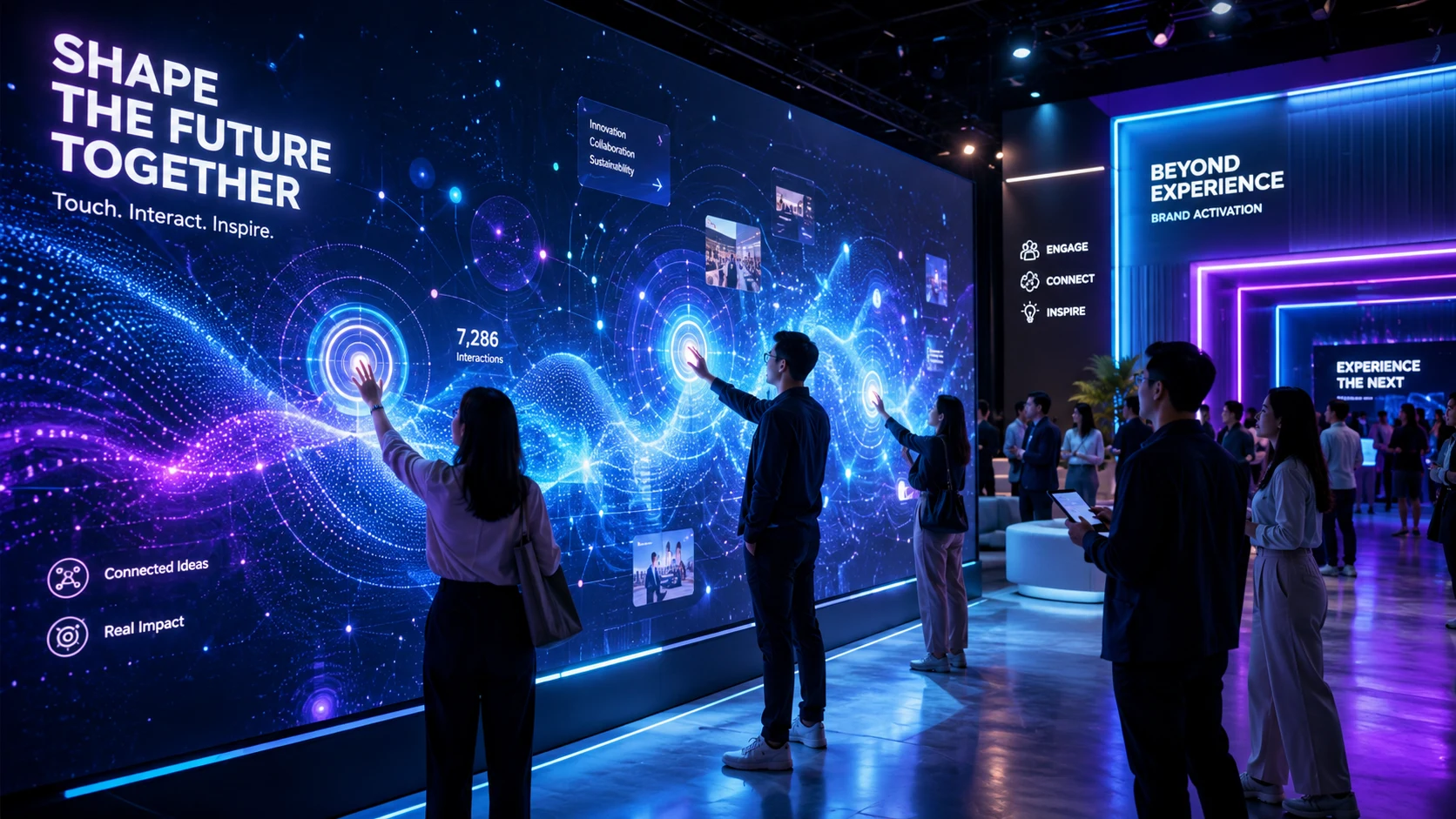
The year 2026 marks a major turning point for immersive technology. What once felt experimental or futuristic has now become practical, accessible, and deeply integrated into everyday life. Immersive technology trends 2026 reflect a shift from novelty-driven experiences to purpose-built solutions that enhance how people work, learn, heal, shop, and connect.
Immersive technology includes virtual reality (VR), augmented reality (AR), mixed reality (MR), and extended reality (XR). Together, these technologies blur the line between physical and digital environments. In 2026, they are no longer limited to gaming or entertainment. Instead, they power enterprise training, remote collaboration, healthcare therapy, and immersive education at scale.
What makes this year different is maturity. Hardware is lighter, software is smarter, and content is more human-centered. Combined with artificial intelligence, cloud computing, and faster networks, immersive platforms are finally delivering real value. Let’s explore how these trends are shaping the digital world in 2026.
Evolution of Immersive Technology: From Experiment to Everyday Use
In earlier years, immersive technology struggled with high costs, bulky headsets, and limited content. By 2026, those barriers have dropped significantly. Devices are more affordable, comfortable, and powerful. Standalone headsets no longer require external computers, and AR experiences run smoothly on everyday devices.
Another major evolution is usability. Interfaces now rely on natural gestures, voice commands, and eye tracking. This reduces learning curves and makes immersive experiences accessible to non-technical users. As a result, immersive tools are moving beyond early adopters into mainstream audiences.
Industries now view immersive platforms as long-term investments rather than short-term experiments. This shift has accelerated adoption and innovation across sectors.
Key Drivers Accelerating Immersive Technology Trends 2026
Several forces are driving immersive technology forward in 2026:
- Advances in AI and machine learning
- Improved hardware performance and battery life
- Widespread 5G and edge computing
- Growing demand for remote and hybrid experiences
- Increased focus on experiential learning and engagement
Together, these drivers create an ecosystem where immersive experiences feel seamless, responsive, and meaningful. Businesses and consumers alike now expect digital interactions to be interactive and personalized, not flat or passive.
Role of Artificial Intelligence in Immersive Experiences
Artificial intelligence is the backbone of many immersive technology trends 2026. AI adds intelligence, adaptability, and realism to virtual environments.
AI-Powered Avatars and Virtual Assistants
In 2026, avatars are no longer static characters. AI-driven avatars can understand speech, interpret emotions, and respond naturally. These avatars serve as virtual trainers, customer support agents, and digital coworkers.
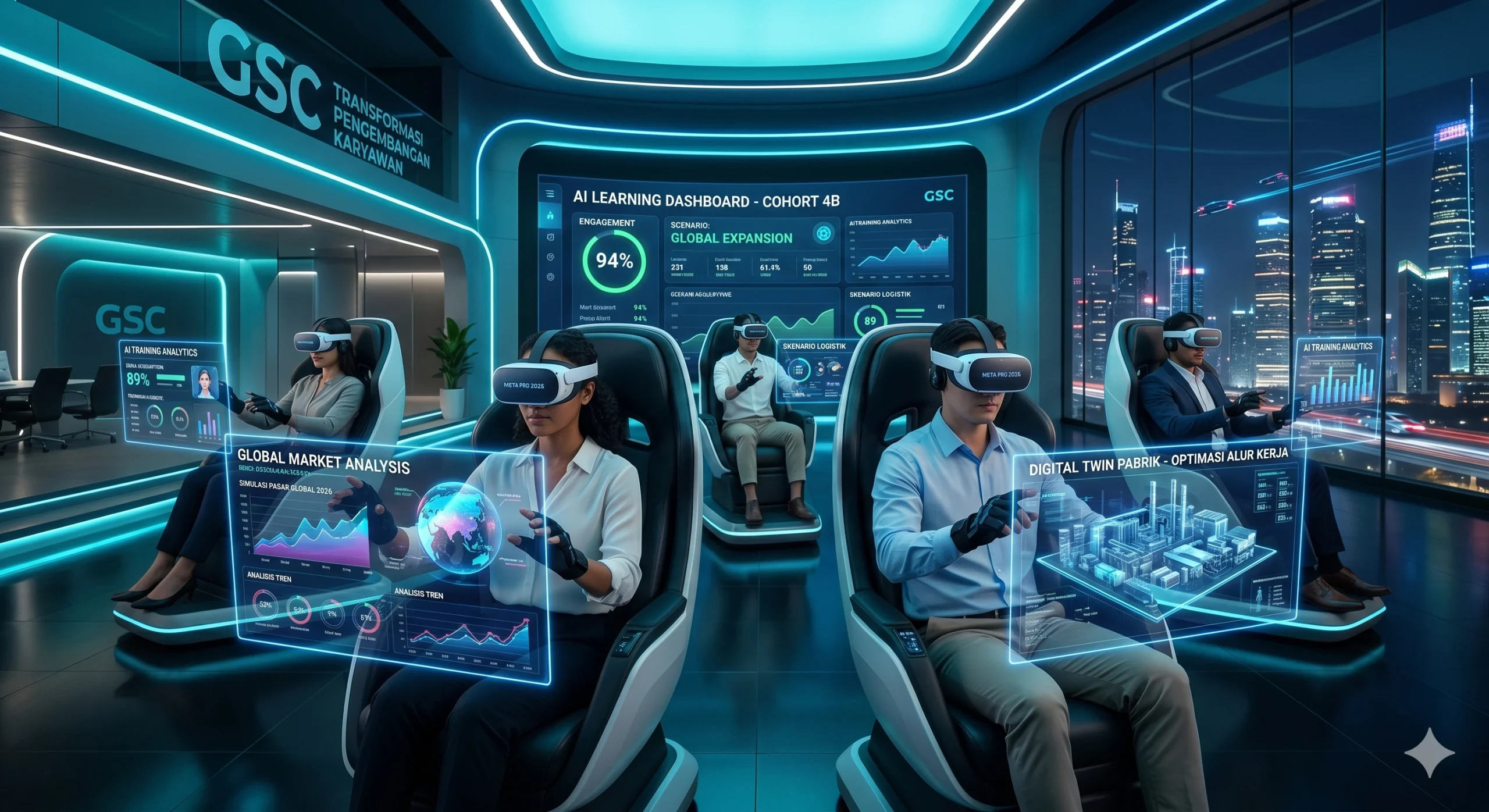
For example, in enterprise settings, employees interact with AI avatars that guide them through training scenarios or assist with complex tasks. These interactions feel conversational and human-like, increasing engagement and retention.
Intelligent Environments and Context Awareness
AI also enables immersive environments to respond dynamically to users. Virtual spaces adjust lighting, sound, and content based on behavior and context. This creates personalized experiences that adapt in real time.
Such intelligence is especially valuable in healthcare and education, where learning and therapy must respond to individual needs.
Extended Reality (XR) Ecosystem Expansion
XR serves as an umbrella term for VR, AR, and MR. In 2026, the XR ecosystem is more unified and interoperable than ever before.
Virtual Reality Advancements
VR hardware in 2026 is lighter, sharper, and more comfortable. Higher resolution displays reduce eye strain, while improved motion tracking creates smoother experiences. VR is widely used for training simulations, virtual tourism, and immersive storytelling.
Businesses favor VR for risk-free training environments, allowing employees to practice skills without real-world consequences.
Augmented Reality in Daily Life
AR has become part of daily routines. From navigation overlays to real-time translation, AR enhances the physical world rather than replacing it. In retail, customers visualize products in their homes before purchasing. In manufacturing, technicians receive step-by-step guidance through AR glasses.
Mixed Reality and Spatial Computing
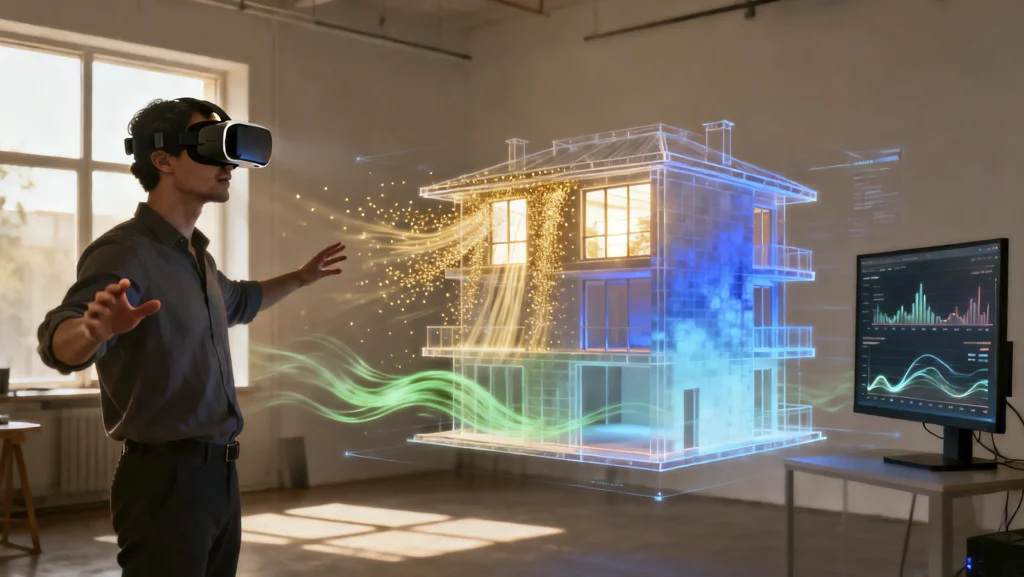
Mixed reality blends physical and digital objects in shared spaces. Spatial computing allows digital elements to understand and interact with real-world environments. This trend is transforming design, architecture, and collaborative work.
Immersive Technology in Business and Enterprise
Enterprises are among the biggest adopters of immersive technology in 2026.
Remote Collaboration and Virtual Workspaces
Virtual workspaces allow distributed teams to meet in shared 3D environments. Unlike video calls, these spaces support natural interaction, spatial audio, and collaborative tools. Employees feel more present and connected, improving productivity and teamwork.
Training, Simulation, and Skill Development
Immersive simulations provide hands-on training for high-risk or complex roles. From aviation to manufacturing, VR-based training reduces costs and improves safety. Learners retain information better because they actively participate rather than passively observe.
Healthcare Transformation Through Immersive Technology
Healthcare continues to benefit greatly from immersive technology trends 2026.
Medical Training and Surgery Simulation
Medical students and surgeons use immersive simulations to practice procedures. These environments replicate real anatomy and respond realistically to actions. This improves confidence and reduces errors in real-world surgeries.
Mental Health and Therapy Applications
VR therapy is widely used to treat anxiety, PTSD, and phobias. Patients safely confront fears in controlled environments. AR also supports physical rehabilitation by guiding patients through exercises and tracking progress.
Trusted organizations like the World Health Organization highlight the growing role of digital health technologies in improving care access and outcomes (https://www.who.int).
Immersive Technology Trends 2026 in Education
Education in 2026 is more experiential than ever. Immersive classrooms transport students to historical events, scientific simulations, or virtual laboratories. This approach improves understanding and motivation, especially for complex subjects.
Teachers use immersive tools to accommodate different learning styles. Visual and hands-on learners benefit greatly, while AI-driven analytics help educators track progress and personalize instruction.
Entertainment, Gaming, and the Metaverse Evolution
Entertainment remains a major driver of immersive innovation. Gaming worlds are richer, more social, and persistent. Players attend concerts, events, and social gatherings inside virtual spaces.
The metaverse in 2026 is less hype-driven and more practical. Instead of a single virtual world, it exists as interconnected platforms focused on specific experiences, from entertainment to professional networking.
Retail, Marketing, and Customer Experience Innovation
Brands use immersive technology to tell stories and build emotional connections. Virtual showrooms, AR product trials, and immersive ads allow customers to experience products before buying.
This approach reduces returns, increases confidence, and improves customer satisfaction. Marketing in 2026 is less about persuasion and more about participation.
Ethical, Privacy, and Security Considerations
As immersive platforms collect more data, concerns about privacy and ethics grow. Eye tracking, biometric data, and behavioral analytics must be handled responsibly. In 2026, regulations and ethical frameworks are evolving to protect users while encouraging innovation.
Transparency, consent, and data security are essential for building trust in immersive systems.
Challenges Limiting Mass Adoption
Despite progress, challenges remain. High-quality content creation requires time and expertise. Some users still experience motion discomfort. Interoperability between platforms is improving but not perfect.
Addressing these challenges is key to sustaining long-term growth.
FAQs About Immersive Technology Trends 2026
What are immersive technologies?
They include VR, AR, MR, and XR technologies that create interactive digital experiences.
Why are immersive technology trends 2026 important?
They show how immersive tools are becoming practical solutions across industries.
Which industries benefit the most?
Healthcare, education, enterprise training, retail, and entertainment see the biggest impact.
Is immersive technology expensive in 2026?
Costs have decreased significantly, making adoption more accessible.
How does AI improve immersive experiences?
AI enables personalization, intelligent avatars, and adaptive environments.
Will immersive technology replace traditional tools?
It complements existing tools rather than replacing them entirely.
Conclusion: The Future of Immersive Technology Beyond 2026
| Immersive Technology | Primary Use Cases in 2026 | Industries Impacted | Key Benefits | Real-World Impact Level |
|---|---|---|---|---|
| Virtual Reality (VR) | Training simulations, virtual collaboration, therapy, gaming | Healthcare, enterprise, aviation, education, entertainment | Risk-free training, higher engagement, improved retention | ⭐⭐⭐⭐⭐ Very High |
| Augmented Reality (AR) | Product visualization, navigation, remote assistance, maintenance | Retail, manufacturing, logistics, real estate | Real-time guidance, reduced errors, faster decision-making | ⭐⭐⭐⭐ High |
| Mixed Reality (MR) | Design collaboration, spatial planning, interactive prototyping | Architecture, engineering, construction, enterprise | Blends physical and digital objects, improves teamwork | ⭐⭐⭐⭐ High |
| Extended Reality (XR) | Unified VR, AR, MR platforms for scalable experiences | Education, corporate training, research | Cost efficiency, platform flexibility, scalability | ⭐⭐⭐⭐ High |
| Spatial Computing | Environment-aware digital interaction, 3D interfaces | Smart cities, enterprise, design, robotics | Context-aware experiences, natural interaction | ⭐⭐⭐⭐ High |
| AI-Powered Avatars | Virtual trainers, digital assistants, customer support | Business, healthcare, education, customer service | Personalization, 24/7 availability, human-like interaction | ⭐⭐⭐⭐ High |
| Immersive Learning Platforms | Virtual classrooms, labs, experiential learning | Schools, universities, corporate L&D | Better knowledge retention, inclusive learning | ⭐⭐⭐⭐⭐ Very High |
| VR Therapy & Rehabilitation | Mental health treatment, physical rehab, exposure therapy | Healthcare, wellness | Safe therapy environments, measurable progress | ⭐⭐⭐⭐⭐ Very High |
| Metaverse Platforms | Social interaction, events, virtual commerce | Entertainment, marketing, professional networking | Community building, new revenue models | ⭐⭐⭐ Medium–High |
| Immersive Retail Experiences | Virtual stores, AR try-ons, product demos | E-commerce, fashion, consumer goods | Reduced returns, higher conversion rates | ⭐⭐⭐⭐ High |
The momentum behind immersive technology trends 2026 shows no signs of slowing. As hardware becomes lighter, software becomes smarter, and experiences become more human-centered, immersive technology will continue reshaping how we interact with the digital world.
Beyond 2026, the focus will shift toward inclusivity, ethics, and long-term value. Immersive platforms are not just changing technology—they are redefining human connection, learning, and creativity in the digital age.
The rapid rise of immersive technology trends 2026 proves one thing clearly: organizations that act now will lead tomorrow. This is where CEBIRRA makes the difference.
CEBIRRA helps businesses, educators, and innovators turn immersive technology into real-world impact. From strategy and consulting to implementation and optimization, CEBIRRA delivers human-centered immersive solutions designed for growth, efficiency, and long-term value.
Whether you are exploring AR, VR, mixed reality, or AI-powered immersive experiences, CEBIRRA provides the expertise to move from ideas to execution with confidence.
👉 Ready to future-proof your organization?
Partner with CEBIRRA today and transform how you work, learn, and engage through immersive technology.
Visit CEBIRRA and start your immersive journey now.