Introduction
Virtual reality experiences are no longer futuristic concepts reserved for science fiction films. They are rapidly transforming the entertainment industry, redefining how audiences play, watch, interact, and connect. From hyper-immersive VR gaming worlds to virtual concerts attended by millions, entertainment is shifting from passive consumption to fully interactive digital participation.
What makes virtual reality experiences so powerful is their ability to create presence — the feeling of truly “being there.” Instead of watching a story unfold on a screen, users step inside the story. Instead of simply listening to music, they stand on a virtual stage surrounded by lights, visuals, and other fans. This shift is changing audience expectations across gaming, film, live events, theme parks, and branded entertainment activations.
The entertainment industry has always evolved alongside technology — from radio to television, from cinema to streaming platforms. Now, immersive technology is driving the next major transformation. Virtual reality experiences combine high-resolution visuals, spatial audio, motion tracking, and interactive storytelling to create environments that feel alive and responsive. As hardware becomes more accessible and content more sophisticated, VR is moving from niche innovation to mainstream entertainment infrastructure.
Businesses, event organizers, creative studios, and technology companies are increasingly investing in immersive ecosystems to stay competitive. Consumers no longer want to simply watch; they want to engage. They want emotion, immersion, and unforgettable moments. Virtual reality experiences deliver exactly that.
In this article, we will explore how virtual reality experiences are transforming entertainment — from gaming and live events to immersive venues and the future of digital interaction.
1. The Evolution of Virtual Reality in Entertainment
Virtual reality experiences did not emerge overnight. Their transformation of the entertainment industry is the result of decades of experimentation, technological breakthroughs, and shifting audience expectations. What once existed as bulky headsets and experimental lab prototypes has evolved into sleek consumer devices capable of delivering breathtaking immersive worlds. In the 1990s, early VR systems generated excitement but lacked the processing power and graphical fidelity needed for mass adoption. The hardware was expensive, motion tracking was limited, and user experiences often caused discomfort. Despite these challenges, the concept of immersive digital environments captured the imagination of developers, filmmakers, and futurists.
The real turning point came in the 2010s. Advances in graphics processing units (GPUs), motion sensors, and display technology allowed VR headsets to deliver smoother visuals and lower latency. Companies began launching consumer-ready devices, making virtual reality experiences accessible beyond research labs and tech expos. Suddenly, users could step into digital environments from their own homes.Simultaneously, content creation evolved. Game developers started building titles specifically designed for VR interaction rather than adapting traditional screen-based games. Filmmakers experimented with 360-degree storytelling. Live event organizers explored virtual attendance models. These innovations marked the beginning of VR’s integration into mainstream entertainment.
Another major milestone was the introduction of standalone VR systems. Without the need for high-end PCs or external sensors, users could experience immersive entertainment more conveniently. Wireless capabilities and improved ergonomics further reduced barriers to adoption, accelerating global interest.
Today, virtual reality experiences are no longer isolated experiments. They are integrated into gaming platforms, concert productions, sports broadcasts, museums, and theme parks. Major entertainment brands are investing in immersive content to differentiate themselves in an increasingly competitive digital landscape.
The evolution of VR is also closely linked to audience behavior. Modern consumers seek experiences rather than static content. Streaming platforms made entertainment on-demand; virtual reality makes it immersive and participatory. Instead of watching a battle scene, users fight in it. Instead of viewing a concert recording, they stand among the crowd.
This evolution demonstrates a clear shift: entertainment is moving from passive observation to active engagement. Virtual reality experiences are at the center of that transformation.
2. Virtual Reality in Gaming: The New Standard of Immersion
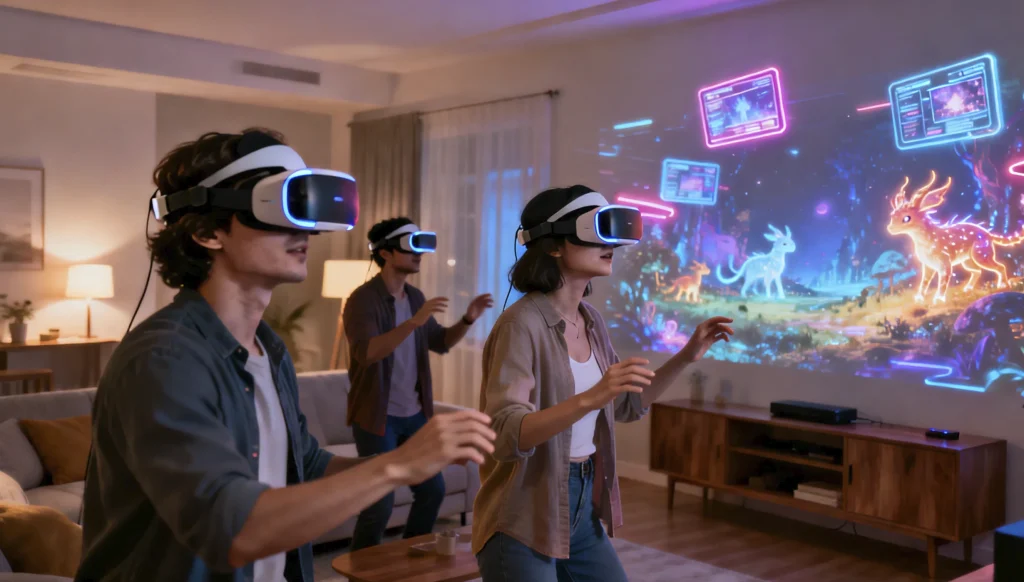
Gaming has become the driving force behind the rapid expansion of virtual reality experiences in entertainment. While VR technology touches many industries, it is gaming that has fully embraced immersive interaction as a core design philosophy. Unlike traditional console or PC gaming, where players observe action through a screen, VR gaming places users inside the digital world itself.
The key transformation lies in immersion and presence. With head tracking, motion controllers, spatial audio, and room-scale movement, players are no longer pressing buttons to control a character—they become the character. Looking around, ducking behind cover, physically aiming, and interacting with objects creates a psychological shift that dramatically enhances emotional engagement.
Storytelling has also evolved. Developers now design narratives around environmental interaction rather than cutscenes alone. Instead of watching a dramatic moment unfold, players experience it from a first-person perspective. Suspense feels more intense. Exploration feels more personal. Action feels more visceral. Virtual reality experiences amplify emotional impact by engaging both visual and physical senses.
Competitive gaming is adapting as well. Multiplayer VR titles allow players to see body language, gestures, and spatial positioning in real time. This makes social interaction more natural compared to voice chat in traditional online games. Social VR platforms are blurring the line between gaming and digital community spaces, creating entirely new entertainment ecosystems.
Hardware advancements further support this transformation. Improved refresh rates reduce motion sickness. Hand tracking eliminates the need for controllers in some applications. Haptic feedback adds tactile sensations, increasing realism. These technical improvements make VR gaming more comfortable and accessible, accelerating adoption among mainstream audiences.
Another major development is cross-platform integration. Many developers now design hybrid experiences that allow VR and non-VR players to interact within the same ecosystem. This expands reach while still delivering high-end immersion for VR users.
Ultimately, virtual reality experiences in gaming represent a shift from interactive media to embodied media. Players do not just control an avatar—they inhabit a digital identity. This level of immersion is redefining what audiences expect from entertainment technology.
Comparison Table: Traditional Gaming vs. Virtual Reality Gaming
| Feature | Traditional Gaming | Virtual Reality Gaming |
|---|---|---|
| Player Perspective | Screen-based (third/first person) | Fully immersive first-person presence |
| Interaction Method | Controller, keyboard, mouse | Motion tracking, hand controllers, body movement |
| Physical Engagement | Minimal | High (standing, moving, gesturing) |
| Emotional Immersion | Moderate | High due to presence and embodiment |
| Social Interaction | Voice/text chat | Real-time spatial interaction with avatars |
| Sensory Experience | Visual + audio | Visual + spatial audio + motion + haptics |
| Competitive Format | Online esports & LAN | VR esports arenas & immersive competitions |
| Storytelling Style | Cinematic cutscenes | Environmental, interactive storytelling |
3. VR in Film, Live Events, and Concerts
Virtual reality experiences are no longer limited to gaming. The film industry, live events, and music concerts are rapidly integrating immersive technology to redefine audience engagement. Entertainment is shifting from passive viewing to participatory immersion — and VR is at the center of that transformation.
VR in Film and Cinematic Storytelling
Traditional cinema places viewers in fixed seats, observing a story framed by a rectangular screen. Virtual reality removes that frame entirely. In VR films, viewers can look around in 360 degrees, explore environments, and sometimes influence narrative outcomes.
This evolution introduces a new storytelling grammar. Directors must now design scenes that guide attention without cutting frames. Sound design becomes spatial. Visual cues replace camera zooms. Instead of controlling what the audience sees, creators build worlds that audiences explore.
VR storytelling is particularly powerful for:
- Interactive documentaries
- Immersive journalism
- Horror experiences
- Educational simulations
- Experimental short films
Because viewers feel physically present inside the story, emotional impact increases significantly. Suspense feels immediate. Empathy becomes stronger. Engagement becomes active rather than observational.
Virtual Reality Concerts and Live Performances
One of the most transformative applications of virtual reality experiences is in music and live entertainment. VR concerts allow fans to attend events virtually from anywhere in the world. Instead of watching a livestream on a flat screen, users stand inside a digital venue surrounded by stage lighting, animated effects, and interactive elements.
Artists can create impossible stage designs — floating platforms, cosmic environments, surreal visuals — without physical limitations. This merges performance with digital art.
Benefits of VR concerts include:
- Global accessibility without travel
- Unlimited virtual venue capacity
- Interactive audience features
- Customizable camera perspectives
- New monetization models (virtual tickets, digital merchandise, NFT integrations)
Major entertainment brands are experimenting with hybrid models where physical concerts are enhanced by parallel virtual reality experiences. This expands audience reach while offering immersive upgrades for premium ticket holders.
VR for Sports and Live Event Broadcasting
Sports entertainment is also evolving. Virtual reality allows fans to experience events from courtside seats, pit lanes, or even inside the action itself. Instead of watching from broadcast camera angles, users choose their vantage points.
This shift is powerful because it transforms spectatorship into simulated participation. Imagine standing behind a goalkeeper during a penalty kick or sitting on stage during an awards ceremony. VR makes this possible.
Comparison Table: Traditional Events vs. VR-Enhanced Events
| Element | Traditional Event | VR-Enhanced Experience |
|---|---|---|
| Audience Reach | Limited by venue capacity | Global access |
| Viewing Angle | Fixed stage/camera view | 360-degree perspective |
| Interaction Level | Passive viewing | Interactive and immersive |
| Production Limits | Physical stage constraints | Unlimited digital environments |
| Revenue Streams | Ticket + sponsorship | Ticket + digital goods + immersive upgrades |
| Accessibility | Travel required | Accessible from home |
Virtual reality experiences are not replacing traditional entertainment — they are expanding it. By blending physical and digital layers, VR introduces a new category of immersive media that enhances accessibility, creativity, and audience engagement.
4. Location-Based VR and Immersive Entertainment Venues
While home-based virtual reality experiences continue to grow, one of the most exciting transformations in entertainment is happening outside the home. Location-based VR (LBVR) venues — including immersive theme parks, VR arcades, museums, and branded experience centers — are redefining how audiences interact with digital environments in physical spaces.
Unlike personal VR setups, location-based virtual reality experiences offer large-scale installations with advanced tracking systems, full-body haptics, motion platforms, and multi-user environments. These venues combine physical architecture with digital layers, creating hybrid realities that blur the boundary between the real and the virtual.
The Rise of VR Arcades and Immersive Centers
VR arcades have evolved far beyond simple headset rentals. Modern immersive entertainment venues provide:
- Free-roam multiplayer arenas
- Motion-simulated rides
- Escape-room style VR adventures
- Military and space simulations
- Interactive educational journeys
Free-roam VR allows participants to physically walk through mapped environments while seeing large-scale digital worlds through their headsets. This creates a powerful illusion of presence and movement, increasing emotional intensity and engagement.
For entertainment businesses, this model offers strong commercial advantages. Unlike home VR, location-based venues deliver premium experiences that justify higher ticket pricing. They also create social, shareable moments — which is critical in today’s experience-driven economy.
Theme Parks and Mixed-Reality Attractions
Major theme parks are integrating virtual reality experiences into rides and attractions. Roller coasters can now overlay digital storylines onto physical motion. Visitors might travel through space, dive underwater, or battle fantasy creatures while physically riding a track-based system.
This hybrid approach reduces infrastructure costs compared to building entirely new mechanical rides. Instead of redesigning physical architecture, operators can update digital content — extending attraction lifespan and reducing capital expenditure.
Museums and cultural institutions are also adopting immersive VR installations. Historical reconstructions, archaeological site recreations, and interactive storytelling exhibits allow visitors to step into past civilizations. This transforms learning into an emotionally engaging experience rather than static observation.
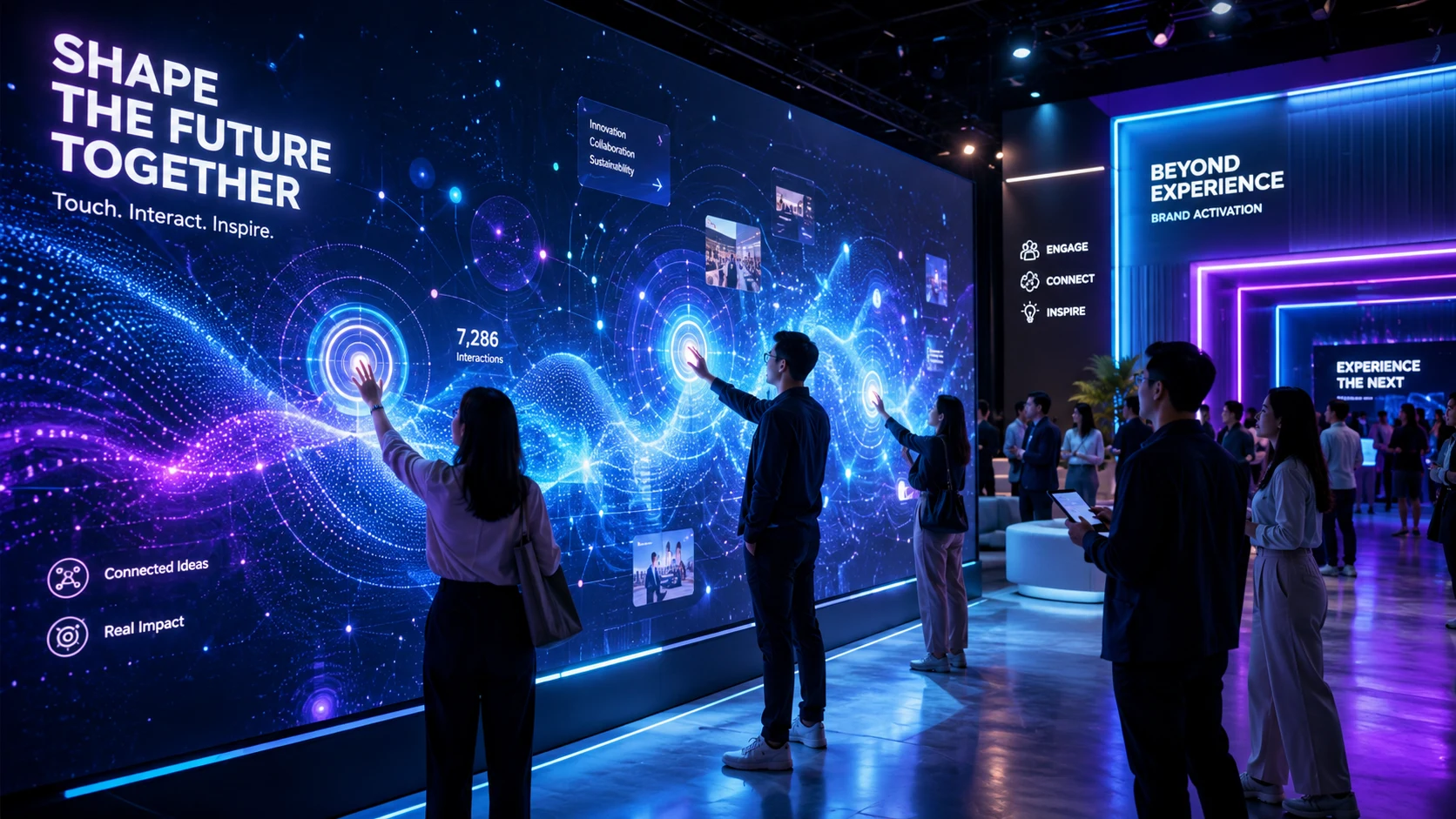
Brand Activations and Experiential Marketing
Brands are increasingly leveraging location-based virtual reality experiences for experiential marketing campaigns. Product launches, automotive showcases, real estate previews, and tourism promotions are now delivered through immersive storytelling.
For example:
- Automotive brands allow customers to test-drive vehicles in virtual environments.
- Property developers offer immersive walkthroughs of unbuilt projects.
- Tourism boards simulate destinations to inspire travel decisions.
These immersive installations increase dwell time, emotional engagement, and conversion potential compared to traditional marketing formats.
Comparison Table: Home VR vs. Location-Based VR
| Feature | Home VR Experience | Location-Based VR Experience |
|---|---|---|
| Equipment Quality | Consumer-grade | Enterprise-grade |
| Movement Range | Limited room space | Large free-roam arenas |
| Social Interaction | Online multiplayer | Physical group participation |
| Ticket Price | One-time device purchase | Per-session premium pricing |
| Experience Scale | Personal | Large-scale immersive |
| Business Model | Hardware & game sales | Ticketing + events + brand partnerships |
Location-based virtual reality experiences are expanding entertainment beyond screens and into physical space. They create memorable, shareable moments that combine social interaction, technology, and storytelling. As urban entertainment districts, malls, and tourism hubs look for differentiation, immersive venues are becoming strategic assets.
5. The Future of Virtual Reality Experiences in Entertainment
The transformation driven by virtual reality experiences is only beginning. As hardware becomes lighter, more affordable, and more powerful, the next wave of innovation will focus on deeper immersion, smarter environments, and seamless integration with other emerging technologies.
The future of entertainment will not simply be watched — it will be lived.
AI-Powered Immersive Worlds
Artificial intelligence is set to dramatically enhance virtual reality experiences. Instead of static environments or scripted non-playable characters (NPCs), AI will enable dynamic storytelling. Virtual characters will respond intelligently to user behavior, conversations will feel natural, and storylines will adapt in real time.
Imagine attending a virtual concert where the environment changes based on audience energy. Or playing a narrative-driven VR game where characters remember your previous decisions and alter their reactions accordingly. AI transforms VR from a programmed experience into a living ecosystem.
Advanced Haptics and Sensory Feedback
Future VR systems will go beyond sight and sound. Haptic gloves, full-body suits, and advanced vibration systems will simulate touch, texture, resistance, and environmental effects.
This sensory expansion will impact:
- Action and adventure gaming
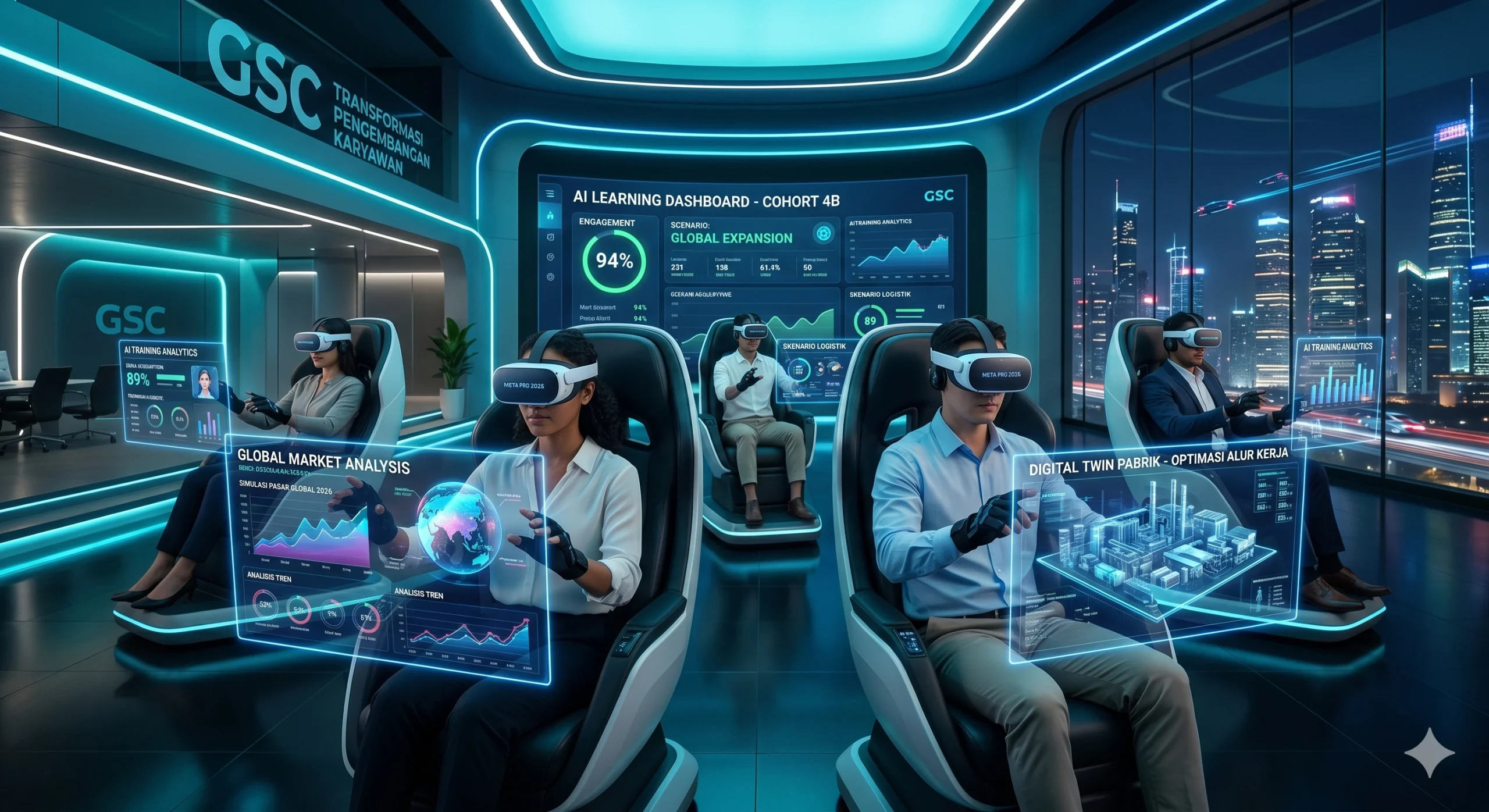
- Immersive training simulations
- Virtual tourism
- Live event experiences
- Interactive storytelling
As sensory realism increases, the psychological boundary between digital and physical environments will continue to blur.
Social VR and the Rise of the Metaverse
Entertainment is inherently social. The next generation of virtual reality experiences will prioritize shared digital spaces where users interact through realistic avatars.
Social VR platforms are evolving into virtual entertainment hubs where users can:
- Attend concerts with friends
- Watch films in virtual cinemas
- Participate in esports tournaments
- Explore immersive theme worlds together
This shift merges gaming, social networking, and live entertainment into unified digital ecosystems.
Mixed Reality and Hybrid Entertainment
The future will not be limited to fully immersive headsets. Mixed reality (MR) and augmented reality (AR) technologies will merge digital layers with physical environments. Live concerts may combine physical performers with holographic visuals visible through headsets. Sports arenas may overlay real-time data and immersive graphics.
Hybrid events will allow physical and virtual audiences to coexist simultaneously, expanding monetization and engagement opportunities.
Market Trends and Growth Outlook
The entertainment industry is positioning immersive technology as a long-term strategic investment. As consumer comfort with VR increases and 5G/6G networks reduce latency, cloud-powered VR streaming will become more common.
Below is a simplified outlook of technological evolution:
| Trend | Impact on Virtual Reality Experiences |
|---|---|
| AI Integration | Adaptive storytelling and intelligent environments |
| Haptic Technology | Multi-sensory immersion |
| 5G/6G Connectivity | Low-latency cloud VR streaming |
| Lightweight Headsets | Increased consumer adoption |
| Social VR Platforms | Digital community-driven entertainment |
| Enterprise Adoption | Branded immersive ecosystem |
The future of virtual reality experiences in entertainment is not about replacing traditional media. It is about expanding the possibilities of human engagement. Entertainment will become participatory, interactive, and emotionally immersive at levels previously impossible.
The question is no longer whether VR will transform entertainment — it is how quickly industries will adapt.
6. Frequently Asked Questions (FAQ) About Virtual Reality Experiences
1. What are virtual reality experiences?
Virtual reality experiences are immersive digital environments that users can explore and interact with using VR headsets and motion-tracking devices. Unlike traditional media, VR places users inside a simulated world, allowing them to look around, move, and engage with objects or characters in real time.
2. How are virtual reality experiences transforming entertainment?
Virtual reality experiences are transforming entertainment by shifting audiences from passive viewers to active participants. This increased immersion enhances emotional engagement and creates memorable interactions.
3. Do you need expensive equipment to enjoy VR entertainment?
Not necessarily. While high-end VR systems offer advanced graphics and tracking, many standalone VR headsets are affordable and do not require powerful PCs. Location-based VR venues also provide premium experiences without requiring users to own equipment.
4. Are virtual reality experiences safe?
Modern VR systems are designed with safety guidelines and motion-tracking boundaries to prevent accidents. Most users can safely enjoy VR when following usage recommendations. However, individuals prone to motion sensitivity should start with shorter sessions.
5. Can virtual reality replace traditional entertainment?
Virtual reality experiences are not meant to replace traditional entertainment but to enhance and expand it. Hybrid formats that combine physical and digital elements are becoming more common, offering audiences more choice and flexibility.
6. What industries benefit most from VR entertainment?
Industries benefiting from immersive virtual reality experiences include:
- Gaming
- Film and media production
- Music and live events
- Theme parks and attractions
- Museums and cultural institutions
- Brand experiential marketing
7. What is the future of virtual reality experiences?
The future includes AI-powered interactive storytelling, advanced haptic feedback, social VR platforms, and cloud-based immersive environments. As technology improves, VR will become more accessible, more realistic, and more socially connected.