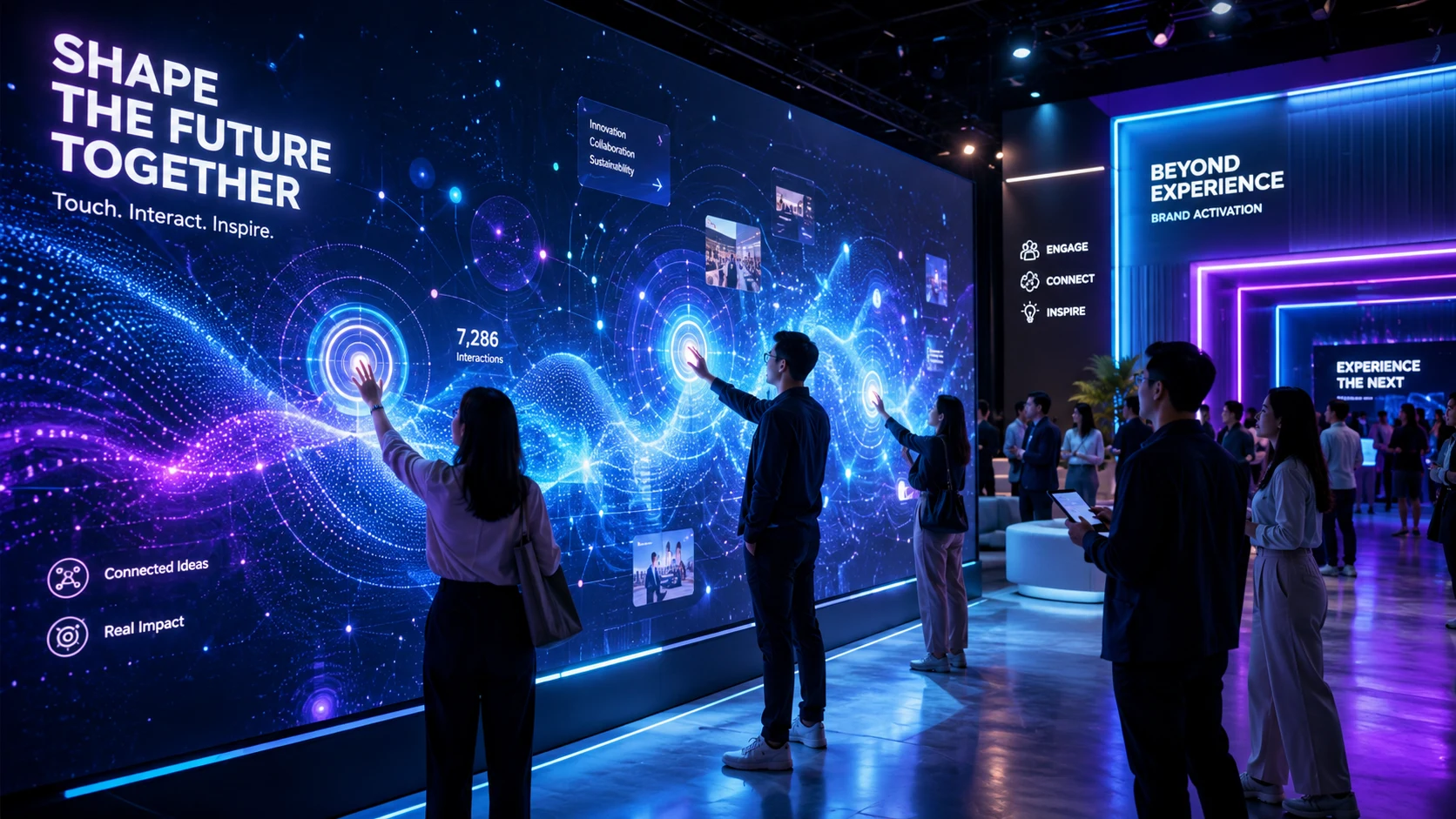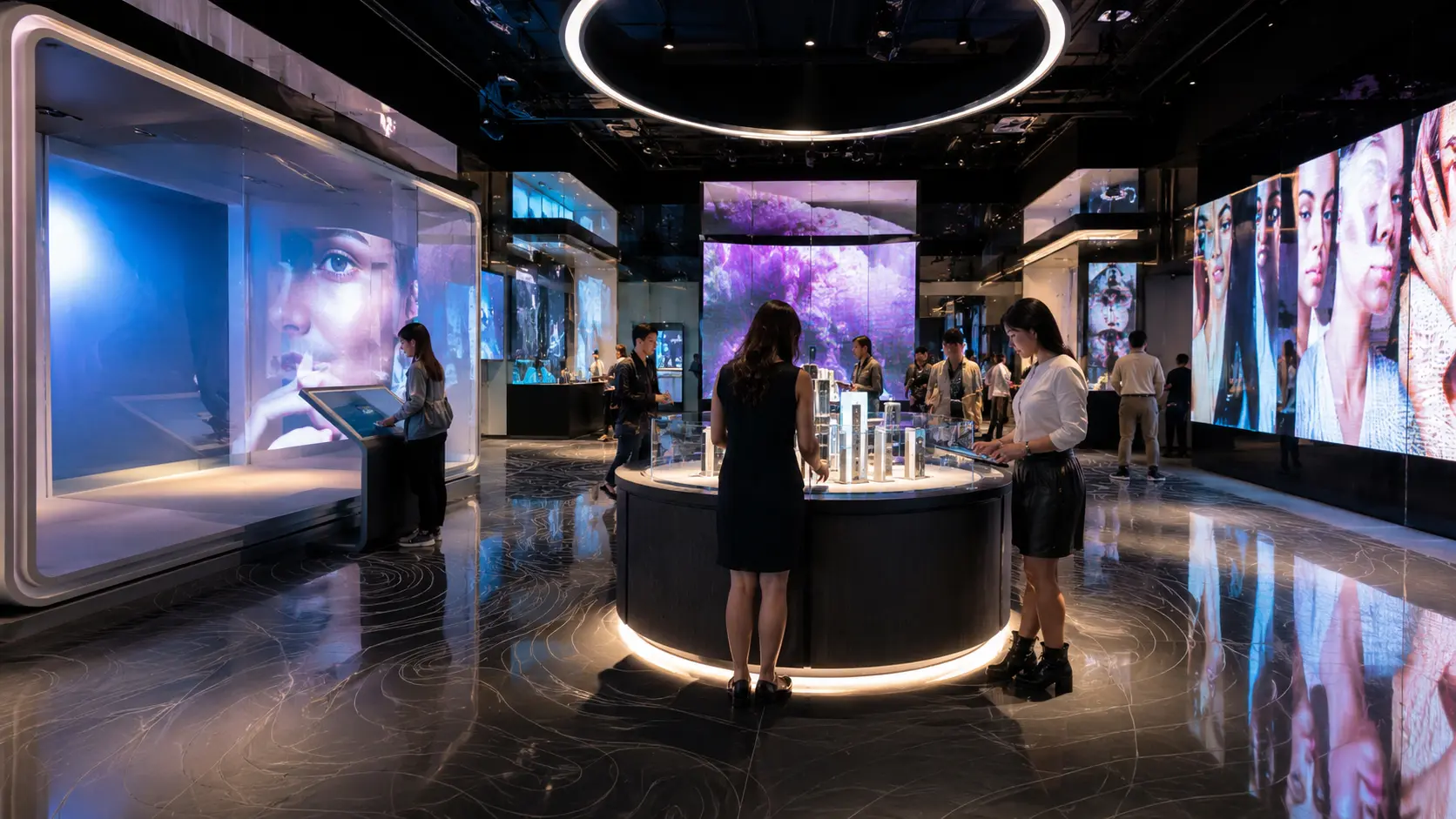
Pop up shops have evolved far beyond temporary retail spaces. Today, brands are transforming these environments into immersive experiences that captivate audiences, encourage interaction, and create lasting emotional connections. As consumers increasingly seek memorable experiences rather than traditional transactions, pop up shop immersive design has become a powerful strategy for standing out in a competitive marketplace.
By combining creative storytelling, interactive technology, engaging visual elements, and carefully designed customer journeys, immersive pop up shops turn brand activations into destinations that people want to explore, photograph, and share. Whether launching a new product, promoting a campaign, or building brand awareness, an immersive environment can generate deeper engagement and stronger customer loyalty than conventional marketing approaches.
In this guide, we’ll explore what pop up shop immersive design is, why brands are investing in these experiences, the essential elements that make them successful, and how the right design approach can transform temporary spaces into unforgettable brand destinations.
What Is Pop Up Shop Immersive Design?
Pop up shop immersive design is the practice of creating temporary retail or brand activation environments that fully engage visitors through interactive experiences, storytelling, technology, and sensory design. Unlike traditional pop up stores that focus primarily on displaying products, immersive pop up shops encourage customers to actively participate in the brand experience.
Today’s consumers expect more than shelves and promotional displays. They want experiences that entertain, educate, inspire, and create emotional connections. As a result, brands are increasingly investing in immersive retail experiences that blend physical and digital elements to create memorable customer journeys.
Defining Immersive Retail Experiences
An immersive retail experience places customers at the center of the interaction. Instead of simply observing products, visitors become part of the story. Through interactive installations, projection mapping, digital content, augmented reality, and experiential design, customers can explore a brand in a way that feels personal and engaging.
Immersive design transforms a temporary retail space into an experience-driven environment where every touchpoint contributes to a larger narrative. Lighting, sound, visuals, technology, and spatial design work together to guide visitors through a carefully curated journey.
For example, a beauty brand launching a new skincare line might create an interactive environment where visitors explore different skin-care zones, engage with digital mirrors, participate in personalized consultations, and share their experiences on social media. The result is a deeper connection between the customer and the brand.
How Immersive Pop Up Shops Differ from Traditional Retail
Traditional retail environments are primarily focused on product presentation and transactions. While effective for showcasing merchandise, they often lack the engagement needed to create memorable brand experiences.
Immersive pop up shops shift the focus from selling products to creating meaningful interactions. The goal is to build emotional engagement that naturally encourages product discovery and purchase.
| Traditional Pop-Up Shop | Immersive Pop-Up Shop |
|---|---|
| Product-focused displays | Experience-focused environments |
| Passive customer browsing | Active customer participation |
| Standard visual merchandising | Interactive storytelling |
| Limited social sharing opportunities | Highly shareable experiences |
| Transaction-driven | Engagement-driven |
| Static layouts | Dynamic interactive spaces |
| Short customer dwell time | Extended visitor engagement |
By encouraging participation rather than observation, immersive pop up shops create stronger emotional responses and higher levels of customer involvement.
Why Customer Experience Matters More Than Ever
Modern consumers are exposed to thousands of marketing messages every day. As competition for attention increases, brands must find new ways to create meaningful connections with their audiences.
Customer experience has become a key differentiator across industries. People are more likely to remember brands that provide unique and engaging experiences than brands that rely solely on traditional advertising.
Immersive pop up shop design helps brands achieve several important objectives:
- Capture attention in crowded markets
- Increase customer engagement
- Generate social media content and user-generated content
- Improve brand recall
- Create memorable product launch experiences
- Encourage longer visitor dwell times
- Build stronger emotional connections
- Differentiate from competitors
When designed effectively, immersive experiences become powerful marketing assets that continue generating value long after the event has ended.
The Growing Role of Technology in Immersive Design
Technology plays an increasingly important role in modern pop up shop immersive design. Interactive touchscreens, motion sensors, LED installations, augmented reality, virtual reality, and AI-powered experiences enable brands to create deeper levels of engagement.
However, successful immersive experiences are not driven by technology alone. The most effective activations combine technology with storytelling, creativity, and strategic design. Technology should enhance the customer journey rather than distract from it.
The goal is to create an environment where visitors naturally interact with the brand while enjoying an experience that feels authentic, entertaining, and memorable.
As brands continue searching for innovative ways to engage audiences, immersive pop up shops are becoming an essential component of experiential marketing strategies. They offer a unique opportunity to transform temporary retail spaces into destinations that inspire interaction, conversation, and lasting brand loyalty.
Why Brands Invest in Immersive Pop Up Shop Experiences
As consumer expectations continue to evolve, brands are moving beyond traditional marketing tactics and embracing experience-driven strategies that create lasting impressions. Pop-up shop immersive design has emerged as one of the most effective ways to capture attention, engage audiences, and build meaningful relationships with customers.
Unlike conventional retail activations, immersive pop up shops combine storytelling, technology, and experiential design to create memorable moments that resonate long after visitors leave the space. These experiences help brands stand out in competitive markets while generating measurable business results.
Increasing Customer Engagement
One of the primary reasons brands invest in immersive pop up shop experiences is the ability to create higher levels of customer engagement.
Traditional retail environments often encourage passive browsing, where customers simply walk through displays and observe products. Immersive experiences, on the other hand, invite visitors to actively participate in the brand journey.
Interactive touchpoints such as digital installations, gamification, motion-activated displays, augmented reality experiences, and personalized interactions encourage customers to spend more time exploring the environment.
When visitors become active participants rather than passive observers, they develop stronger emotional connections with the brand. This increased engagement often translates into higher purchase intent and greater brand loyalty.
Brands that successfully engage audiences through immersive experiences are more likely to leave a lasting impression and encourage repeat interactions in the future.
Boosting Social Media Visibility
In today’s digital-first landscape, social media plays a crucial role in amplifying brand awareness. Immersive pop up shops are specifically designed to create highly shareable moments that encourage visitors to generate content and share their experiences online.
From visually striking installations and interactive LED walls to immersive projection mapping and branded photo opportunities, every element can be designed with social sharing in mind.
When customers post photos, videos, and stories from an immersive pop up experience, they effectively become brand advocates. This user-generated content extends the reach of the activation far beyond the physical location.
The benefits of social amplification include:
- Increased organic brand exposure
- Expanded audience reach
- Higher engagement rates
- Enhanced credibility through peer recommendations
- Additional marketing value without significant advertising costs
A well-designed immersive pop up shop can generate thousands of social impressions, helping brands maximize the return on their experiential marketing investment.
Strengthening Brand Recall
Consumers encounter countless advertisements every day, making it increasingly difficult for brands to remain memorable.
Experiential marketing addresses this challenge by creating emotional and sensory experiences that people are more likely to remember.
Research consistently shows that experiences are more memorable than traditional advertisements because they involve active participation and emotional engagement.
Through immersive design, brands can communicate their values, personality, and story in a way that feels authentic and impactful.
For example, a sustainable fashion brand may create an immersive environment that showcases its environmental initiatives through interactive storytelling, digital displays, and experiential exhibits. Rather than simply telling customers about sustainability, the brand allows visitors to experience its mission firsthand.
This deeper level of engagement significantly improves brand recall and helps customers remember the brand long after the event concludes.
Driving Product Discovery and Sales
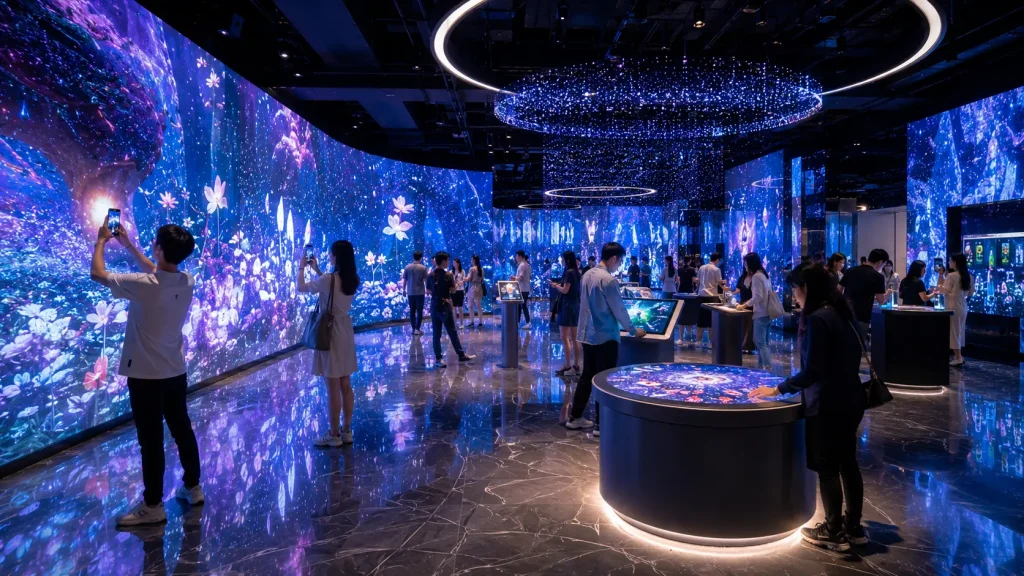
While immersive pop up shops prioritize experience, they also play an important role in supporting business objectives such as product awareness and sales.
Interactive environments encourage visitors to explore products naturally within the context of the experience.
Instead of using aggressive sales tactics, brands can guide customers through a journey that highlights product benefits, demonstrates functionality, and creates emotional connections.
This approach is particularly effective for:
- Product launches
- Limited-edition collections
- New technology demonstrations
- Automotive experiences
- Beauty and skincare activations
- Lifestyle and luxury brand campaigns
When customers feel emotionally connected to a product or brand, they are more likely to make purchasing decisions and recommend the experience to others.
Generating Valuable Consumer Insights
Another significant advantage of immersive pop up shop experiences is the ability to collect valuable customer data and insights.
Interactive technologies can provide information about visitor behavior, engagement patterns, dwell time, content preferences, and customer interests.
These insights help brands better understand their target audiences and optimize future marketing campaigns.
Data-driven experiential marketing enables brands to:
- Measure campaign effectiveness
- Identify high-performing experiences
- Understand customer preferences
- Improve future activations
- Personalize customer interactions
The combination of engagement and analytics makes immersive pop up shops a powerful tool for both brand building and strategic decision-making.
Business Benefits of Immersive Pop-Up Shops
| Business Objective | How Immersive Design Supports It |
|---|---|
| Customer Engagement | Encourages active participation and interaction |
| Brand Awareness | Creates memorable experiences that stand out |
| Social Media Reach | Generates shareable content and user-generated media |
| Product Discovery | Allows visitors to explore products naturally |
| Brand Recall | Strengthens memory through emotional experiences |
| Customer Loyalty | Builds deeper emotional connections |
| Lead Generation | Captures customer information through interactions |
| Data Collection | Provides insights into visitor behavior |
| Event Attendance | Attracts audiences with unique experiences |
| Sales Conversion | Supports purchasing decisions through engagement |
Creating Competitive Differentiation
As experiential marketing becomes increasingly important, brands that invest in immersive pop up shop design gain a competitive advantage over those relying solely on traditional marketing methods.
Consumers are drawn to experiences that feel unique, personalized, and memorable. By combining creative storytelling, innovative technology, and thoughtful spatial design, brands can create environments that leave a lasting impression while achieving measurable business outcomes.
Whether the goal is launching a new product, increasing brand awareness, generating social engagement, or strengthening customer relationships, immersive pop up shops provide a powerful platform for delivering experiences that truly connect with audiences.
Key Elements of Successful Pop Up Shop Immersive Design
Creating a successful immersive pop up shop requires more than attractive visuals and temporary retail fixtures. The most effective experiences combine storytelling, technology, spatial design, and customer engagement strategies into a cohesive journey that reflects the brand’s identity and objectives.
Whether the goal is launching a product, increasing brand awareness, generating leads, or encouraging social sharing, every element of the environment should contribute to a memorable customer experience. When these components work together, a pop up shop becomes more than a temporary space—it becomes a destination that inspires interaction and conversation.
Interactive Technology Integration
Technology is often the foundation of modern immersive experiences. It enables brands to create dynamic environments that respond to visitor actions and encourage participation.
Interactive technology can take many forms depending on the campaign objectives. Some brands use touchscreens and digital kiosks to provide product information, while others incorporate motion sensors, projection mapping, augmented reality (AR), virtual reality (VR), or AI-powered experiences to create deeper engagement.
Examples of interactive technology include:
- Interactive LED walls
- Motion-responsive displays
- Touchscreen product explorers
- Augmented reality product demonstrations
- Virtual reality brand experiences
- AI-powered personalization systems
- Gesture-controlled installations
- Digital gamification experiences
The key is ensuring that technology enhances the brand story rather than becoming a distraction. Visitors should feel naturally drawn into the experience without being overwhelmed by technical features.
Storytelling Through Space Design
Every successful immersive pop up shop tells a story.
Rather than presenting products in isolation, immersive design creates a narrative that guides visitors through a carefully planned journey. Each area of the space serves a purpose, helping customers understand the brand’s values, products, and mission.
Storytelling can be expressed through:
- Environmental graphics
- Scenic design
- Digital content
- Lighting and atmosphere
- Product displays
- Interactive touchpoints
- Audio experiences
For example, a travel brand may create an immersive environment that simulates different destinations around the world. Visitors move from one themed zone to another, experiencing the brand’s offerings through interactive storytelling rather than traditional promotional materials.
When customers become part of the narrative, they form stronger emotional connections with the brand.
Multi-Sensory Experiences
One of the defining characteristics of immersive design is its ability to engage multiple senses simultaneously.
Traditional retail environments typically focus on visual merchandising. Immersive experiences expand beyond sight to include sound, touch, scent, and even environmental effects.
Multi-sensory design can include:
- Dynamic lighting systems
- Spatial audio experiences
- Branded scents
- Interactive surfaces
- Environmental effects such as fog or airflow
- Tactile product demonstrations
Engaging multiple senses creates a richer and more memorable experience. It also helps reinforce brand messaging by making interactions feel more realistic and emotionally impactful.
For example, a beverage brand might incorporate aroma diffusion, ambient soundscapes, and interactive tasting stations to create a fully immersive environment that reflects the product’s identity.
Personalized Customer Journeys
Modern consumers expect personalized experiences that feel relevant to their interests and preferences.
Immersive pop up shops can incorporate personalization through digital technologies, customer data, and adaptive content. By tailoring interactions to individual visitors, brands can create stronger engagement and improve overall satisfaction.
Personalization strategies may include:
- Customized product recommendations
- Interactive quizzes
- Personalized digital content
- RFID-enabled experiences
- AI-driven customer interactions
- Dynamic content displays
A personalized journey makes visitors feel valued and encourages deeper exploration of the space.
In addition to improving engagement, personalization can provide valuable insights into customer behavior, helping brands optimize future campaigns and experiences.
Shareable Moments and Content Creation
One of the most powerful outcomes of immersive pop up shop design is the creation of shareable experiences.
Consumers increasingly enjoy documenting and sharing unique experiences across social media platforms. Brands can leverage this behavior by designing environments that naturally encourage content creation.
Popular social-sharing elements include:
- Interactive photo opportunities
- Branded installations
- Immersive projection rooms
- Digital art displays
- LED tunnels
- Interactive mirrors
- Gamified experiences
- User-generated content stations
These elements not only enhance the visitor experience but also extend the campaign’s reach through organic social media exposure.
When people share photos and videos from a pop up shop, they effectively become brand ambassadors, helping increase visibility and awareness among their networks.
Seamless Customer Flow and Spatial Planning
Even the most visually impressive pop up shop can fail if the customer journey feels confusing or overcrowded.
Successful immersive design requires thoughtful spatial planning that guides visitors naturally through the experience.
Important considerations include:
- Entrance impact zones
- Traffic flow management
- Interactive engagement areas
- Product exploration spaces
- Social sharing locations
- Checkout or lead capture points
- Exit experiences
A well-designed layout ensures that visitors can fully engage with the experience while maintaining comfort and accessibility.
Strategic spatial planning also helps maximize dwell time and encourages visitors to interact with multiple touchpoints throughout the environment.
Essential Components of Immersive Design
| Component | Purpose | Customer Impact |
|---|---|---|
| Interactive Technology | Drives participation and engagement | Increased interaction |
| Storytelling Design | Communicates brand narrative | Stronger emotional connection |
| Multi-Sensory Elements | Engages multiple senses | Improved memorability |
| Personalization | Creates relevant experiences | Higher customer satisfaction |
| Social Sharing Features | Encourages content creation | Expanded brand reach |
| Spatial Planning | Guides customer journeys | Better visitor experience |
| Lighting Design | Creates atmosphere and focus | Enhanced immersion |
| Digital Content | Delivers dynamic storytelling | Increased engagement |
| Gamification | Encourages participation | Longer dwell time |
| Data Collection Tools | Captures visitor insights | Better campaign optimization |
Bringing All Elements Together
The most successful pop up shop immersive design projects do not rely on a single feature or technology. Instead, they combine multiple elements into a unified experience that aligns with the brand’s objectives and audience expectations.
Interactive technology attracts attention, storytelling builds emotional connections, sensory design deepens engagement, and personalization makes the experience meaningful. Together, these elements transform temporary retail environments into memorable brand destinations that inspire participation, conversation, and loyalty.
As brands continue competing for consumer attention, immersive design will remain a critical strategy for creating experiences that stand out, drive engagement, and deliver measurable marketing results.
Our Pop Up Shop Immersive Design Process
Creating a successful immersive pop up shop requires much more than creative ideas. It demands strategic planning, audience understanding, technical expertise, and flawless execution. At Cebirra, we approach every project as a unique opportunity to transform a brand story into an interactive experience that captures attention and drives meaningful engagement.
Our pop up shop immersive design process combines creativity, technology, and experiential marketing expertise to ensure every activation delivers measurable results. From initial concept development to final installation and performance evaluation, every stage is carefully planned to maximize visitor impact and brand value.
Discovery and Brand Strategy
Every successful immersive experience begins with a deep understanding of the brand, its objectives, and its target audience.
During the discovery phase, we work closely with stakeholders to identify campaign goals, key messages, customer profiles, event requirements, and desired outcomes. This foundational research helps ensure that every design decision aligns with broader marketing and business objectives.
Key activities during this phase include:
- Brand analysis
- Audience research
- Competitor benchmarking
- Campaign objective definition
- Venue assessment
- Experience strategy development
- KPI planning
Understanding the audience is particularly important because immersive experiences are most effective when they are designed around visitor behaviors, expectations, and motivations.
Whether the goal is increasing brand awareness, launching a new product, generating leads, or driving social engagement, a clear strategy provides the roadmap for success.
Concept Development
Once the strategic foundation is established, our creative team begins developing concepts that bring the brand story to life.
This stage focuses on transforming ideas into immersive experiences that resonate with audiences while supporting campaign objectives.
The concept development process includes:
- Creative brainstorming
- Experience mapping
- Storytelling development
- Visitor journey planning
- Interactive feature ideation
- Mood board creation
- Initial visual direction
Rather than designing isolated attractions, we create complete customer journeys where every interaction contributes to a larger narrative.
For example, a product launch activation may guide visitors through multiple immersive zones, each revealing different aspects of the product through interactive storytelling and engaging experiences.
The result is a cohesive environment that encourages exploration, participation, and emotional connection.
Design and Technology Planning
After the concept is approved, we move into detailed design and technical planning.
At this stage, creative ideas are translated into practical solutions that can be fabricated, installed, and operated effectively.
Key deliverables often include:
- 3D visualizations
- Floor plans
- Visitor flow diagrams
- Scenic design concepts
- Lighting design plans
- Technology integration strategies
- Interactive content specifications
- Technical infrastructure planning
Technology selection plays an important role in immersive pop up shop design. Depending on the campaign requirements, we may incorporate:
- Interactive LED displays
- Projection mapping
- Touchscreen experiences
- Augmented reality (AR)
- Virtual reality (VR)
- Motion tracking systems
- Sensor-based interactions
- AI-powered engagement tools
The goal is not simply to use technology for its own sake, but to enhance storytelling and create meaningful interactions that strengthen the customer experience.
Fabrication, Installation, and Execution
Once the designs are finalized, production begins.
Our team coordinates all aspects of fabrication, logistics, installation, testing, and operational readiness to ensure the experience is delivered exactly as envisioned.
This phase typically includes:
- Scenic fabrication
- Custom structure production
- Graphic printing
- Technology deployment
- Hardware installation
- Software integration
- Content programming
- System testing
Attention to detail is critical during execution. Every interactive component, lighting sequence, digital display, and environmental element must function seamlessly to create a polished visitor experience.
Before launch, extensive testing is conducted to ensure reliability, safety, and performance.
This allows brands to welcome visitors with confidence and deliver a consistent experience throughout the activation period.
Experience Management and On-Site Support
The visitor experience does not end once the installation is complete.
Many immersive activations require ongoing support to maintain performance and ensure smooth operation.
Our on-site support services may include:
- Technical supervision
- Experience ambassadors
- Content management
- System monitoring
- Troubleshooting
- Visitor engagement support
- Operational coordination
Having dedicated support teams helps ensure that interactive experiences remain fully functional and continue delivering value throughout the event.
This proactive approach minimizes downtime and maximizes audience engagement.
Performance Measurement and Optimization
One of the greatest advantages of immersive marketing experiences is the ability to measure engagement and collect valuable data.
After launch, we evaluate performance against predefined objectives and KPIs to assess campaign effectiveness.
Metrics may include:
- Visitor attendance
- Dwell time
- Interaction rates
- Lead generation
- Social media engagement
- Content shares
- Product interactions
- Conversion performance
By analyzing these insights, brands gain a clearer understanding of customer behavior and campaign impact.
These learnings can then be applied to future activations, improving effectiveness and return on investment over time.
End-to-End Pop Up Shop Immersive Design Workflow
| Project Stage | Key Activities | Primary Outcome |
|---|---|---|
| Discovery & Strategy | Research, audience analysis, objective planning | Strategic foundation |
| Concept Development | Storytelling, creative ideation, experience mapping | Experience concept |
| Design Planning | 3D design, layouts, technical specifications | Detailed design package |
| Technology Integration | Interactive systems, digital content, infrastructure | Immersive functionality |
| Fabrication & Production | Construction, printing, manufacturing | Physical experience assets |
| Installation & Testing | Setup, programming, quality assurance | Launch-ready environment |
| Experience Management | Operations, support, visitor engagement | Smooth execution |
| Measurement & Optimization | Analytics, reporting, performance review | Actionable insights |
Why a Structured Process Matters
The success of an immersive pop up shop depends on how effectively strategy, creativity, technology, and execution work together. A structured design process ensures that every element supports the brand story while delivering a seamless and memorable visitor experience.
At Cebirra, our multidisciplinary approach allows us to create immersive environments that not only attract attention but also generate measurable business results. By combining experiential design, interactive technology, and strategic thinking, we help brands transform temporary spaces into impactful experiences that engage audiences and strengthen brand connections.
Choosing the Right Immersive Design Partner for Your Pop Up Shop
The success of an immersive pop up shop depends not only on creative ideas and innovative technology but also on selecting the right design partner. A skilled immersive design agency can transform a temporary retail space into an unforgettable brand experience that generates engagement, social visibility, and measurable business results.
With the growing popularity of experiential marketing, many agencies now offer pop up activation services. However, not all partners possess the expertise required to successfully combine storytelling, technology, design, and execution into a cohesive customer journey.
Choosing the right immersive design partner is one of the most important decisions a brand can make when planning a pop up shop activation.
Industry Experience Matters
One of the first factors to consider is the agency’s experience in experiential marketing and immersive design.
Creating an immersive pop up shop requires a unique blend of skills that go beyond traditional event management or retail design. The agency should understand how to create experiences that capture attention, encourage participation, and align with brand objectives.
When evaluating potential partners, consider whether they have experience with:
- Brand activations
- Product launches
- Experiential marketing campaigns
- Interactive installations
- Retail experiences
- Exhibition and trade show environments
- Technology-driven activations
- Consumer engagement campaigns
A proven portfolio demonstrates the agency’s ability to deliver creative solutions while managing the logistical and technical complexities of immersive experiences.
The more relevant experience an agency has, the more effectively they can anticipate challenges and create impactful customer journeys.
Creative and Technical Expertise
Immersive experiences sit at the intersection of creativity and technology.
A successful design partner should have both creative strategists and technical specialists working together to develop engaging environments.
Creative capabilities may include:
- Experience design
- Storytelling development
- Spatial design
- Visual communication
- Environmental graphics
- Brand integration
Technical capabilities may include:
- Interactive technology integration
- Projection mapping
- LED installations
- Augmented reality (AR)
- Virtual reality (VR)
- Sensor-based experiences
- Content management systems
- Data analytics platforms
The ability to combine these disciplines is what separates exceptional immersive design agencies from traditional event vendors.
Brands should look for partners who understand how technology supports the experience rather than becoming the experience itself.
Customization and Strategic Thinking
Every brand has unique goals, audiences, and messaging requirements.
Avoid agencies that rely on standardized templates or one-size-fits-all solutions. Effective immersive design should be tailored specifically to the campaign objectives and target audience.
A strong partner will invest time in understanding:
- Brand values
- Customer demographics
- Marketing objectives
- Product positioning
- Event goals
- Desired customer actions
From this understanding, they can develop customized concepts that align with both creative and business requirements.
The most successful activations are those designed around strategic objectives rather than simply incorporating the latest technology trends.
Project Management and Execution Capabilities
Even the most innovative concept can fail without proper execution.
Immersive pop up shop projects often involve multiple stakeholders, vendors, technologies, and timelines. Strong project management ensures every element comes together seamlessly.
Key execution capabilities include:
- Budget management
- Production coordination
- Venue logistics
- Installation planning
- Vendor management
- Risk mitigation
- Quality control
- Operational support
A reliable agency should be able to manage the entire process from concept development through installation and event operations.
This integrated approach reduces complexity for the client while ensuring consistent quality throughout the project.
Measurement and Performance Reporting
Experiential marketing is increasingly expected to deliver measurable results.
When selecting an immersive design partner, it is important to understand how they evaluate campaign performance and success.
A capable agency should provide reporting and analytics related to:
- Visitor attendance
- Engagement rates
- Dwell time
- Lead generation
- Social media reach
- Content interactions
- Customer feedback
- Conversion metrics
These insights help brands understand the effectiveness of their investment and identify opportunities for future optimization.
Data-driven reporting also allows marketing teams to demonstrate the value of experiential campaigns to stakeholders and decision-makers.
Questions to Ask Before Hiring an Immersive Design Agency
Before making a final decision, brands should ask potential partners several important questions:
- What immersive projects have you completed in similar industries?
- How do you approach customer journey design?
- What technologies do you specialize in?
- Can you manage fabrication and installation?
- How do you measure campaign success?
- What support do you provide during the activation?
- How do you handle unexpected technical challenges?
- Can you provide case studies and client references?
The answers will provide valuable insight into the agency’s capabilities, processes, and experience.
Checklist for Selecting an Immersive Design Agency
| Evaluation Criteria | Why It Matters |
|---|---|
| Industry Experience | Reduces risk and improves execution quality |
| Creative Expertise | Ensures engaging and memorable experiences |
| Technical Capabilities | Supports advanced interactive installations |
| Strategic Thinking | Aligns design with business objectives |
| Customization | Creates unique brand experiences |
| Production Management | Ensures smooth project delivery |
| On-Site Support | Maintains operational reliability |
| Analytics & Reporting | Measures campaign effectiveness |
| Portfolio Quality | Demonstrates proven success |
| Client References | Validates credibility and performance |
Why Brands Choose Cebirra for Pop Up Shop Immersive Design
At Cebirra, we combine experiential marketing strategy, immersive design expertise, and advanced technology integration to create pop up shop experiences that captivate audiences and deliver measurable results.
Our team specializes in developing environments that blend storytelling, interactivity, and innovation to strengthen customer engagement and brand recall.
Our capabilities include:
- Pop Up Shop Immersive Design
- Interactive Installations
- Brand Activations
- Experiential Marketing Campaigns
- Interactive LED Experiences
- Projection Mapping Solutions
- AR and VR Experiences
- Digital Engagement Technologies
- Event Technology Integration
- End-to-End Project Management
Whether you are launching a new product, promoting a campaign, or creating a memorable retail activation, we help transform temporary spaces into immersive brand destinations that inspire interaction and conversation.
Why Choose Cebirra
| Cebirra Advantage | Benefit for Your Brand |
|---|---|
| End-to-End Service | One partner from strategy to execution |
| Creative Experience Design | Memorable customer journeys |
| Advanced Interactive Technology | Higher visitor engagement |
| Custom Solutions | Experiences tailored to your objectives |
| Experienced Project Team | Efficient and reliable delivery |
| Data-Driven Approach | Measurable business outcomes |
| Multi-Industry Expertise | Flexible solutions across sectors |
| Ongoing Support | Smooth activation performance |
By partnering with an experienced immersive design agency, brands can maximize the impact of their pop up shop activations and create experiences that leave lasting impressions on their audiences.
The right partner does more than design a space—they create meaningful moments that strengthen customer relationships, amplify brand visibility, and support long-term business growth.
Transform Your Next Pop Up Shop Into an Immersive Brand Experience
As consumer expectations continue to evolve, immersive experiences have become a powerful way for brands to stand out in crowded markets. Through interactive technology, strategic storytelling, and thoughtfully designed customer journeys, pop up shop immersive design can turn temporary retail spaces into memorable destinations that drive engagement and inspire action.
At Cebirra, we help brands create impactful immersive experiences that connect with audiences, generate social buzz, and deliver measurable results. From concept development and interactive technology integration to fabrication, installation, and event support, our team provides end-to-end solutions tailored to your objectives.
If you’re planning your next pop up activation, product launch, or experiential marketing campaign, now is the time to create an experience your audience will never forget.