Why Immersive Experiential Marketing Wins in 2026
In today’s competitive digital economy, brands face one major challenge: capturing consumer attention. Traditional advertising methods are no longer enough. Customers skip ads, ignore banners, and scroll past sponsored content within seconds. That’s why immersive experiential marketing has become one of the most powerful marketing strategies in 2026.
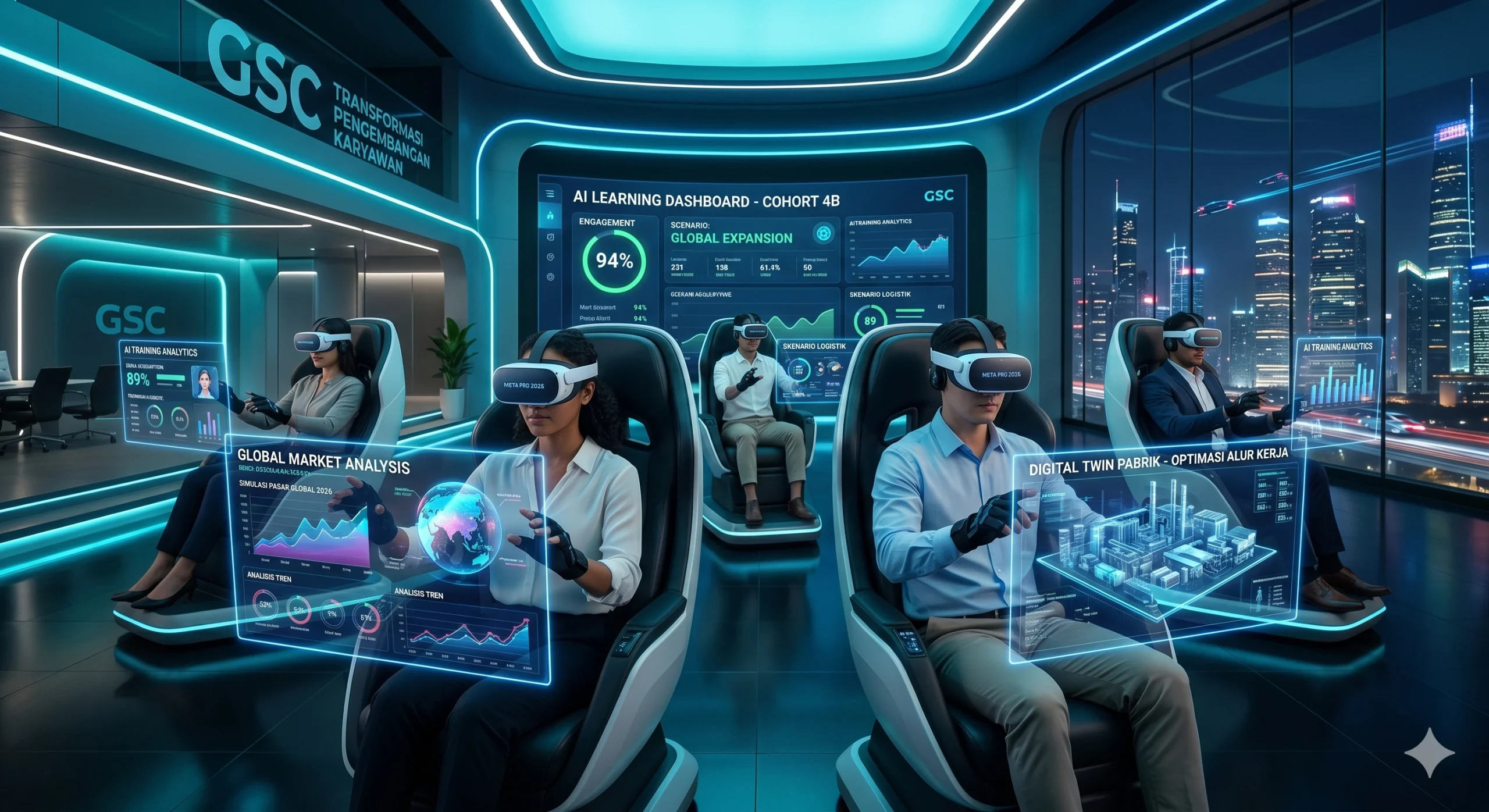
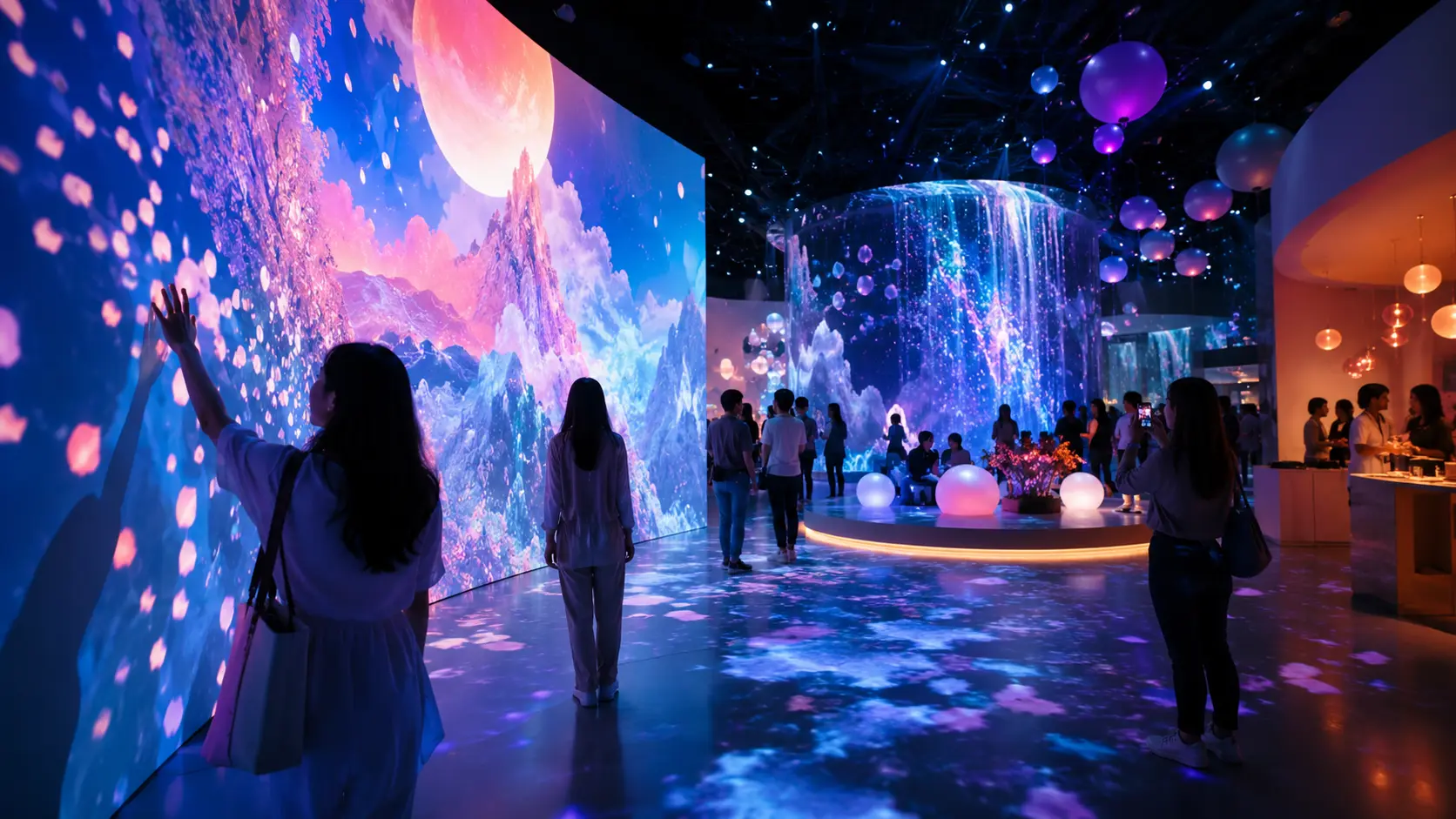
Instead of interrupting consumers, immersive marketing invites them into memorable brand experiences. Whether through augmented reality, AI-powered personalization, virtual events, or interactive retail spaces, brands are creating environments that consumers actively enjoy.
This shift is changing the future of customer engagement.
Businesses using immersive experiential marketing are seeing:
- Higher customer loyalty
- Increased brand recall
- Better social media engagement
- Improved conversion rates
- Stronger emotional connections
As technology evolves, immersive experiences are becoming more accessible, scalable, and effective across nearly every industry.
What Is Immersive Experiential Marketing?
Immersive experiential marketing is a strategy that allows consumers to interact directly with a brand through engaging and memorable experiences. Instead of simply showing advertisements, companies create environments where customers participate actively.
These experiences may include:
- Interactive pop-up stores
- Virtual reality simulations
- Augmented reality product try-ons
- AI-driven personalization
- Gamified brand campaigns
- Multi-sensory installations
The goal is to create emotional engagement that leaves a lasting impression.
Core Components of Immersive Experiential Marketing
| Component | Description | Customer Benefit |
|---|---|---|
| Interactivity | Encourages participation | Higher engagement |
| Personalization | Tailors experiences to individuals | Improved satisfaction |
| Storytelling | Creates emotional narratives | Stronger memory retention |
| Technology Integration | Uses AR, VR, and AI tools | Innovative experiences |
| Multi-Sensory Design | Engages multiple senses | Deeper immersion |
Unlike traditional marketing, immersive experiences make consumers feel like active participants rather than passive viewers.
Why Traditional Advertising Is Losing Effectiveness
Consumer behavior has changed significantly over the last decade. People are exposed to thousands of advertisements every day, creating severe ad fatigue.
Modern audiences:
- Skip video ads
- Use ad blockers
- Ignore banner promotions
- Distrust overly promotional messaging
As a result, brands must find more engaging ways to communicate.
Traditional Marketing vs Immersive Marketing
| Traditional Advertising | Immersive Experiential Marketing |
|---|---|
| Passive communication | Interactive participation |
| Generic messaging | Personalized experiences |
| Short attention span | Longer engagement |
| One-way promotion | Two-way interaction |
| Limited emotional impact | Strong emotional connection |
Consumers now value authenticity, entertainment, and participation. That’s why immersive campaigns consistently outperform traditional ads.
The Psychology Behind Immersive Experiential Marketing
One of the biggest reasons immersive marketing works so effectively is psychology. Human beings naturally remember experiences more vividly than advertisements.
When customers emotionally connect with a brand, they are more likely to:
- Remember the business
- Recommend it to others
- Make repeat purchases
- Develop long-term loyalty
Emotional Triggers Used in Immersive Campaigns
| Emotional Trigger | Marketing Effect |
|---|---|
| Excitement | Increased engagement |
| Curiosity | Longer interaction time |
| Surprise | Better social sharing |
| Nostalgia | Emotional loyalty |
| Belonging | Stronger community connection |
Experiential campaigns activate emotions by combining storytelling, sensory stimulation, and participation.
Top Technologies Powering Immersive Experiential Marketing in 2026
Technology is the driving force behind modern immersive campaigns. Brands now use advanced digital tools to create highly engaging experiences.
Technology Overview
| Technology | Main Function | Popular Use Cases |
|---|---|---|
| Artificial Intelligence | Personalization | Smart recommendations |
| Augmented Reality | Digital overlays | Virtual try-ons |
| Virtual Reality | Full immersion | Simulated environments |
| IoT Devices | Real-time interaction | Smart retail spaces |
| Projection Mapping | Visual storytelling | Interactive events |
Artificial Intelligence and Personalized Experiences
Artificial intelligence has revolutionized immersive experiential marketing by enabling hyper-personalization.
AI allows brands to:
- Analyze customer behavior
- Predict preferences
- Deliver real-time recommendations
- Customize interactions instantly
Benefits of AI in Experiential Marketing
| AI Capability | Marketing Advantage |
|---|---|
| Predictive Analytics | Better targeting |
| Chatbots | Faster customer service |
| Recommendation Engines | Higher conversions |
| Behavioral Tracking | Improved personalization |
AI-driven campaigns help consumers feel understood and valued, improving loyalty significantly.
For more information about AI innovation, visit OpenAI.
How Augmented Reality Is Transforming Customer Experiences
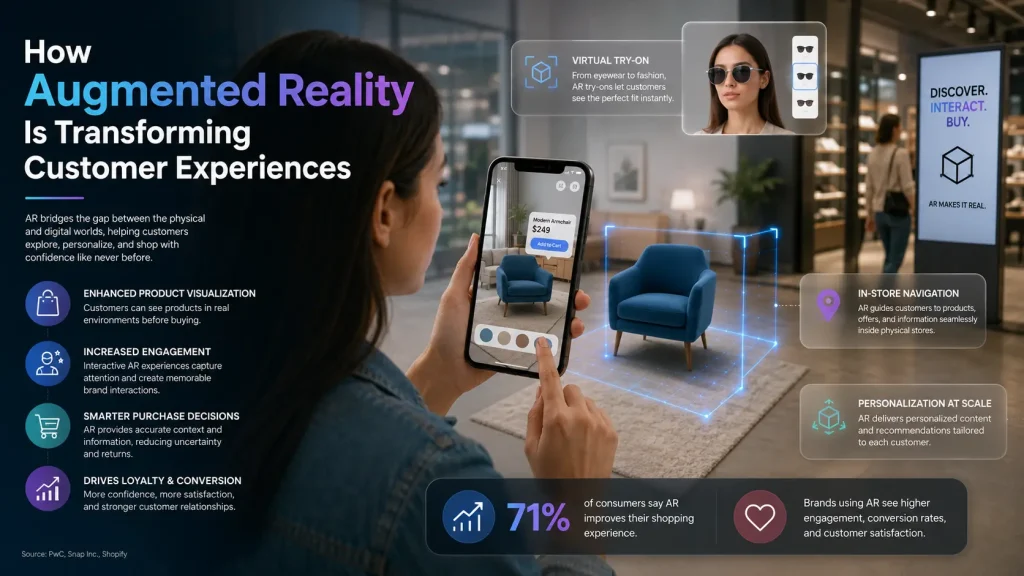
Augmented reality overlays digital content into the real world using smartphones or wearable devices.
AR is becoming one of the most effective immersive marketing tools because it combines convenience with interactivity.
Popular AR Marketing Applications
| AR Experience | Customer Benefit |
|---|---|
| Virtual furniture placement | Better purchase confidence |
| Beauty product try-ons | Personalized shopping |
| Interactive packaging | Enhanced engagement |
| Fashion fitting apps | Reduced uncertainty |
Consumers appreciate AR because it allows them to visualize products before purchasing.
Virtual Reality and Fully Immersive Brand Experiences
Virtual reality creates complete digital environments where users can interact with products, services, or branded stories.
VR Marketing Use Cases
| VR Experience | Industry |
|---|---|
| Virtual travel tours | Tourism |
| Interactive gaming worlds | Entertainment |
| Real estate walkthroughs | Property |
| Training simulations | Healthcare |
VR experiences increase emotional immersion because users feel physically present within the environment.
Benefits of Immersive Experiential Marketing
Brands investing in immersive experiences often achieve stronger business results compared to traditional advertising campaigns.
Major Benefits Overview
| Benefit | Business Impact |
|---|---|
| Stronger brand recall | Improved recognition |
| Increased customer loyalty | Higher retention |
| Better social engagement | Organic reach |
| Improved conversion rates | Revenue growth |
| Emotional connection | Long-term trust |
Stronger Brand Recall and Memory Retention
People naturally remember experiences better than advertisements.
Interactive campaigns improve memory retention because customers:
- Participate actively
- Experience emotions
- Interact physically
- Engage multiple senses
Experience vs Advertisement Recall
| Marketing Method | Recall Strength |
|---|---|
| Banner Ads | Low |
| Social Media Ads | Moderate |
| Interactive Experiences | High |
This is why experiential campaigns often leave lasting impressions.
Increased Social Media Sharing
Consumers love sharing unique experiences online. Immersive campaigns naturally encourage user-generated content.
Most Shareable Experience Types
| Experience Type | Social Media Impact |
|---|---|
| Interactive pop-ups | Viral engagement |
| AR filters | Increased visibility |
| VR experiences | High curiosity |
| Live immersive events | Real-time participation |
Social sharing significantly extends campaign reach without increasing advertising costs.
Industries Leading the Immersive Marketing Revolution
Several industries are aggressively adopting immersive experiential marketing to stay competitive.
Industry Adoption Overview
| Industry | Immersive Strategy |
|---|---|
| Retail | AR shopping and smart stores |
| Gaming | Interactive virtual worlds |
| Healthcare | VR therapy and education |
| Hospitality | Virtual destination previews |
| Automotive | Interactive showrooms |
Retail and E-Commerce Innovation
Retail companies are transforming shopping into an interactive experience.
Retail Technology Trends
| Innovation | Customer Benefit |
|---|---|
| Smart mirrors | Personalized styling |
| AI shopping assistants | Faster product discovery |
| AR fitting rooms | Virtual try-ons |
| Interactive displays | Enhanced engagement |
Immersive retail experiences bridge the gap between physical and digital commerce.
Entertainment and Gaming Experiences
Entertainment brands were among the earliest adopters of immersive strategies.
Gaming and Entertainment Tools
| Technology | Purpose |
|---|---|
| VR gaming | Full immersion |
| Live digital concerts | Remote participation |
| Gamification | Increased interaction |
| Interactive storytelling | Emotional engagement |
These experiences create deeper audience participation and loyalty.
Challenges of Immersive Experiential Marketing
Although immersive marketing offers many advantages, businesses still face several challenges.
Key Challenges
| Challenge | Impact |
|---|---|
| High development costs | Budget limitations |
| Technical complexity | Difficult implementation |
| Data privacy concerns | Consumer trust issues |
| ROI measurement | Performance tracking challenges |
Budget and Technology Costs
Advanced immersive campaigns often require:
- Software development
- Hardware investment
- Creative production teams
- Technical maintenance
However, emerging technologies are gradually becoming more affordable.
Cost Comparison Table
| Campaign Type | Approximate Cost Level |
|---|---|
| Social AR filters | Low |
| Interactive pop-ups | Medium |
| Full VR installations | High |
Small businesses can still benefit by starting with low-cost interactive campaigns.
Data Privacy and Consumer Trust
Personalization depends heavily on customer data collection. Brands must manage information responsibly.
Privacy Management Priorities
| Privacy Concern | Brand Responsibility |
|---|---|
| Data collection | Transparency |
| User tracking | Consent management |
| Cybersecurity | Data protection |
| AI recommendations | Ethical usage |
Consumers are more likely to trust brands that prioritize privacy and transparency.
How to Build a Successful Immersive Experiential Marketing Strategy
Creating successful immersive experiences requires careful planning and execution.
Strategic Framework
| Step | Action |
|---|---|
| Audience Research | Understand customer behavior |
| Story Development | Create emotional narratives |
| Technology Selection | Choose suitable tools |
| Experience Design | Build immersive interactions |
| Analytics Tracking | Measure campaign results |
Understand Your Audience First
Successful campaigns begin with deep audience research.
Brands should analyze:
- Demographics
- Interests
- Buying behavior
- Preferred platforms
- Customer pain points
Audience Research Benefits
| Research Area | Marketing Advantage |
|---|---|
| Behavioral insights | Better targeting |
| Purchase history | Personalized experiences |
| Engagement patterns | Improved content strategy |
Create Emotional Storytelling
Storytelling is essential in immersive experiential marketing because emotions influence purchasing decisions.
Powerful Storytelling Elements
| Element | Purpose |
|---|---|
| Emotion | Builds connection |
| Conflict | Creates interest |
| Resolution | Delivers satisfaction |
| Authenticity | Builds trust |
Consumers connect with stories more deeply than direct sales messages.
The Future of Immersive Experiential Marketing
The future of immersive marketing looks incredibly promising as technologies continue evolving rapidly.
Future Marketing Trends
| Trend | Expected Impact |
|---|---|
| AI hyper-personalization | Customized experiences |
| Metaverse experiences | Virtual communities |
| Spatial computing | Enhanced immersion |
| Sustainable activations | Eco-friendly branding |
AI-Powered Hyper-Personalization
Future AI systems may adapt experiences based on:
- Voice recognition
- Emotional analysis
- Real-time behavior
- Facial expressions
This level of personalization will transform customer expectations completely.
Metaverse Brand Experiences
Brands are increasingly experimenting with immersive digital worlds.
Metaverse Opportunities
| Opportunity | Business Benefit |
|---|---|
| Virtual stores | Global customer access |
| Digital events | Scalable engagement |
| NFT experiences | Digital ownership |
Although still developing, the metaverse offers enormous long-term potential.
Frequently Asked Questions
What is immersive experiential marketing?
Immersive experiential marketing is a strategy that creates interactive experiences where consumers actively engage with brands emotionally and physically.
| Quick Answer | Details |
|---|---|
| Main Goal | Customer engagement |
| Key Focus | Interactive experiences |
| Main Technologies | AI, AR, VR |
Why is immersive experiential marketing important in 2026?
Consumers increasingly prefer engaging experiences over traditional advertising because experiences feel more authentic and memorable.
Which industries benefit most from immersive marketing?
Retail, healthcare, entertainment, travel, gaming, and automotive industries are leading adopters of immersive experiences.
How does augmented reality improve marketing?
AR allows customers to visualize products digitally before purchasing, improving confidence and engagement.
Can small businesses use immersive experiential marketing?
Yes. Small businesses can start with affordable tools like social media filters, QR experiences, and interactive campaigns.
How do companies measure immersive campaign success?
Brands measure:
- Engagement rates
- Social sharing
- Conversion rates
- Customer sentiment
- Brand recall
Conclusion
Ready to Transform Your Brand With Immersive Experiential Marketing?
In 2026, customers expect more than traditional advertising. They want memorable experiences, emotional engagement, and interactive brand journeys that feel personal and authentic.
That’s where Cebirra helps businesses stand out.
Whether you want to launch:
- Interactive brand activations
- AI-powered customer experiences
- Augmented reality campaigns
- Virtual event experiences
- Experiential retail environments
Cebirra delivers innovative immersive experiential marketing solutions designed to increase engagement, customer loyalty, and business growth.
Why Choose Cebirra?
| Cebirra Advantage | Business Benefit |
|---|---|
| Creative Experiential Campaigns | Stronger audience engagement |
| AI & AR Integration | Future-ready experiences |
| Data-Driven Strategy | Better campaign performance |
| Multi-Channel Activations | Consistent brand experiences |
| Customer-Centered Design | Higher conversion rates |
Start Creating Unforgettable Brand Experiences Today
Don’t let your brand become invisible in a crowded digital world. Partner with Cebirra to build immersive campaigns that customers remember, share, and trust.
👉 Contact Cebirra today and discover how immersive experiential marketing can elevate your business in 2026 and beyond.