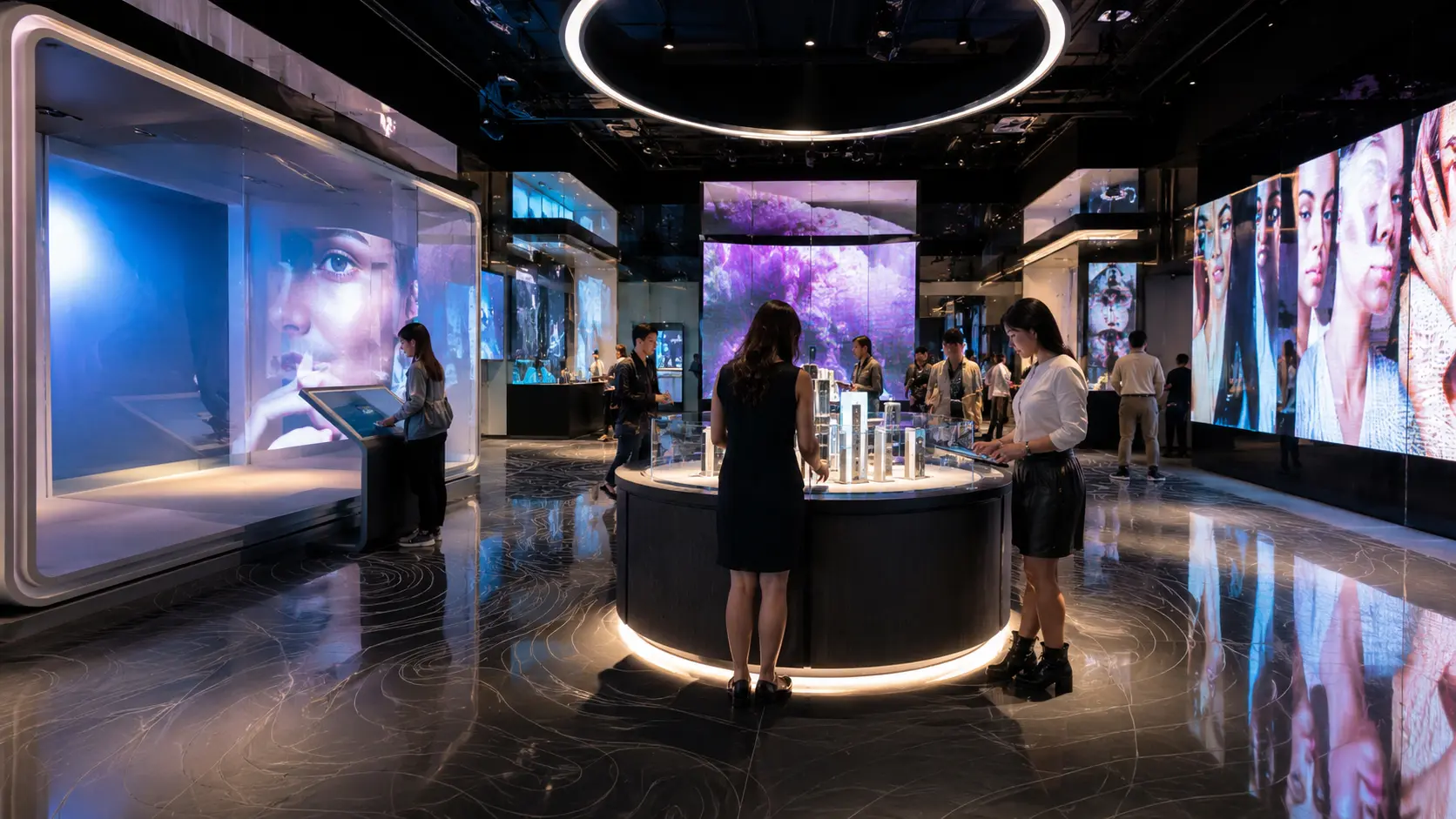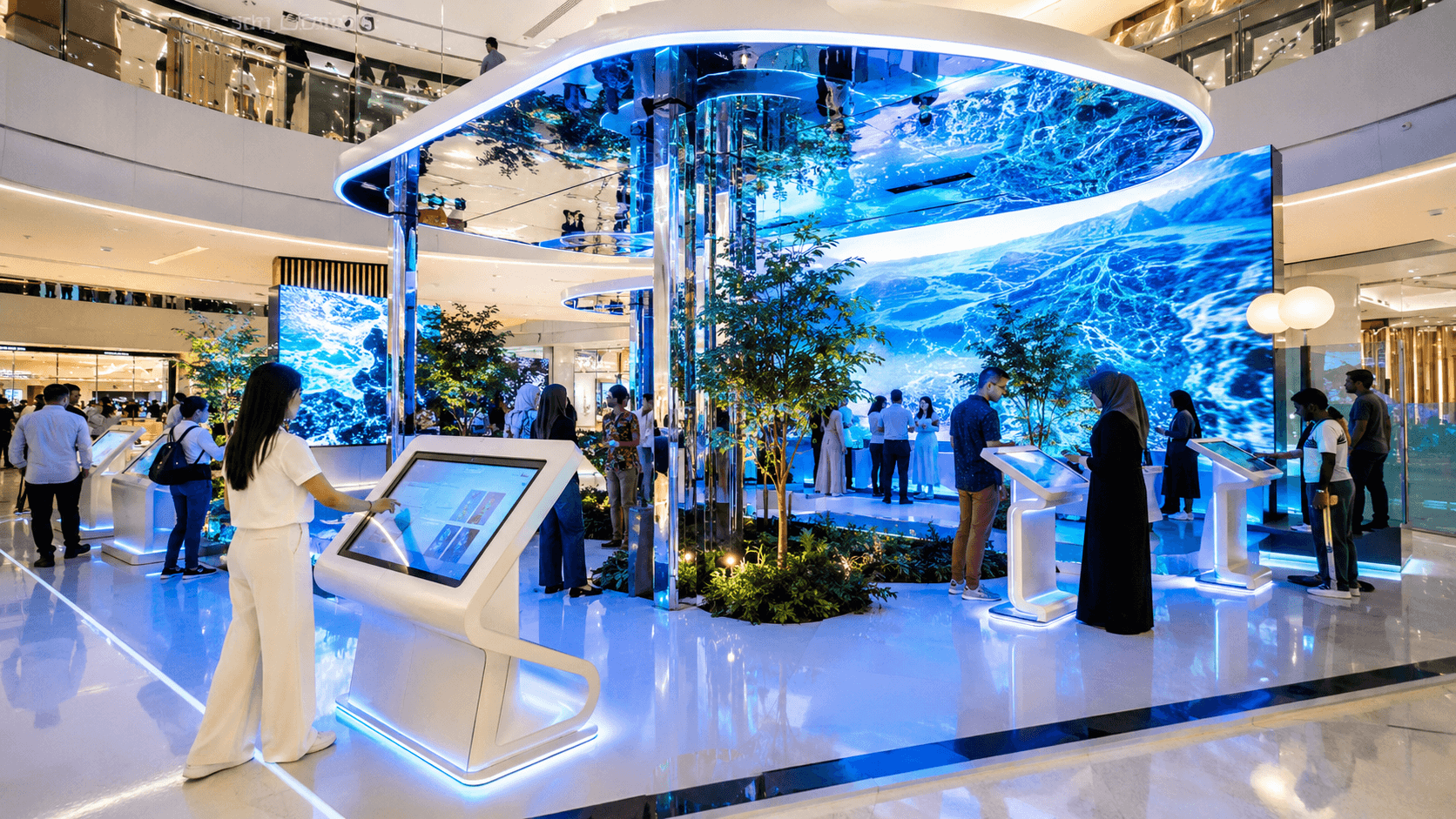
In today’s highly competitive marketplace, brands need more than traditional advertising to capture consumer attention. Modern audiences seek meaningful interactions, memorable experiences, and authentic connections with the brands they support. This shift has led to the rapid growth of experiential marketing, a strategy that focuses on engaging consumers through immersive and interactive brand experiences.
As businesses across Indonesia compete for customer attention, partnering with an experiential marketing agency Indonesia has become a powerful way to differentiate products and services. From large-scale brand activations and interactive installations to immersive product launches and experiential retail environments, these campaigns transform passive audiences into active participants.
Experiential marketing goes beyond simply promoting a product. It creates emotional connections that encourage engagement, social sharing, and long-term brand loyalty. Whether through cutting-edge technologies such as augmented reality (AR), virtual reality (VR), projection mapping, or interactive LED installations, brands can deliver memorable experiences that resonate with consumers long after the event ends.
This guide explores the role of experiential marketing agencies in Indonesia, the services they provide, the benefits they deliver, and how businesses can select the right partner to create impactful brand experiences that drive measurable results.
What Is Experiential Marketing and Why It Matters
Understanding Experiential Marketing
Experiential marketing is a strategy that enables consumers to engage directly with a brand through immersive, interactive, and memorable experiences. Rather than relying solely on advertisements, brands create opportunities for audiences to participate, explore, and connect with products or services in meaningful ways.
The goal of experiential marketing is to build emotional connections between consumers and brands. These experiences can take many forms, including interactive installations, pop-up activations, live events, product demonstrations, immersive exhibitions, digital experiences, and technology-driven engagements using augmented reality (AR), virtual reality (VR), and projection mapping.
Unlike traditional marketing, experiential campaigns place the audience at the center of the experience. Consumers are no longer passive observers; they become active participants who interact with the brand and share their experiences with others.
As consumer expectations continue to evolve, experiential marketing has become one of the most effective ways for brands to create memorable impressions that influence purchasing decisions and foster long-term loyalty.
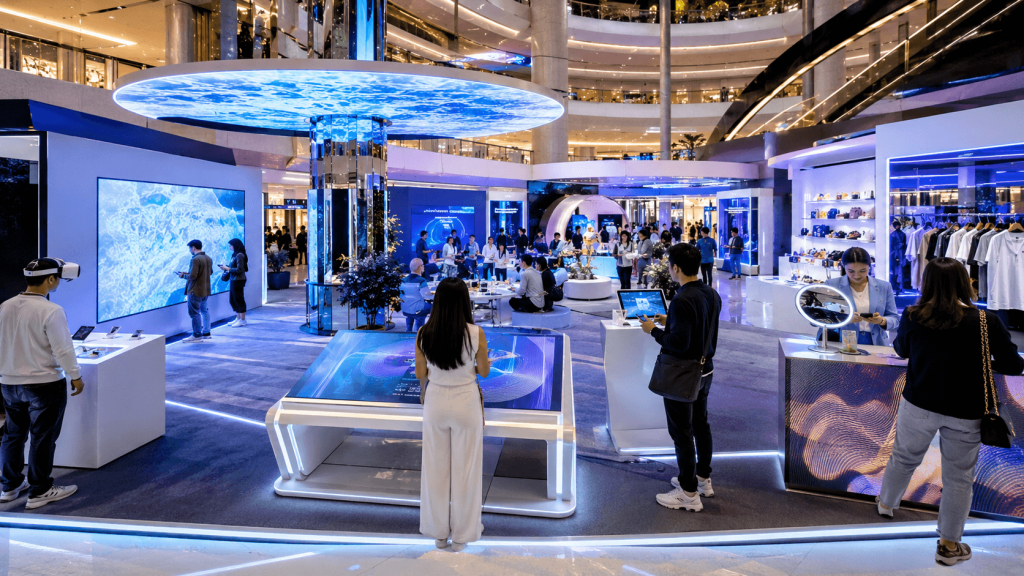
Experiential Marketing vs Traditional Advertising
Traditional advertising methods such as television commercials, print advertisements, radio spots, and digital banner ads are designed primarily to deliver messages to large audiences. While these approaches remain valuable, they often struggle to capture attention in an increasingly crowded media landscape.
Experiential marketing takes a different approach. Instead of telling consumers about a brand, it allows them to experience the brand firsthand. This direct engagement creates stronger emotional responses and significantly improves message retention.
For example, rather than promoting a new product through a static advertisement, a brand may create an interactive activation where visitors can test, customize, or engage with the product in a unique environment. The experience becomes more memorable because consumers actively participate rather than simply receiving information.
Experiential campaigns also encourage organic social media sharing. Visitors frequently document and share unique experiences online, extending campaign reach beyond the physical event and generating valuable user-generated content.
The Growing Demand for Brand Experiences in Indonesia
Indonesia is one of Southeast Asia’s most dynamic consumer markets, with a young, digitally connected population that values experiences as much as products. This shift in consumer behavior has accelerated demand for experiential marketing campaigns across industries including retail, technology, automotive, telecommunications, banking, healthcare, hospitality, and consumer goods.
Modern Indonesian consumers expect brands to provide engaging and personalized experiences. They are increasingly attracted to interactive environments, immersive storytelling, and innovative technologies that create memorable moments.
As a result, businesses are investing in experiential marketing initiatives to stand out in competitive markets. Large-scale brand activations at shopping malls, experiential roadshows, interactive exhibitions, product launches, and immersive pop-up experiences have become essential tools for building brand awareness and customer engagement.
The rapid adoption of digital technologies has further expanded opportunities for experiential marketing. Interactive LED walls, motion sensors, gamification platforms, AR experiences, and AI-powered engagement tools allow brands to create highly personalized experiences while collecting valuable audience data.
For companies seeking deeper customer connections, an experienced experiential marketing agency in Indonesia can help transform marketing objectives into memorable brand experiences. By combining creativity, technology, and strategic planning, agencies deliver campaigns that not only capture attention but also drive measurable business outcomes.
As competition continues to increase across industries, brands that invest in experiential marketing gain a significant advantage. They create authentic interactions, strengthen customer relationships, and generate the kind of emotional engagement that traditional advertising alone cannot achieve.
Traditional Marketing vs Experiential Marketing
| Aspect | Traditional Marketing | Experiential Marketing |
|---|---|---|
| Audience Role | Passive viewer | Active participant |
| Communication | One-way messaging | Two-way interaction |
| Emotional Connection | Moderate | Strong |
| Brand Recall | Medium | High |
| Customer Engagement | Limited | Extensive |
| Social Sharing Potential | Low | High |
| Data Collection | Basic analytics | Real-time engagement insights |
| Customer Experience | Indirect | Direct and immersive |
| Loyalty Building | Moderate | Strong |
| Campaign Impact | Short-term awareness | Long-term brand affinity |
Key Services Offered by an Experiential Marketing Agency Indonesia
Experiential marketing agencies help brands move beyond conventional advertising by creating meaningful interactions that engage audiences and leave lasting impressions. By combining strategy, creativity, technology, and production expertise, these agencies develop experiences that strengthen brand awareness, drive customer engagement, and support business objectives.

From interactive brand activations to immersive technology-driven experiences, experiential marketing agencies in Indonesia offer a wide range of services designed to help brands stand out in competitive markets.
Brand Activation Campaigns
Brand activation is one of the most common services offered by experiential marketing agencies. These campaigns are designed to bring brands to life through direct consumer interaction.
Unlike traditional advertising that focuses on delivering messages, brand activations encourage audiences to experience the brand firsthand. Activities may include live demonstrations, sampling programs, roadshows, experiential booths, community engagement events, and promotional campaigns that invite participation.
Successful brand activations create memorable moments that increase awareness while encouraging consumers to build stronger emotional connections with the brand. These experiences often generate valuable word-of-mouth marketing and social media exposure, extending campaign reach beyond the event itself.
In Indonesia, brand activations are frequently conducted in shopping malls, public venues, exhibitions, festivals, campuses, and corporate environments where brands can engage directly with target audiences.
Interactive Installations and Digital Experiences
Interactive installations have become a key component of modern experiential marketing. These experiences use technology to transform audiences from passive observers into active participants.
Examples include interactive LED walls, touchscreens, motion-sensing displays, digital games, gesture-controlled interfaces, and data-driven engagement platforms. These installations encourage visitors to explore, interact, and immerse themselves in the brand experience.
Interactive experiences are highly effective because they combine entertainment with brand storytelling. Rather than simply presenting information, brands allow visitors to discover products and services through engaging activities that create memorable interactions.
Digital experiences also provide valuable insights through real-time data collection, helping brands understand consumer behavior and measure campaign performance more effectively.
Pop-Up Shops and Experiential Retail
Pop-up shops have become increasingly popular among brands seeking to create exclusive and highly engaging customer experiences. These temporary retail environments provide opportunities to showcase products in unique and creative ways.
Experiential marketing agencies design pop-up experiences that combine retail, entertainment, and storytelling to create memorable customer journeys. Rather than focusing solely on sales, these environments encourage exploration, interaction, and social sharing.
A well-designed pop-up experience may include interactive product demonstrations, digital engagement zones, photo opportunities, personalized experiences, and immersive brand environments that attract visitors and encourage longer dwell times.
For brands launching new products or entering new markets, pop-up activations provide an effective way to generate excitement while gathering valuable customer feedback.
Product Launch Events
Launching a new product requires more than a press release or advertising campaign. Experiential marketing agencies help brands create launch events that generate excitement, media attention, and consumer engagement.
Modern product launches often incorporate immersive storytelling, live demonstrations, interactive displays, and technology-enhanced experiences that allow attendees to explore products in memorable ways.
Whether introducing a new technology product, automotive innovation, consumer packaged good, or lifestyle brand, experiential agencies develop launch concepts that align with business objectives while creating strong emotional impact.
By creating engaging launch experiences, brands can increase awareness, encourage trial, and generate content that continues to drive visibility long after the event concludes.
Immersive Technology Integration
Technology plays a critical role in contemporary experiential marketing campaigns. Agencies increasingly integrate advanced technologies to create innovative and memorable experiences that capture audience attention.
Popular technologies include:
- Augmented Reality (AR)
- Virtual Reality (VR)
- Projection Mapping
- Interactive LED Displays
- Motion Tracking Systems
- Artificial Intelligence (AI)
- Gamification Platforms
- RFID and NFC Experiences
- Holographic Displays
- Multi-Sensory Installations
These technologies help brands tell stories in more engaging ways while creating personalized interactions that resonate with modern consumers.
As technology continues to evolve, experiential marketing agencies are finding new opportunities to blend physical and digital experiences, creating hybrid campaigns that maximize audience engagement across multiple touchpoints.
Common Experiential Marketing Services
| Service | Objective | Typical Applications |
|---|---|---|
| Brand Activation | Increase engagement and awareness | Roadshows, mall activations, festivals |
| Interactive Installation | Encourage participation | Exhibitions, trade shows, public spaces |
| Pop-Up Experience | Create exclusive brand interactions | Retail campaigns, product showcases |
| Product Launch Event | Generate excitement and publicity | New product introductions |
| AR & VR Experiences | Deliver immersive storytelling | Technology, automotive, property sectors |
| Projection Mapping | Create visual impact | Corporate events, launches, exhibitions |
| Gamification | Increase audience participation | Consumer promotions and activations |
| Interactive LED Solutions | Enhance engagement | Experiential booths and event spaces |
| Hybrid Experiences | Connect physical and digital audiences | Brand campaigns and conferences |
| Data Capture Solutions | Measure campaign performance | Lead generation and customer insights |
Experiential marketing agencies serve as strategic partners that help brands create meaningful consumer interactions. By combining creativity, technology, and flawless execution, they transform marketing objectives into memorable experiences that deliver measurable results and long-term brand value.
Benefits of Working with an Experiential Marketing Agency Indonesia

As consumer expectations continue to evolve, brands must find innovative ways to stand out and build meaningful relationships with their audiences. Traditional marketing channels remain important, but they often struggle to create the level of engagement and emotional connection that modern consumers seek. This is where experiential marketing delivers significant value.
Partnering with an experiential marketing agency in Indonesia enables brands to leverage creative expertise, advanced technologies, and strategic planning to develop campaigns that leave lasting impressions. Beyond creating memorable experiences, these campaigns generate measurable business outcomes that contribute to long-term growth.
Enhancing Customer Engagement
One of the most significant advantages of experiential marketing is its ability to create genuine engagement. Instead of passively consuming advertisements, consumers actively participate in brand experiences.
Interactive activations encourage visitors to touch, explore, test, and interact with products or services in ways that traditional media cannot replicate. Whether through immersive installations, gamified experiences, or hands-on product demonstrations, participants become directly involved in the brand story.
Higher engagement levels often result in increased interest, stronger emotional connections, and a deeper understanding of the brand’s value proposition. Consumers are more likely to remember and discuss experiences they actively participated in compared to advertisements they simply viewed.
Experiential marketing also creates opportunities for meaningful conversations between brands and consumers, allowing businesses to gather direct feedback while strengthening relationships.
Strengthening Brand Recall
Consumers are exposed to thousands of marketing messages every day. In such a crowded environment, achieving strong brand recall is increasingly challenging.
Experiential marketing addresses this challenge by creating memorable moments that stand out from traditional promotional efforts. When people engage in unique and enjoyable experiences, they are more likely to remember the associated brand long after the event has ended.
Research consistently shows that experiences trigger stronger emotional responses than passive advertising. Emotional engagement plays a critical role in memory formation, making experiential campaigns particularly effective at increasing brand recognition and recall.
For brands launching new products, entering new markets, or repositioning their image, experiential marketing provides a powerful way to create lasting impressions that influence future purchasing decisions.
Increasing Social Media Exposure
Today’s consumers naturally share memorable experiences across social media platforms. A well-executed experiential marketing campaign can generate substantial online visibility through user-generated content.
Interactive installations, immersive environments, creative photo opportunities, and engaging activities encourage attendees to capture and share their experiences with friends and followers. This organic sharing extends campaign reach far beyond the physical event.
Social media amplification provides several advantages:
- Increased brand awareness
- Expanded audience reach
- Higher engagement rates
- Authentic customer advocacy
- Additional content creation opportunities
When consumers voluntarily promote their experiences online, brands benefit from trusted peer recommendations that often carry more influence than traditional advertising messages.
Experiential marketing agencies frequently design campaigns with social sharing in mind, incorporating visually appealing elements and interactive features that encourage participants to create and distribute content.
Generating Valuable Consumer Insights
Modern experiential marketing campaigns provide valuable data that helps businesses better understand their audiences.
Interactive technologies such as touchscreens, mobile applications, RFID systems, QR code interactions, gamification platforms, and digital registration tools enable brands to collect meaningful engagement data throughout the customer journey.
This information can reveal:
- Visitor demographics
- Participation rates
- Consumer preferences
- Product interests
- Engagement duration
- Lead generation metrics
- Conversion opportunities
By analyzing these insights, businesses can refine future marketing strategies, improve customer experiences, and make more informed decisions regarding product development and campaign investments.
Unlike many traditional advertising channels that focus primarily on impressions and reach, experiential marketing offers deeper visibility into actual consumer behavior.
Access to Specialized Expertise and Technology
Experiential marketing campaigns often require a combination of creative design, event production, technology integration, logistics management, and performance measurement. Managing these components internally can be challenging and resource-intensive.
An experienced experiential marketing agency provides access to specialized professionals who understand how to develop and execute complex campaigns effectively.
These agencies typically offer expertise in:
- Creative concept development
- Experience design
- Interactive technology integration
- Event production
- Audience engagement strategies
- Data analytics and reporting
- Project management
In addition, agencies maintain access to advanced technologies such as AR, VR, projection mapping, interactive LED displays, AI-powered engagement tools, and immersive digital experiences that may not be readily available in-house.
This combination of expertise and technology helps brands deliver high-quality experiences while minimizing operational risks.
Business Benefits of Experiential Marketing
| Benefit | Business Impact |
|---|---|
| Higher Customer Engagement | Increased audience participation and interaction |
| Stronger Brand Recall | Improved long-term brand recognition |
| Social Media Amplification | Greater organic reach and visibility |
| Emotional Connection | Stronger customer relationships |
| Lead Generation | More qualified prospects and inquiries |
| Consumer Insights | Better understanding of customer behavior |
| Product Awareness | Enhanced product education and trial |
| Customer Loyalty | Increased repeat engagement and advocacy |
| Competitive Differentiation | Stronger market positioning |
| Measurable Results | Data-driven campaign optimization |
Working with an experiential marketing agency in Indonesia allows brands to transform marketing activities into meaningful experiences that create lasting value. By combining creativity, technology, and strategic execution, experiential campaigns not only engage audiences but also strengthen brand equity, improve customer relationships, and deliver measurable business results.
How Experiential Marketing Campaigns Are Planned and Executed

Behind every successful experiential marketing campaign is a carefully structured process that combines strategy, creativity, technology, and flawless execution. While attendees may only experience the final activation, a significant amount of planning and coordination takes place behind the scenes to ensure every touchpoint aligns with brand objectives and audience expectations.
An experienced experiential marketing agency in Indonesia follows a systematic approach that transforms marketing goals into engaging, measurable brand experiences. From initial research to post-event reporting, each stage plays a critical role in campaign success.
Research and Audience Analysis
Every effective experiential marketing campaign begins with understanding the target audience. Before developing concepts or selecting technologies, agencies conduct comprehensive research to identify consumer behaviors, preferences, motivations, and expectations.
This discovery phase may include:
- Market research
- Competitor analysis
- Consumer profiling
- Audience segmentation
- Brand positioning assessments
- Customer journey mapping
The objective is to gain a clear understanding of who the audience is and what type of experience will resonate with them.
For example, a technology brand targeting Gen Z consumers may benefit from gamified experiences, social media integrations, and immersive digital environments. Meanwhile, a luxury brand may focus on exclusivity, personalized interactions, and premium sensory experiences.
The insights gathered during this stage provide the strategic foundation for the entire campaign.
Creative Concept Development
Once audience insights have been collected, the agency begins developing creative concepts that align with campaign objectives.
This stage focuses on transforming marketing goals into engaging experiences that communicate brand messages in memorable ways. Creative teams brainstorm ideas that combine storytelling, interaction, visual design, and audience participation.
A strong experiential marketing concept typically includes:
- A central campaign theme
- Interactive engagement opportunities
- Visual and environmental design
- Technology integration
- Social media amplification strategies
- Data collection mechanisms
The goal is not simply to create an attractive event but to design a meaningful experience that encourages emotional engagement and reinforces brand identity.
Successful concepts balance creativity with practicality, ensuring that the final activation can be executed efficiently while delivering maximum impact.
Experience Design and Technology Integration
After the concept is approved, agencies move into the experience design phase. This stage involves translating ideas into tangible environments and interactions.
Design teams create detailed plans that define:
- Visitor journeys
- Engagement touchpoints
- Physical layouts
- Interactive features
- Digital experiences
- Branding elements
- Technical infrastructure
Technology often plays a central role in modern experiential campaigns. Depending on campaign objectives, agencies may integrate:
- Augmented Reality (AR)
- Virtual Reality (VR)
- Interactive LED walls
- Projection mapping
- Motion sensors
- Artificial Intelligence (AI)
- Gamification systems
- Mobile applications
- RFID and NFC solutions
These technologies enhance engagement while enabling brands to create highly immersive and personalized experiences.
At this stage, agencies also develop prototypes, visual renderings, and technical specifications to ensure all elements function as intended before production begins.
Event Production and Execution
Execution is where strategy and creativity come together in a live environment. This phase includes all production activities required to bring the experiential campaign to life.
Key responsibilities include:
- Venue preparation
- Fabrication and installation
- Technology deployment
- Logistics coordination
- Staffing and training
- Vendor management
- Safety compliance
- Event operations
Successful experiential campaigns require meticulous attention to detail. Every element, from lighting and sound to visitor flow and interactive functionality, must be carefully managed to create a seamless audience experience.
During the activation, agency teams continuously monitor operations, resolve technical issues, and optimize engagement opportunities to ensure the experience meets campaign objectives.
Professional execution is critical because even the most creative concept can fail if operational challenges negatively impact the audience experience.
Performance Measurement and Reporting
Experiential marketing is most effective when results can be measured and analyzed. Following campaign completion, agencies conduct detailed evaluations to determine performance against predefined objectives.
Common performance indicators include:
- Attendance numbers
- Engagement rates
- Participation levels
- Lead generation
- Social media reach
- User-generated content
- Brand awareness metrics
- Conversion rates
- Customer feedback
- Return on investment (ROI)
Advanced analytics platforms allow agencies to gather both quantitative and qualitative data throughout the campaign lifecycle.
The final reporting process provides brands with valuable insights into audience behavior, campaign effectiveness, and opportunities for future improvement. These insights help businesses optimize future activations while demonstrating the tangible value of experiential marketing investments.
Experiential Marketing Campaign Process
| Stage | Key Activities | Primary Outcome |
|---|---|---|
| Discovery & Research | Audience analysis, market research, competitor review | Strategic insights |
| Concept Development | Creative ideation, storytelling, experience planning | Campaign concept |
| Experience Design | Visitor journey mapping, engagement design | Detailed experience blueprint |
| Technology Integration | AR, VR, LED, AI, gamification implementation | Interactive experiences |
| Production & Installation | Fabrication, logistics, setup, testing | Activation-ready environment |
| Event Execution | Operations management, audience engagement | Live brand experience |
| Data Collection | Tracking interactions and participation | Consumer insights |
| Reporting & Analysis | KPI measurement and performance review | Campaign optimization recommendations |
A successful experiential marketing campaign is the result of strategic planning, innovative thinking, and precise execution. By following a structured process, experiential marketing agencies in Indonesia help brands create immersive experiences that engage audiences, strengthen brand connections, and deliver measurable business outcomes.
Why Choose Cebirra as Your Experiential Marketing Agency Indonesia
Creating a successful experiential marketing campaign requires more than creative ideas. It demands a strategic partner capable of combining innovation, technology, storytelling, and flawless execution to deliver meaningful audience engagement.
Cebirra specializes in designing and delivering immersive brand experiences that help businesses connect with their audiences in memorable and impactful ways. From interactive installations and experiential activations to immersive retail environments and technology-driven brand experiences, Cebirra helps transform marketing objectives into engaging customer journeys.
Our multidisciplinary team combines creative strategy, experience design, interactive technology, content creation, and event production expertise to develop campaigns tailored to each client’s goals. Whether launching a new product, increasing brand awareness, generating leads, or enhancing customer engagement, Cebirra creates experiences that drive measurable results.
Our experiential marketing capabilities include:
- Brand Activation Campaigns
- Interactive Installations
- Immersive Brand Experiences
- Experiential Retail Solutions
- Pop-Up Experiences
- Product Launch Activations
- Interactive LED Experiences
- Augmented Reality (AR) Experiences
- Virtual Reality (VR) Experiences
- Projection Mapping Installations
- Gamification Solutions
- Interactive Wedding Experiences
- Custom Digital Engagement Platforms
By combining creativity, technology, and strategic thinking, Cebirra delivers experiential marketing solutions that not only capture attention but also strengthen brand loyalty and create lasting impressions.
Whether you are planning a nationwide activation, a corporate event, an exhibition experience, or an immersive retail campaign, Cebirra is ready to help your brand create memorable experiences that audiences will remember long after the event ends.
Conclusion
As consumers increasingly seek meaningful interactions with the brands they support, experiential marketing has become a powerful strategy for creating memorable and impactful customer experiences. Unlike traditional advertising, experiential marketing enables brands to engage audiences directly, build emotional connections, and create lasting impressions that drive long-term loyalty.
From brand activations and interactive installations to immersive retail environments and technology-driven experiences, experiential marketing offers businesses a unique opportunity to stand out in competitive markets. By combining creativity, innovation, and strategic execution, brands can transform ordinary marketing campaigns into engaging experiences that audiences actively participate in and share.
Working with an experienced experiential marketing agency in Indonesia provides access to the expertise, technology, and production capabilities required to execute successful campaigns at scale. Through careful planning, audience-focused design, and measurable performance tracking, businesses can maximize the impact of every activation and generate meaningful business results.
At Cebirra, we believe the most effective marketing experiences are those that inspire participation, create emotional connections, and leave a lasting impression. Our team specializes in delivering immersive and interactive solutions that help brands engage audiences, strengthen brand awareness, and achieve their marketing objectives.
Whether you are launching a new product, planning a brand activation, creating an experiential retail environment, or developing an interactive installation, partnering with the right experiential marketing agency can help turn your vision into an unforgettable experience.
Frequently Asked Questions About Experiential Marketing Agency Indonesia
What is an experiential marketing agency?
An experiential marketing agency specializes in creating immersive and interactive brand experiences that allow consumers to engage directly with a brand through activations, events, interactive installations, and technology-driven experiences.
Why is experiential marketing important for brands?
Experiential marketing helps brands build emotional connections with audiences, improve brand recall, increase customer engagement, and encourage social sharing. These experiences often create a stronger impact than traditional advertising alone.
What services does an experiential marketing agency in Indonesia provide?
Services typically include brand activations, interactive installations, experiential retail experiences, pop-up shops, product launches, AR and VR experiences, projection mapping, gamification, and immersive event technology solutions.
How can experiential marketing improve customer engagement?
Experiential marketing encourages audiences to actively participate in branded experiences rather than simply viewing advertisements. This interaction creates memorable experiences that increase engagement and strengthen customer relationships.
What industries benefit from experiential marketing?
Experiential marketing is widely used across industries including retail, automotive, technology, telecommunications, finance, healthcare, hospitality, real estate, education, and consumer goods.
How do experiential marketing campaigns generate ROI?
Experiential campaigns generate ROI by increasing brand awareness, improving audience engagement, generating qualified leads, encouraging social media exposure, and strengthening customer loyalty.
What technologies are commonly used in experiential marketing?
Common technologies include Augmented Reality (AR), Virtual Reality (VR), interactive LED walls, projection mapping, touchscreens, motion sensors, AI-powered experiences, gamification platforms, and immersive digital installations.
How do I choose the right experiential marketing agency in Indonesia?
Look for an agency with a strong portfolio, proven industry experience, creative expertise, technology capabilities, reliable project management, and measurable campaign results.
Why choose Cebirra as your experiential marketing agency in Indonesia?
Cebirra combines creative strategy, immersive technology, interactive experiences, and professional production to deliver memorable experiential marketing campaigns that help brands engage audiences and achieve measurable business outcomes.