Introduction
The real estate world is changing fast. Buyers are smarter. Sellers are more demanding. Competition is fierce. That’s where Property Marketing 5.0 comes in.
Property Marketing 5.0 represents the next generation of real estate promotion. It combines artificial intelligence, immersive technology, data analytics, personalization, and strong branding to create a seamless buyer experience. Instead of simply listing properties, professionals now create digital experiences.
In the past, property marketing relied heavily on newspaper ads, billboards, and basic listings. Later, websites and social media changed the game. But now, we’ve entered a new era — one that blends technology and human connection.
Evolution from Traditional Marketing to Digital
Property marketing has evolved in clear stages:
- Traditional Era – Print ads, flyers, signage.
- Digital Shift – Property portals and websites.
- Social Media Era – Facebook, Instagram, and video marketing.
- Data & Automation Phase – CRM tools and email campaigns.
- Property Marketing 5.0 – AI, immersive tech, personalization, and omnichannel integration.
Each stage improved efficiency, but the fifth stage transforms the entire buyer journey.
Why the Real Estate Industry Needed Innovation
Today’s buyers expect:
- Instant responses
- High-quality visuals
- Virtual tours
- Personalized recommendations
- Transparent pricing
- Online transaction options
Without modern tools, real estate professionals fall behind. Property Marketing 5.0 solves this challenge by integrating advanced technology with emotional storytelling.
What is Property Marketing 5.0?
Property Marketing 5.0 is a strategy-driven approach that uses technology and data to create smarter, more human-centered property campaigns.
The Meaning Behind “5.0”
The “5.0” refers to the fifth evolution of marketing in real estate. It mirrors the concept of Industry 5.0, where technology supports human creativity instead of replacing it.
The focus is simple:
- Use AI for efficiency
- Use data for precision
- Use storytelling for emotional impact
Core Principles of Property Marketing 5.0
The foundation includes:
- Data intelligence
- Hyper-personalization
- Immersive experiences
- Omnichannel integration
- Automation with a human touch
- Trust-building transparency
These pillars make campaigns more effective and measurable.
The Role of Artificial Intelligence in Property Marketing 5.0
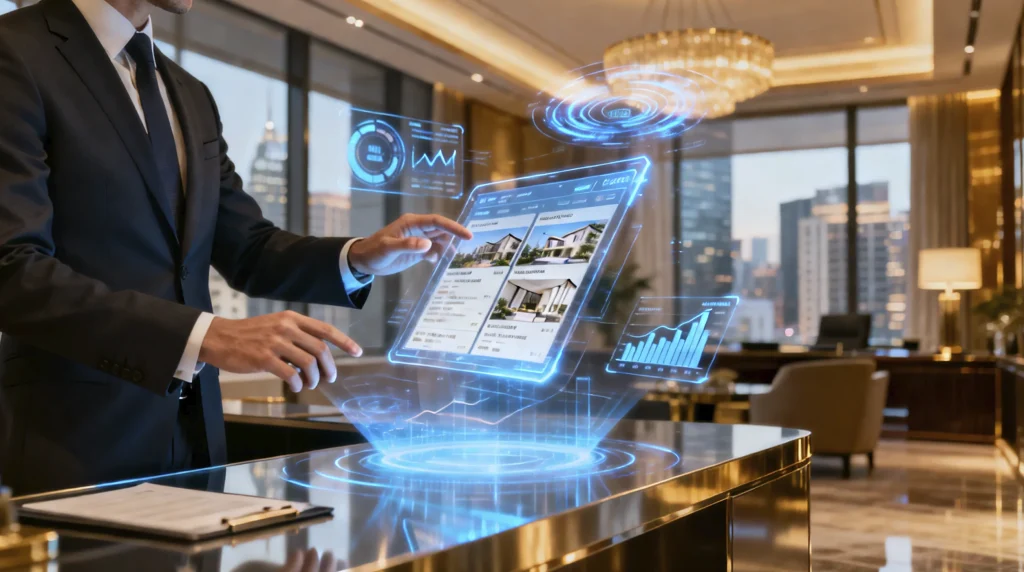
Artificial intelligence is not science fiction anymore. It’s a daily tool in modern real estate marketing.
Predictive Analytics and Smart Targeting
AI analyzes:
- Buyer behavior
- Search history
- Demographic data
- Budget patterns
This allows marketers to predict who is most likely to purchase. Instead of advertising to everyone, campaigns target qualified prospects.
For example, platforms like Zillow use machine learning algorithms to suggest properties based on user behavior.
AI Chatbots and Automated Lead Nurturing
Chatbots answer questions 24/7. They:
- Schedule viewings
- Provide property details
- Pre-qualify buyers
- Collect contact information
This improves response time and increases lead conversion rates.
Immersive Technology: Virtual Tours and Augmented Reality
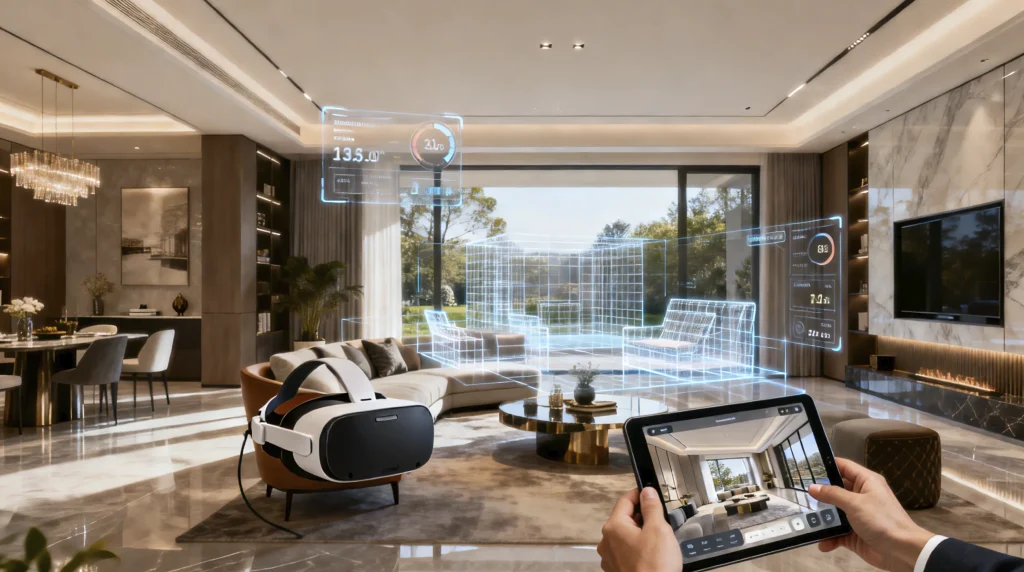
Buyers want to explore properties from anywhere in the world.
3D Walkthrough Experiences
3D virtual tours allow buyers to “walk” through a home using a phone, laptop, or VR headset. They can:
- Zoom into details
- Measure room sizes
- Visualize layouts
- Explore at their own pace
This reduces unnecessary site visits and saves time.
Augmented Reality for Property Visualization
AR technology lets buyers visualize:
- Furniture placement
- Renovation possibilities
- Color changes
- Structural modifications
It turns imagination into reality.
Data-Driven Decision Making
Data is the backbone of Property Marketing 5.0.
Market Intelligence and Consumer Behavior Analysis
Professionals analyze:
- Property demand trends
- Price fluctuations
- Neighborhood growth data
- Buyer preferences
Websites like Realtor.com provide market insights that guide pricing and positioning strategies.
Performance Tracking and ROI Optimization
Modern dashboards track:
- Click-through rates
- Conversion rates
- Cost per lead
- Engagement levels
Campaigns can be adjusted instantly based on performance.
Social Media and Content Marketing in Property Marketing 5.0
Social media is more than just posting photos.
Short-Form Video Strategy
Platforms like Instagram and TikTok favor short, engaging videos.
Effective videos include:
- Before-and-after renovations
- Neighborhood highlights
- Quick property tours
- Market updates
Video increases trust and visibility.
Influencer and Community Marketing
Local influencers and community partnerships help:
- Expand reach
- Build credibility
- Create authentic engagement
Buyers trust recommendations from familiar faces.
Personalization at Scale
Email Automation and CRM Integration
Modern CRM systems send personalized emails based on:
- Budget range
- Location preference
- Buying stage
This keeps leads warm and engaged.
Dynamic Website Experiences
Websites now adapt in real-time. Returning visitors see:
- Similar listings
- Personalized recommendations
- Recently viewed properties
This improves user experience dramatically.
Branding in the Era of Property Marketing 5.0
Branding builds emotional connection.
Emotional Storytelling in Real Estate
Instead of saying:
“3-bedroom house for sale.”
Say:
“Imagine waking up to sunrise views and weekend barbecues in your private backyard.”
Storytelling makes properties memorable.
Building Trust Through Transparency
Trust is everything. Clear pricing, virtual documentation, and verified reviews strengthen credibility.
According to research from National Association of Realtors, buyers prioritize trustworthy agents over low commission fees.
Omnichannel Marketing Strategy in Property Marketing 5.0
In today’s digital world, buyers don’t follow a straight line. They move back and forth between platforms. They might see a property on social media, visit the website later, check reviews, and then call the agent. That’s why Property Marketing 5.0 depends heavily on an omnichannel approach.
An omnichannel strategy connects every marketing channel into one smooth experience. No gaps. No confusion. Just consistency.
Combining Offline and Online Touchpoints
Even in a tech-driven era, offline marketing still matters. The key is integration.
For example:
- A QR code on a “For Sale” sign that links to a 3D tour
- A print brochure connected to a personalized landing page
- An open house supported by digital retargeting ads
When online and offline marketing work together, conversion rates improve significantly. A buyer who sees a property multiple times across different channels feels more familiar and confident.
Seamless Buyer Journey Mapping
Mapping the buyer journey means understanding each step:
- Awareness
- Interest
- Consideration
- Decision
- Post-purchase engagement
Property Marketing 5.0 ensures smooth transitions between each stage. For example, after someone downloads a brochure, they automatically receive:
- Follow-up emails
- Retargeting ads
- Personalized property suggestions
This reduces friction and increases trust.
The Importance of Sustainability Marketing
Today’s buyers care about more than just price and size. They care about sustainability.
Eco-friendly homes are no longer a luxury — they are a priority.
Eco-Friendly Features as Selling Points
Properties with sustainable features stand out. Examples include:
- Solar panels
- Smart thermostats
- Energy-efficient windows
- Water-saving systems
These features reduce long-term costs and increase resale value.
Green Certifications and Market Value
Certifications such as LEED or energy efficiency ratings increase credibility. According to studies referenced by the U.S. Green Building Council, green-certified buildings often achieve higher market value.
Sustainability is not just good for the planet — it’s good for business.
Challenges in Implementing Property Marketing 5.0
While powerful, Property Marketing 5.0 isn’t without challenges.
Technology Costs and Learning Curve
Advanced tools can be expensive. Smaller agencies may struggle with:
- AI software subscriptions
- Virtual tour equipment
- CRM system upgrades
There’s also a learning curve. Teams need training to maximize results.
Data Privacy and Compliance
With more data comes more responsibility. Privacy laws such as GDPR require:
- Secure data storage
- Clear consent forms
- Transparent communication
Failure to comply can result in heavy fines and reputational damage.
Trust and compliance must go hand in hand.
The Future of Property Marketing 5.0
The future looks exciting. Technology continues to evolve, and Property Marketing 5.0 will grow with it.
Smart Cities and IoT Integration
Smart cities use Internet of Things (IoT) devices to collect data about traffic, energy use, and safety. Real estate marketers can highlight:
- Smart lighting systems
- Security automation
- Energy monitoring tools
Buyers increasingly prefer connected living spaces.
Hyper-Personalized Real Estate Experiences
Imagine visiting a website where:
- Listings adjust to your income bracket
- Neighborhood suggestions match your lifestyle
- Mortgage options are pre-calculated
That’s where Property Marketing 5.0 is heading — a fully personalized digital ecosystem.
Frequently Asked Questions (FAQs)
1. What makes Property Marketing 5.0 different from traditional marketing?
Property Marketing 5.0 combines AI, immersive technology, automation, and personalization. Traditional marketing relied mainly on print ads and static listings.
2. Is Property Marketing 5.0 only for large real estate companies?
No. While large firms may adopt it faster, small agencies can implement parts of it, such as virtual tours and CRM automation.
3. How does AI improve real estate sales?
AI analyzes buyer behavior, predicts interest, and automates communication. This increases conversion rates and reduces manual workload.
4. Are virtual tours necessary in modern real estate?
Yes. Virtual tours allow remote buyers to explore properties anytime. They save time and improve engagement.
5. Does sustainability really impact property value?
Absolutely. Energy-efficient and eco-friendly properties often sell faster and at higher prices.
6. What tools are essential for starting with Property Marketing 5.0?
Basic tools include:
- A CRM system
- Social media automation software
- Virtual tour platforms
- Data analytics dashboards
Start small and scale gradually.
Conclusion: Why Property Marketing 5.0 is the Future
The real estate industry is no longer just about listings. It’s about experiences.
Property Marketing 5.0 blends technology with human creativity. It uses AI for smarter targeting. It uses immersive tools for better visualization. It uses data for precision. And most importantly, it uses storytelling to build trust.
In a competitive market, those who adapt thrive. Those who resist fall behind.
The future belongs to professionals who embrace innovation while maintaining authenticity.
If you want to dominate modern real estate, the path is clear: adopt Property Marketing 5.0, refine your strategy, and never stop evolving.
The revolution isn’t coming — it’s already here.