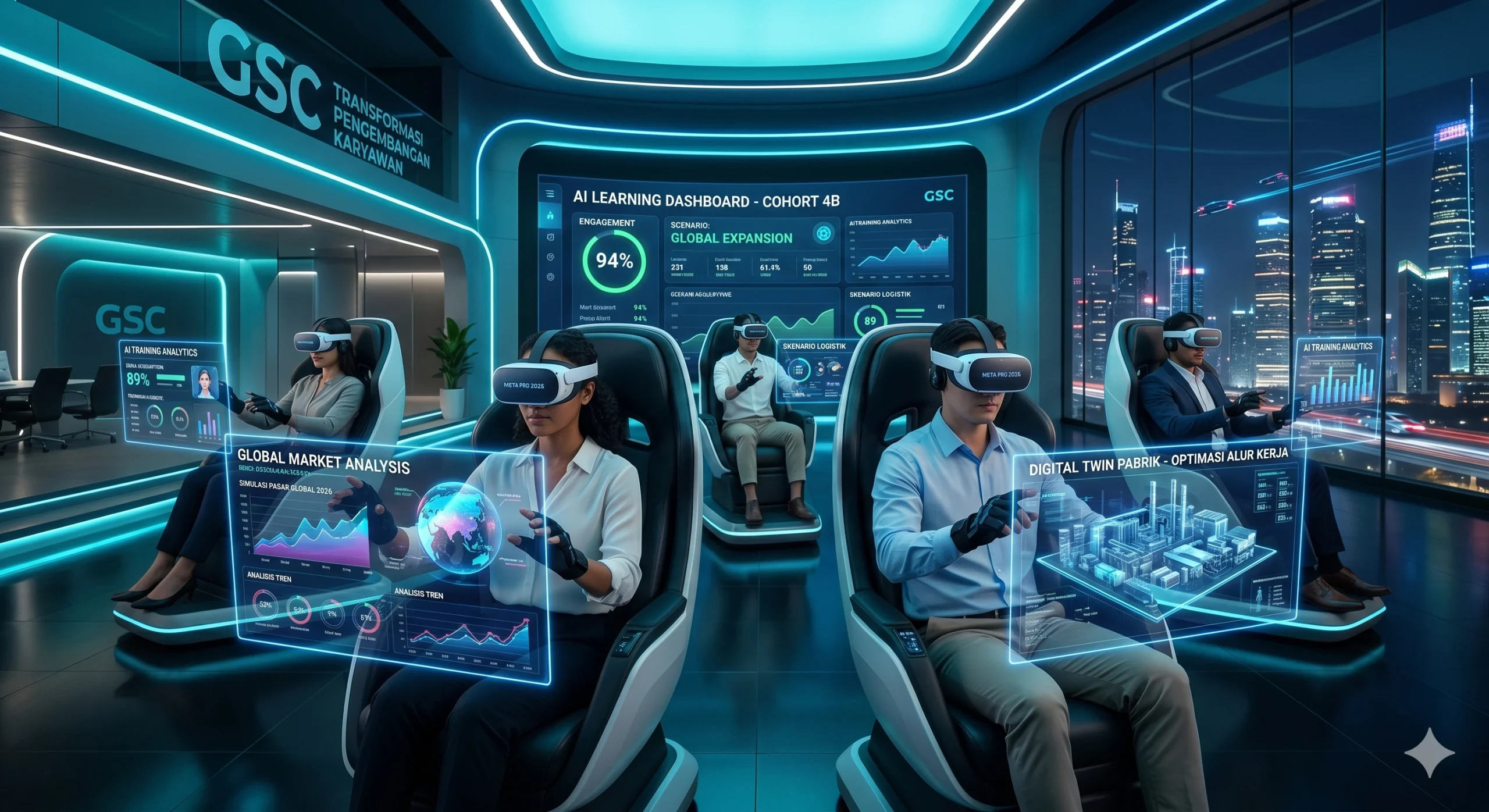
Museums guard history, art, and culture. But today’s audiences expect more than static displays. They want participatory, emotional, and memorable experiences.
That’s where immersive technology comes in. Tools like augmented reality (AR), virtual reality (VR), spatial audio, and interactive projections are turning museums into dynamic storytelling spaces. Artifacts no longer sit behind glass. They speak, move, and connect with visitors through digital resurrection.
In this article, we explore the most effective immersive technology solutions for museums—solutions that deepen understanding, future-proof engagement, and make history feel alive.
1. Why Museums Are Moving Beyond Glass Cases

For decades, museums focused on preservation. Visitors observed—from a distance.
But digital natives now dominate audiences. They expect interactivity, personalization, and on-demand content. Museums must evolve—or risk losing relevance.
Immersive tech bridges conservation and connection. It adds context, not distraction.
Take the Smithsonian or the Louvre. They use digital layers to show how a Roman vase was used—or how a dinosaur moved. These aren’t gimmicks. They’re emotionally resonant narratives grounded in scholarship.
Post-pandemic, museums also need flexible engagement. VR tours, AR apps, and 360° galleries extend reach globally—without sacrificing depth.
The result?
- Longer visitor dwell times
- Deeper emotional bonds
- Stronger educational impact
Museums no longer ask, “How many came?” They ask, “How deeply were they moved?”
2. VR and AR: Restoring Context to Artifacts
Virtual Reality (VR) fully immerses users in recreated worlds.
Augmented Reality (AR) overlays digital content onto the real world.
Both restore what time has erased.
The Anne Frank House uses VR to reconstruct the 1942 annex—complete with ambient sounds and diary narration. The Natural History Museum in London brings T. rex to life with scientifically accurate movement and skin.
AR enhances physical exhibits. The Cleveland Museum of Art uses its ArtLens app to show bronze casting techniques. The Acropolis Museum digitally reunites scattered Parthenon friezes.
These tools also boost accessibility:
- Real-time sign language avatars
- Audio descriptions via object recognition
- Remote VR field trips for rural schools
But success depends on integration—not novelty. Technology must serve the story, not overshadow it.
Comparison of Immersive Technologies for Museums
| Technology | Best For | Cost | Setup | Engagement | Accessibility |
|---|---|---|---|---|---|
| VR | Deep narrative journeys | –$ | Moderate–High | Very High | High |
| AR | Enhancing exhibits via mobile | –$ | Low–Moderate | High | Very High |
| MR | Interactive holograms | $ | High | Very High | Moderate |
| Projection Mapping | Large-scale storytelling | –$ | Moderate | High | Moderate |
| Spatial Audio | Ambient storytelling | –$ | Low–Moderate | Medium–High | High |
Cost: = <$10K, $= 10K–$50K, $$ = >$50K
3. Interactive Projections & Holograms: Touchless, Dynamic Storytelling

These technologies offer hands-free immersion—ideal for hygiene, accessibility, and intuitive interaction.
Projection mapping turns walls and floors into living canvases. At the Museum of the Future (Dubai), footfalls ripple through digital rivers. The POLIN Museum recreates 17th-century Kraków with ambient sound and motion.
Holograms add lifelike presence. The Holocaust Memorial Museum uses AI-powered holograms of survivors who answer visitor questions in real time.
Both are inclusive:
- No devices needed
- Safe for children and seniors
- Low physical demand
But they require careful planning—especially lighting and spatial design.
Projections vs. Holograms: Key Differences
| Feature | Interactive Projections | Holographic Displays |
|---|---|---|
| Use Case | Environmental storytelling | Lifelike figures/objects |
| Space | Flexible (walls, floors) | Dedicated zones |
| Cost | $10K–$100K+ | $50K–$250K+ |
| Best For | Temporary exhibits, lobbies | Permanent memorials, VIP experiences |
4. Spatial Audio & Multi-Sensory Design
Sound shapes memory. Spatial audio places sounds in 3D space—just like real life.
At the National WWII Museum, visitors hear naval battles shift around them as they walk.
Pair audio with:
- Scent diffusion (e.g., incense, gunpowder)
- Haptic floors (vibrations for earthquakes)
- Thermal airflow (cool for Arctic scenes)
These create embodied learning—especially powerful for visually impaired visitors.
And the best part? Many spatial audio systems use visitors’ own smartphones via Bluetooth beacons—keeping costs low.
5. Choosing the Right Tech: Budget, Audience & Mission
Start with your audience, not the tech.
- Children’s museum? Prioritize motion-based AR.
- Research museum? Invest in high-fidelity VR.
- Small heritage site? Use smartphone-based AR apps.
Budget tiers:
- Low ($5K–$20K): AR apps, spatial audio beacons
- Mid ($20K–$100K): Projection mapping, tablet-guided tours
- High ($100K+): Custom VR, volumetric holograms
Always factor in long-term costs: software updates, staff training, maintenance.
Pilot first. Test with short-term pop-ups. Measure:
- Dwell time
- App downloads
- Visitor feedback
And never forget: accessibility is non-negotiable.
Transform Your Museum with Proven Immersive Tech
Ready to bring your exhibits into the future?
Cebirra has extensive experience implementing the most effective immersive technology solutions for museums—from AR and VR to spatial audio and interactive projections.
Our team of cultural technologists, historians, and UX designers ensures every digital layer enhances your mission—never overshadows it.
Contact Cebirra today for a consultation. Create experiences that are inclusive, memorable, and deeply human.