In an era dominated by digital noise, immersive brand activations have emerged as the gold standard for connecting with consumers. Unlike traditional advertisements, these experiences allow participants to step inside a brand’s world. Consequently, the most successful campaigns do more than just display products; they create memories that demand to be shared. This guide explores the professional strategies required to design experiences that captivate audiences and dominate social media feeds.
The Psychology Behind Immersive Brand Activations
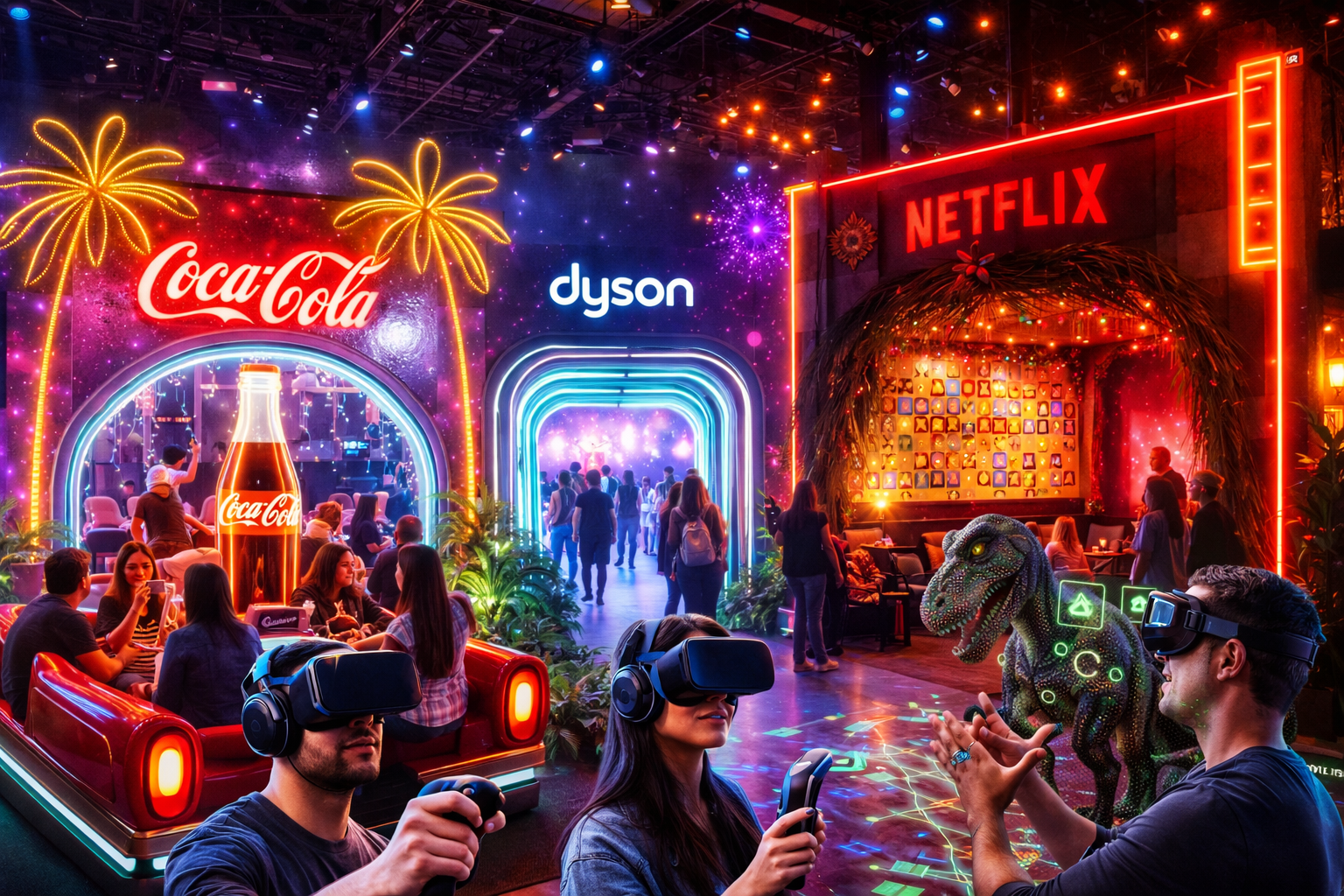
Successful engagement begins with understanding how humans process experiences. Immersive brand activations succeed because they stimulate multiple senses. When a consumer touches, smells, or interacts with an installation, the brain forms a stronger neural connection than it would through a screen.
- Sensory Stimulation: Incorporate tactile elements and ambient soundscapes.
- Emotional Resonance: Design the journey to trigger specific feelings like joy or wonder.
- Active Participation: Move the visitor from being an observer to being a protagonist.
Designing for Social Shareability
If an event happens and no one posts it on Instagram, did it really happen? To go viral, your activation must be inherently photogenic. Use high-end lighting and unique architectural forms to create ‘Instagrammable’ moments.
Furthermore, consider the narrative. People share stories, not just images. If your activation tells a compelling story, visitors will use their social media platforms to narrate that experience to their followers. This organic reach is the primary driver of virality.
Key Elements for Virality:
- Unique Aesthetics: Use bold colors and unconventional materials.
- Exclusivity: Create a sense of FOMO (Fear Of Missing Out) through limited-time engagements.
- Seamless Integration: Make it easy for users to tag the brand and use specific hashtags.
Leveraging Cutting-Edge Technology
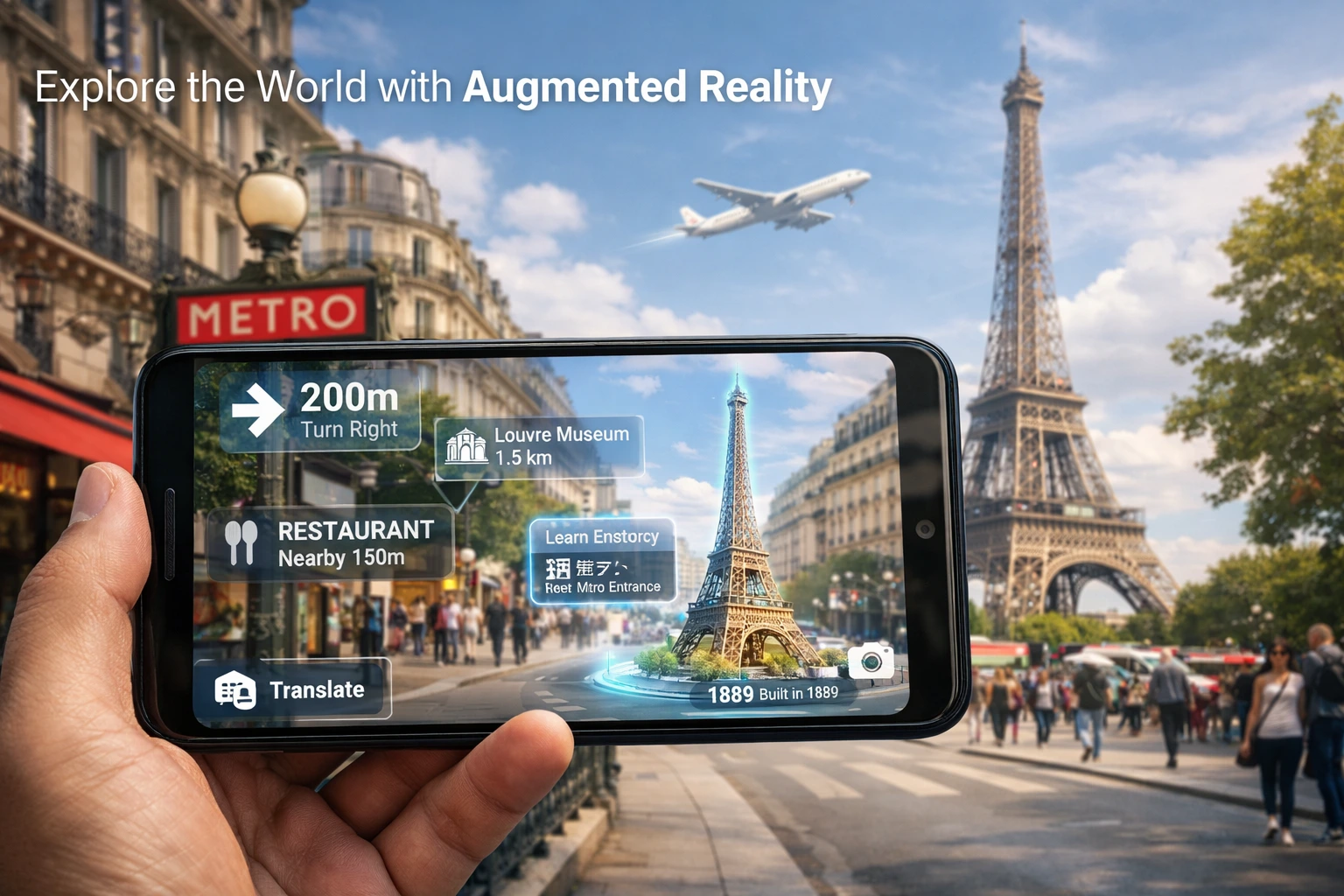
Technology should enhance the experience, not distract from it. Professionals are increasingly using Augmented Reality (AR) and Virtual Reality (VR) to bridge the gap between the physical and digital worlds. For instance, an AR overlay can provide hidden information about a product, adding a layer of gamification to the event.
Moreover, interactive displays that respond to motion or touch encourage physical interaction. These technological touches make the brand feel forward-thinking and sophisticated, which is essential for high-end market positioning.
Crafting a Narrative Journey
Every professional activation needs a beginning, a middle, and an end. Start with a grand entrance that sets the tone. The middle should offer the peak emotional or sensory experience. Finally, the exit should provide a clear call to action or a physical memento.
By structuring the activation as a journey, you ensure that visitors remain engaged from start to finish. This flow prevents bottlenecks and ensures that every guest receives the full value of the brand story.
Measuring the Impact
While virality is often measured in likes and shares, professional marketers look deeper. Analyze the Return on Experience (ROE) by tracking sentiment, foot traffic, and post-event sales conversion. Did the activation change how people perceive the brand? Use these insights to refine future campaigns and ensure long-term growth.
Conclusion
Designing immersive brand activations that go viral requires a blend of artistic vision and strategic execution. By focusing on sensory engagement, shareability, and narrative flow, you can create a masterpiece that resonates far beyond the physical space. Start planning your next activation today and turn your brand into a living, breathing experience.
Frequently Asked Questions (FAQ) – Immersive Brand Activations with VR & AR
What are immersive brand activations?
Immersive brand activations are interactive marketing experiences that engage audiences through multi-sensory elements such as visuals, sound, and technology like VR (Virtual Reality) and AR (Augmented Reality).
How do VR and AR enhance brand activations?
VR and AR create highly engaging and memorable experiences by allowing users to interact with digital environments or overlay digital elements onto the real world, increasing user engagement and brand recall.
What industries benefit from immersive brand activations?
Industries such as retail, automotive, real estate, entertainment, tourism, and technology greatly benefit from immersive activations to attract and engage customers.
What is the difference between VR and AR in marketing?
VR provides a fully virtual experience using headsets, while AR enhances the real-world environment by overlaying digital content through smartphones or AR glasses.
Are immersive brand activations effective for increasing conversions?
Yes, immersive experiences can significantly boost engagement, emotional connection, and ultimately conversions by creating memorable interactions with the brand.
What equipment is needed for VR and AR activations?
VR activations require headsets, controllers, and sometimes motion sensors, while AR typically requires smartphones, tablets, or AR-enabled devices.
How much does an immersive activation cost?
Costs vary depending on complexity, technology, and scale. Simple AR activations are more affordable, while full VR experiences with custom environments require higher investment.
Can immersive activations be used for events and exhibitions?
Absolutely. VR and AR are widely used in exhibitions, trade shows, and events to attract visitors and provide unique interactive experiences.
How long does it take to develop a VR or AR activation?
Development timelines typically range from 2 weeks to several months depending on the complexity, features, and customization required.
Why should brands invest in immersive experiences?
Immersive experiences help brands stand out, increase engagement, improve brand perception, and create shareable moments that amplify marketing reach.