The landscape of brand engagement is shifting rapidly. As we look forward, understanding the experiential marketing trends 2026 is vital for any brand seeking a competitive edge. Today, consumers demand more than passive advertisements; they seek meaningful, memorable interactions. Consequently, the industry is moving toward a fusion of advanced technology and deep human connection. This article explores the innovations that will define the next chapter of marketing.
1. Hyper-Personalization via Generative AI
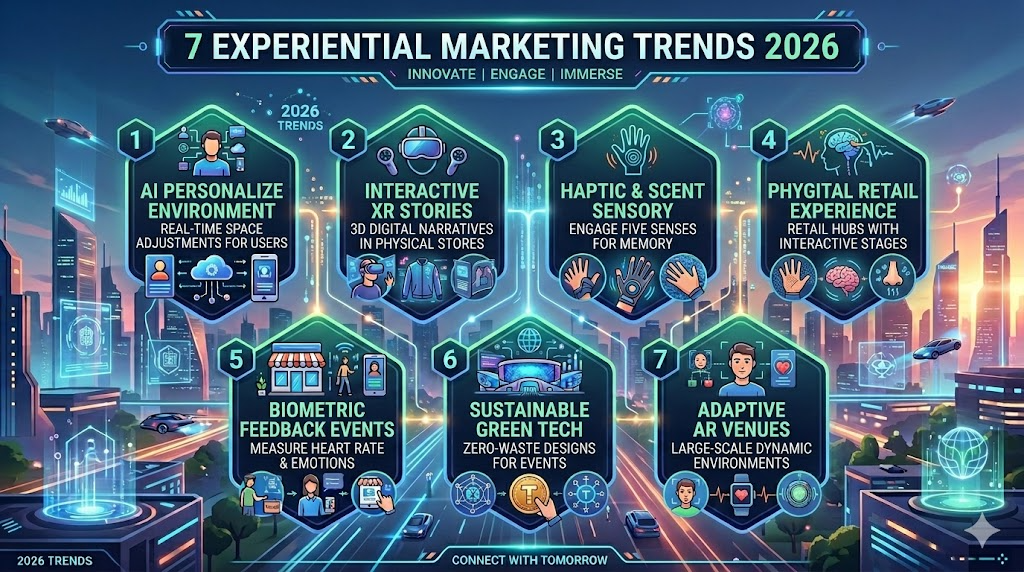
Artificial intelligence has evolved beyond simple chatbots. By 2026, generative AI will power real-time environmental changes. Imagine walking into a brand activation where the lighting, music, and digital displays adjust instantly based on your preferences. Hyper-personalization ensures that no two visitors have the same experience. This level of customization fosters a profound emotional bond between the consumer and the brand.
2. The Rise of Blended Realities (XR)
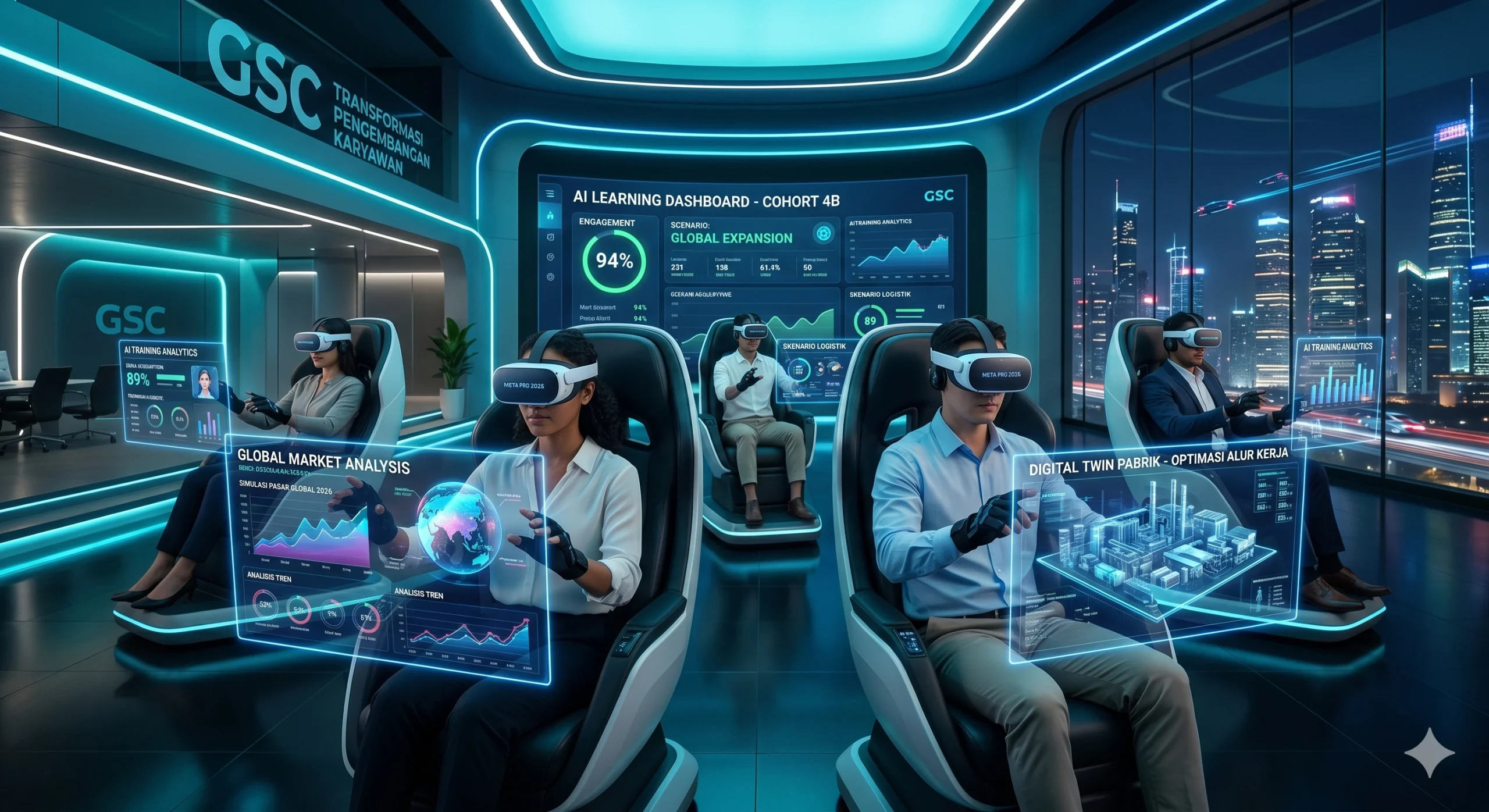
While Virtual Reality (VR) and Augmented Reality (AR) were once standalone novelties, they are now converging. Extended Reality (XR) will become a seamless part of the physical world. In 2026, brands will use lightweight wearables to overlay digital narratives onto physical flagship stores. These blended realities allow customers to interact with product stories in 3D without losing touch with the physical environment.
3. Radical Sustainability and Circular Activations
Modern consumers are increasingly eco-conscious. Therefore, experiential marketing in 2026 will prioritize radical sustainability. This means moving beyond ‘greenwashing’ to zero-waste event designs. Brands will utilize modular, biodegradable materials and digital-first displays to reduce physical footprints. Circular activations demonstrate a brand’s commitment to the planet while providing high-impact visual aesthetics.
4. Multi-Sensory Branding 2.0
Visuals and sound are no longer enough. The next wave of experiential marketing focuses on haptic and olfactory senses. Brands will use scent-infusion technology and tactile surfaces to create a holistic sensory environment. By engaging all five senses, marketers can trigger stronger memory recall. This multi-sensory approach transforms a simple product demo into an unforgettable journey.
5. The Phygital Evolution of Retail
The boundary between physical and digital commerce is disappearing. Retail spaces are evolving into ‘experience hubs’ rather than mere points of sale. In 2026, expect to see stores that function as interactive stages where the purchase is a secondary byproduct of the engagement. This phygital evolution allows brands to gather data while providing the tactile satisfaction of in-person shopping.
6. Token-Gated Community Experiences
Blockchain technology will find its true calling in community building. In 2026, brands will use digital tokens to grant access to exclusive, decentralized events. This creates a sense of scarcity and belonging. These token-gated experiences reward loyal fans with unique opportunities, effectively turning customers into brand ambassadors who are deeply invested in the community’s success.
7. Real-Time Biometric Feedback
To measure the success of an event, marketers are turning to biometrics. By 2026, anonymous facial recognition and heart-rate monitoring will help brands gauge emotional responses in real-time. If an audience appears bored, the experience can pivot instantly to re-engage them. Using biometric feedback allows for a data-driven approach to creativity that ensures maximum impact.
Conclusion
The future of marketing is immersive, intelligent, and incredibly personal. By embracing these experiential marketing trends 2026, brands can create lasting connections that transcend traditional advertising. The key to success lies in the balance between cutting-edge technology and authentic human values.
Partner with Cebirra
Are you ready to lead the future of brand engagement? Cebirra is an immersive technology company dedicated to helping clients achieve growth through cutting-edge solutions. From XR integration to hyper-personalized brand activations, we provide the tools you need to captivate your audience. Contact Cebirra today to transform your vision into an immersive reality.
What is the most significant experiential marketing trend for 2026?
Hyper-personalization powered by Generative AI is expected to be the most significant trend, allowing brands to tailor environments to individual consumers in real-time.
How does XR differ from traditional AR or VR?
Extended Reality (XR) is an umbrella term that blends physical and digital worlds seamlessly, often using wearables to create a more integrated experience than standalone VR or AR.
Why is biometric feedback becoming popular in marketing?
Biometric feedback allows marketers to measure real-time emotional responses, such as joy or engagement, providing data-driven insights to optimize live experiences immediately.