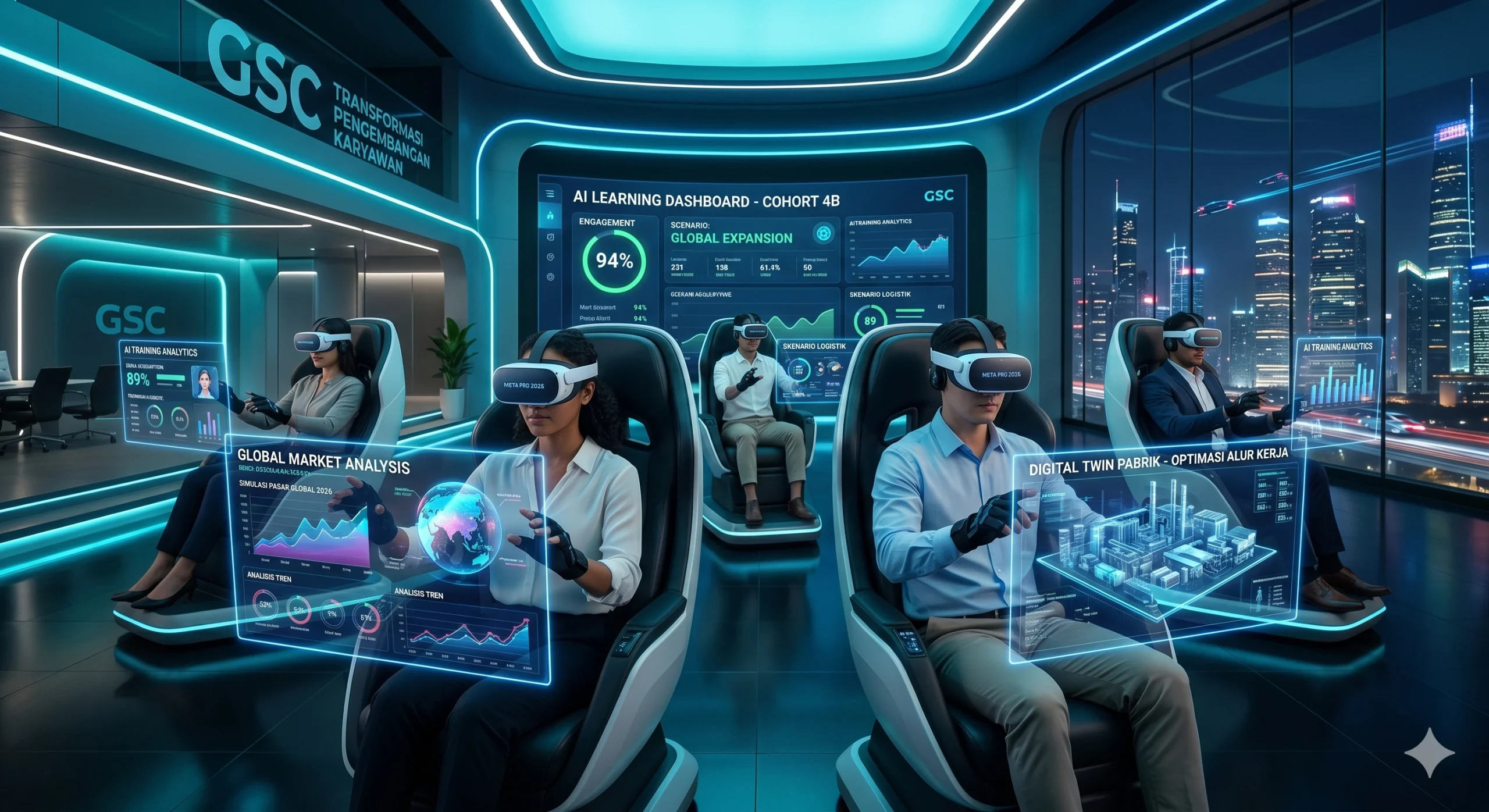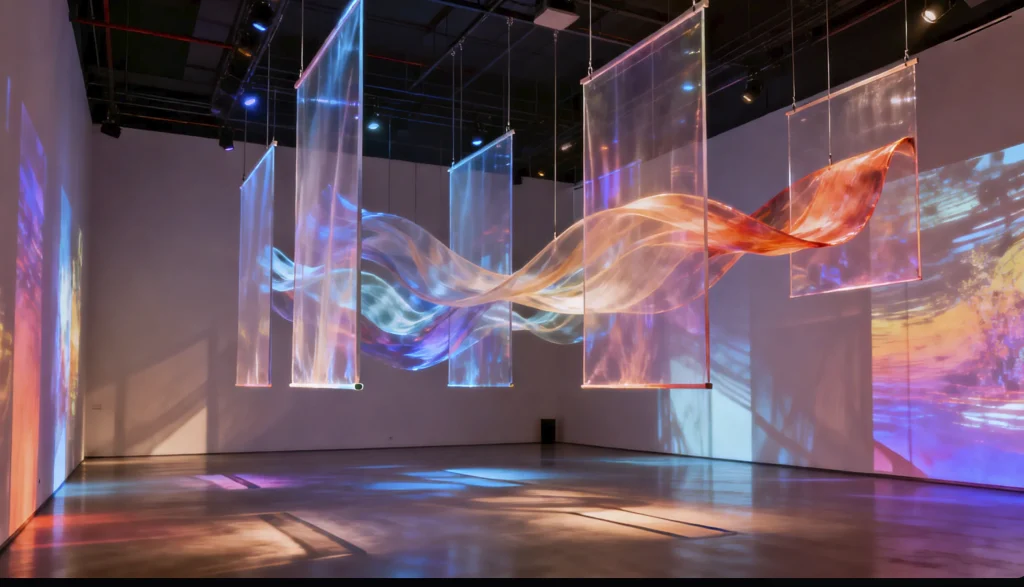
In recent years, immersive art installation has revolutionized the way people experience creativity. Instead of simply looking at art on a wall, visitors now step inside the artwork itself. They interact with light, sound, projections, and digital landscapes that surround them completely. This transformation has reshaped museums, galleries, retail spaces, and public events around the world.
So, what exactly makes immersive experiences so powerful? Why are millions of visitors drawn to these installations each year? And how is technology shaping the future of creative environments?
Let’s explore everything you need to know about immersive art installations—past, present, and future.
What Is an Immersive Art Installation?
An immersive art installation is a large-scale artistic environment designed to fully engage the viewer’s senses. Unlike traditional art exhibitions, where audiences observe from a distance, immersive installations invite participation. Visitors walk through, touch, listen, and sometimes even influence the artwork.
These experiences often combine:
- Visual projections
- Surround sound
- Interactive digital elements
- Sculptural design
- Light and shadow manipulation
- Motion sensors
The goal? To make the viewer part of the art itself.
Core Elements of Immersive Experiences
Immersive installations rely on several key components:
- Space Transformation – Walls, floors, and ceilings become canvases.
- Lighting Design – Dynamic lighting creates mood and movement.
- Soundscapes – Music and ambient noise deepen emotional impact.
- Technology Integration – Projection mapping, AR, VR, and AI enhance interaction.
When combined, these elements create unforgettable environments that stimulate multiple senses at once.
How It Differs from Traditional Art Exhibitions
Traditional exhibitions are typically passive experiences. You observe a painting or sculpture and move on. In contrast, immersive art installations are participatory. You don’t just see art—you experience it.
This shift represents a broader cultural change toward experiential engagement rather than observation.
The Evolution of Immersive Art Installation Through History
While immersive art feels modern, its roots stretch back decades.
Early Experimental Art Movements
In the 1960s and 1970s, artists began experimenting with installation art and performance art. They challenged traditional gallery formats by creating environments rather than standalone pieces.
These pioneers laid the groundwork for what would eventually evolve into immersive experiences.
The Digital Revolution in Art Spaces
The real transformation came with digital technology. Projection mapping, motion tracking, and virtual reality allowed artists to expand beyond physical materials.
Museums and collectives like teamLab began pushing boundaries with digital interactive exhibits that responded to human movement.
Technology turned imagination into dynamic, living spaces.
Why Immersive Art Installations Are So Popular Today
Immersive experiences have exploded in popularity over the past decade. But why?
The Instagram Effect
Let’s be honest—shareable content matters. Immersive environments are visually stunning and perfect for social media. Visitors love capturing photos and videos inside these dreamlike spaces.
Platforms like Instagram have amplified demand for visually captivating environments.
Emotional and Psychological Impact
Immersive art installations create emotional resonance. Studies in experiential design show that multi-sensory environments enhance memory retention and emotional connection.
Instead of remembering a painting briefly, visitors remember how they felt inside the artwork.
That emotional depth keeps people coming back.
Technology Powering Modern Immersive Art Installations
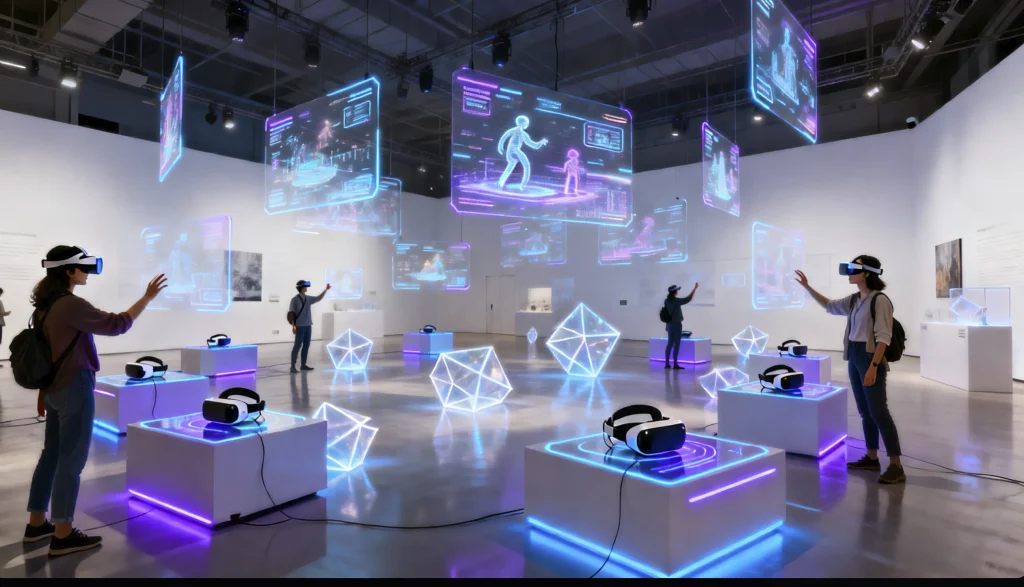
Technology is the engine behind immersive creativity.
Projection Mapping and 360° Displays
Projection mapping transforms plain surfaces into animated storytelling spaces. Walls ripple like oceans. Floors bloom like gardens.
These visual illusions blur the line between physical and digital.
Virtual and Augmented Reality
VR headsets transport visitors to alternate worlds. AR overlays digital elements onto physical environments.
Together, they expand storytelling possibilities dramatically.
Artificial Intelligence in Art
AI systems can adapt visuals in real time based on audience movement or behavior. This creates personalized experiences unique to each visitor.
The result? No two visits are exactly the same.
Famous Immersive Art Installation Experiences Worldwide
Several groundbreaking experiences have captured global attention.
teamLab Borderless
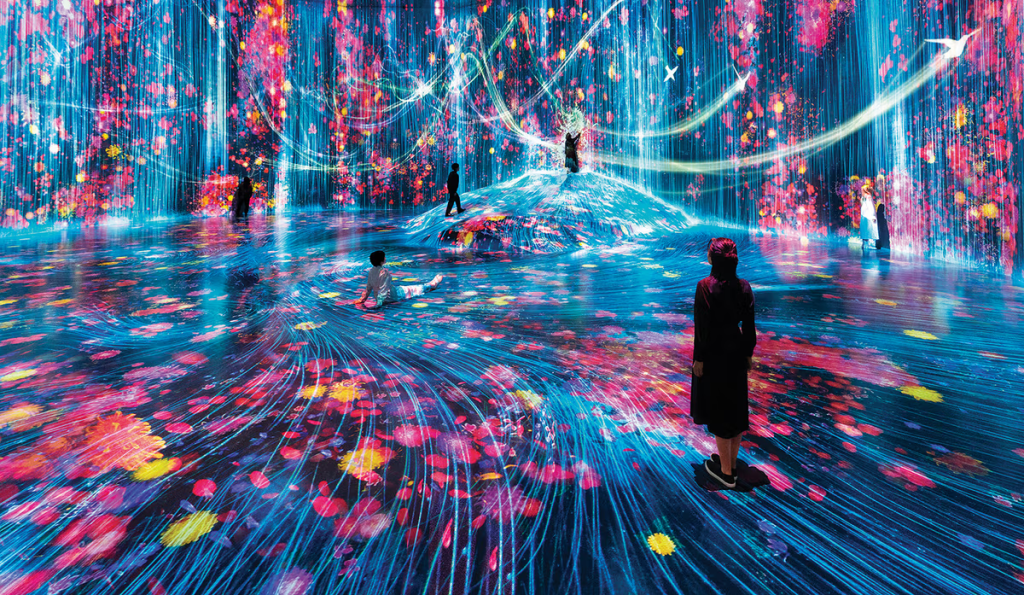
Located in Tokyo, teamLab Borderless redefined digital art museums. Rooms flow into one another without boundaries, and projections respond to human touch.
It’s a living, breathing art ecosystem.
Meow Wolf
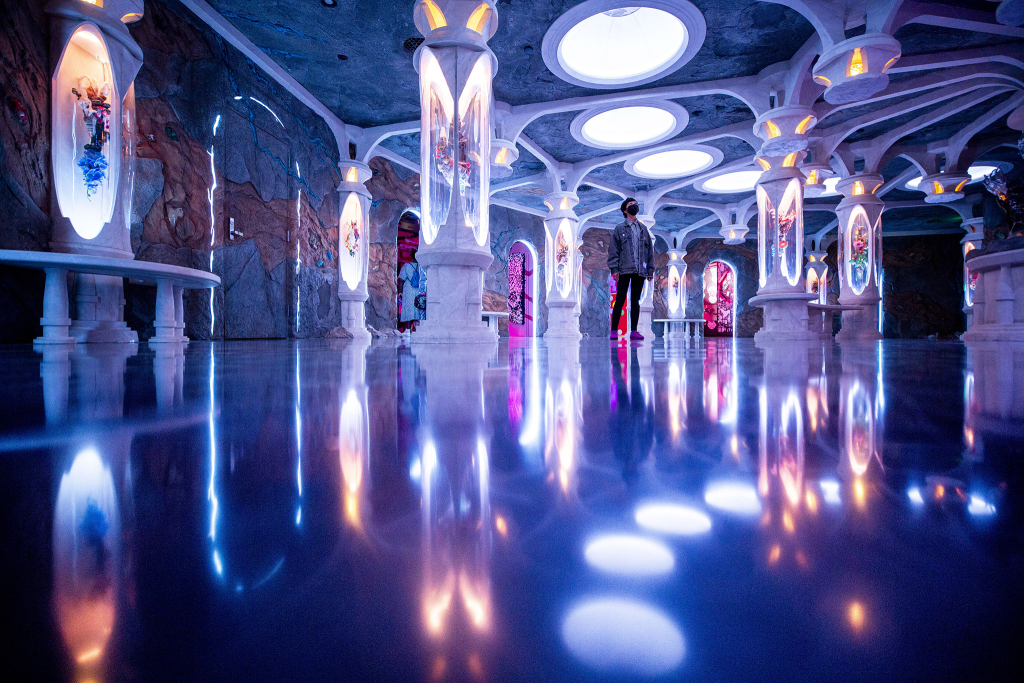
Meow Wolf creates narrative-driven immersive spaces filled with hidden passages and interactive storytelling.
Each installation feels like stepping into a sci-fi novel.
Van Gogh Immersive Experience
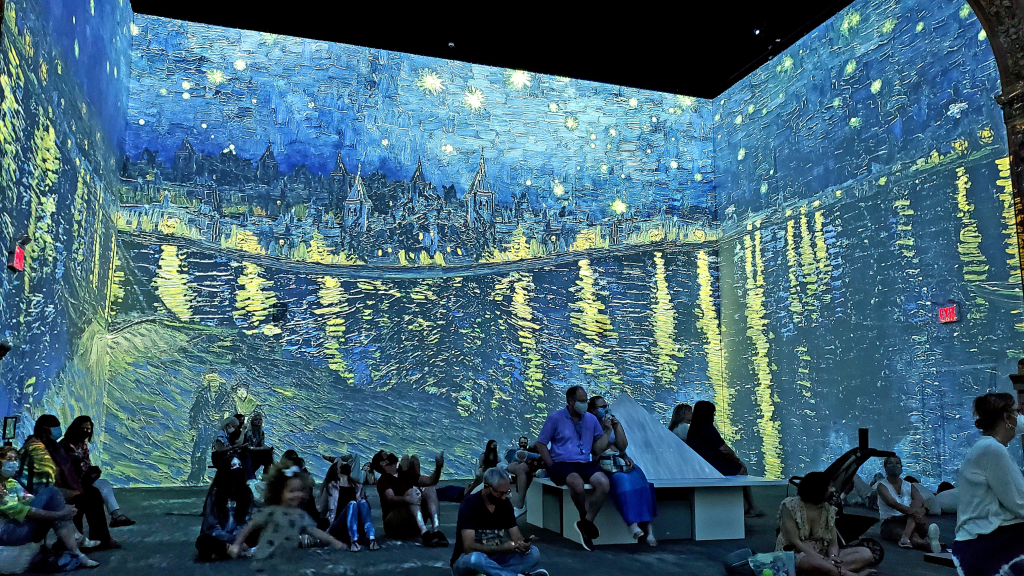
The digital reinterpretation of Vincent van Gogh’s paintings allows visitors to walk inside “Starry Night” and other masterpieces.
It’s classical art reborn through modern technology.
For more insights on experiential design trends, visit the official website of the International Council of Museums at https://icom.museum.
HNI Universe Immersive Experience
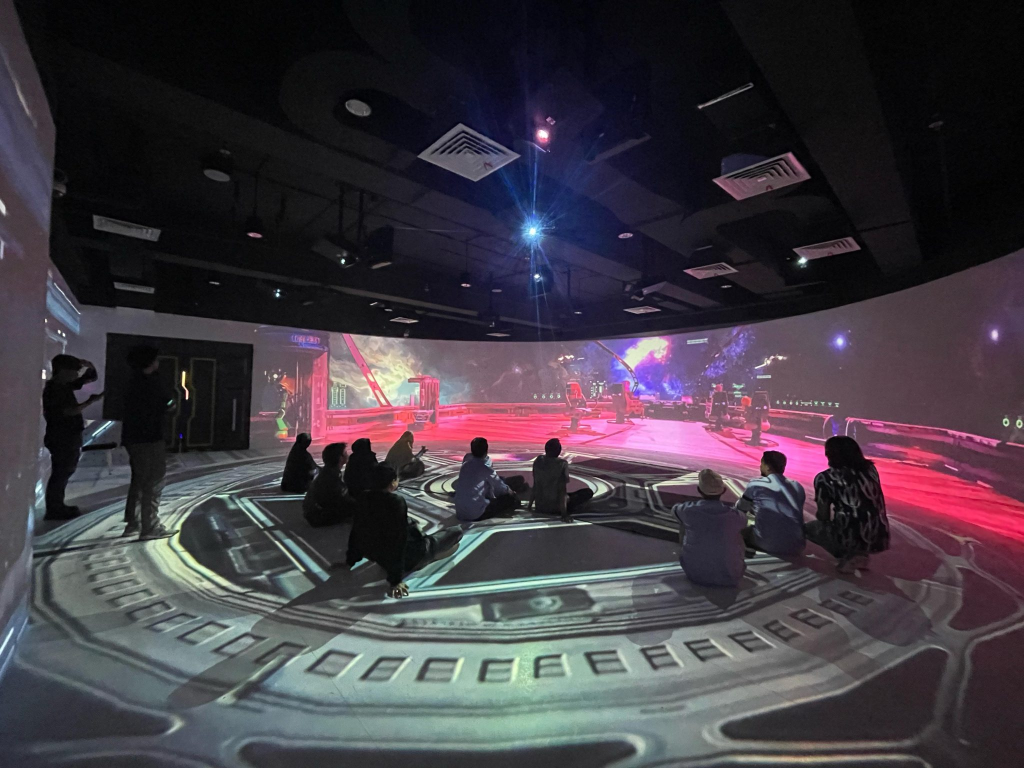
HNI Universe by Cebirra is the first spacecraft-themed immersive experience in East Jakarta designed for all ages. It utilizes 360° projection mapping, interactive installations, and physical activities that seamlessly blend with futuristic visuals and storytelling.
Designing an Immersive Art Installation
Creating an immersive environment requires strategic planning.
Concept Development and Storytelling
Every successful installation begins with a strong narrative. Artists must ask:
- What story am I telling?
- What emotions should visitors feel?
- How will technology enhance the message?
Without a cohesive concept, the experience feels disconnected.
Space, Lighting, and Sound Design
Spatial design guides visitor movement. Lighting directs attention. Sound sets the mood.
All three must work in harmony to create seamless immersion.
Business and Commercial Value of Immersive Installations
Immersive experiences aren’t just artistic—they’re profitable.
Retail and Experiential Marketing
Brands use immersive environments to create unforgettable product launches and pop-up experiences.
Interactive storytelling increases dwell time and brand recall.
Museums and Cultural Institutions
Museums adopting immersive strategies report increased attendance and younger audiences.
It’s a smart move for cultural sustainability.
Educational Benefits of Immersive Art Installations
Immersive learning environments enhance comprehension and engagement. Students absorb information better when surrounded by interactive visuals and sound.
Imagine learning about space inside a 360-degree galaxy projection. That’s powerful education.
Challenges in Creating Immersive Installations
Despite their benefits, immersive projects face obstacles:
- High production costs
- Technical complexity
- Equipment maintenance
- Accessibility considerations
However, as technology becomes more affordable, these challenges are gradually decreasing.
The Future of Immersive Art Installation
The future looks incredibly exciting.
Emerging trends include:
- Metaverse-integrated exhibitions
- Sustainable materials
- AI-driven personalization
- Hybrid physical-digital events
As technology evolves, immersive art installations will become even more interactive and emotionally intelligent.
Frequently Asked Questions
1. What is an immersive art installation?
It is an interactive artistic environment designed to engage multiple senses simultaneously.
2. How long does it take to create one?
Large-scale projects can take months or even years to design and build.
3. Are immersive installations expensive?
Yes, they can be costly due to technology and spatial requirements.
4. Can small businesses use immersive art?
Absolutely. Even small-scale pop-ups can create impactful experiences.
5. Is immersive art suitable for children?
Yes, many installations are family-friendly and educational.
6. What technology is most commonly used?
Projection mapping, sound design systems, motion sensors, VR, and AI are common tools.
Conclusion
The rise of immersive art installation marks a dramatic shift in modern creativity. No longer confined to walls and frames, art now surrounds us. It responds to us. It moves with us.
From digital museums to retail spaces, immersive environments are redefining how we connect with creativity. As technology continues to evolve, these experiences will only grow more dynamic, inclusive, and emotionally powerful.
In a world hungry for meaningful experiences, immersive art installations aren’t just a trend—they’re the future of artistic expression.