In the high-stakes world of experiential marketing and event production, “good” is no longer good enough. Audiences today crave immersion. They demand experiences that are shareable, memorable, and technically dazzling. Enter projection mapping—the ultimate tool for turning static surfaces into dynamic storytelling canvases.
If you are actively searching for projection mapping ideas that will set your brand apart, you have arrived at the right place. As of 2025, the global projection mapping market has surged to an estimated valuation of $6.66 billion, with forecasts predicting a rocket-ship trajectory to $17.82 billion by 2030 (Source: Mordor Intelligence). This isn’t just a trend; it is a fundamental shift in how we consume visual content. Companies investing in innovative projection mapping ideas are seeing higher engagement rates and stronger brand recall.
Whether you are planning a corporate gala, a product launch, or a retail activation, this comprehensive guide will walk you through the most persuasive and innovative projection mapping ideas to captivate your audience and maximize your event ROI.
Why Projection Mapping Ideas are Non-Negotiable in 2026
Before diving into specific tactics, it is crucial to understand why this technology is a powerhouse. Traditional signage and static backdrops are passive. Projection mapping is active. It transforms architecture, objects, and stages into living entities. When you implement creative projection mapping ideas you transform the environment itself.
The ROI of Immersion
Statistics show that immersive experiences significantly boost brand recall. In 2024, the events sector accounted for over 41% of the projection mapping market share (Source: SNS Insider). Why? Because projection mapping creates “Instagrammable” moments that extend your event’s reach far beyond the physical venue. When attendees share a video of a building crumbling into digital bricks or a wedding cake changing colors in real-time, they become your most valuable marketing channel.
1. Dynamic Stage Design: Kill the Static Backdrop
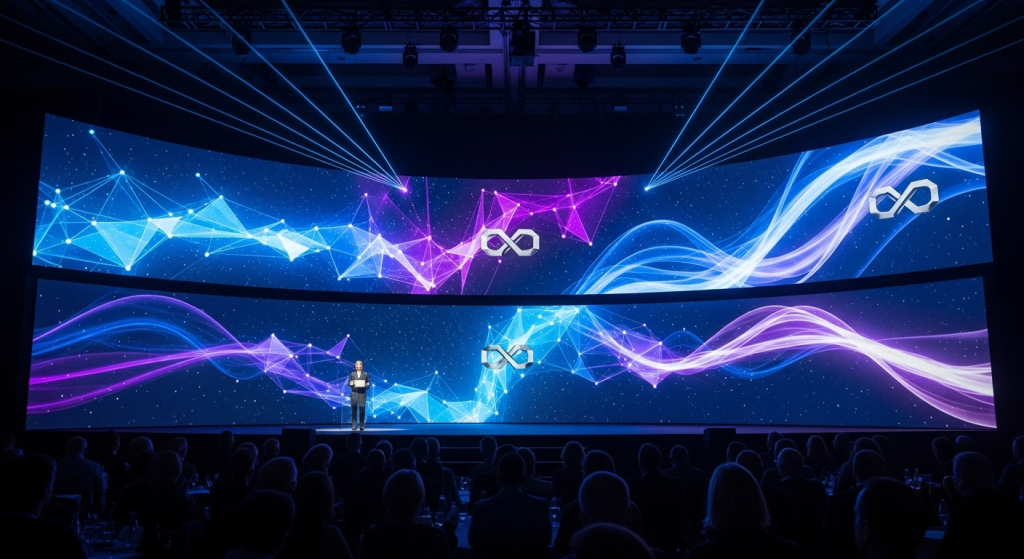
One of the most impactful projection mapping ideas for corporate events is the dynamic stage. Gone are the days of printing expensive vinyl backdrops that end up in a landfill. Instead, event planners are using light to create versatile environments.
The Concept: Use white, geometric stage sets as a canvas. By mapping visuals onto these shapes, you can change the entire look of the stage for every speaker.
The Application: Imagine a tech conference where the stage looks like a futuristic server room for the CTO’s speech, then instantly morphs into a lush, green forest for the Sustainability Officer’s keynote. This keeps the audience visually stimulated and reinforces the theme of each session without a single physical set change. These types of projection mapping ideas not only save on material costs but also keep the audience’s attention focused on the content.
2. Immersive Dining: The “Le Petit Chef” Effect
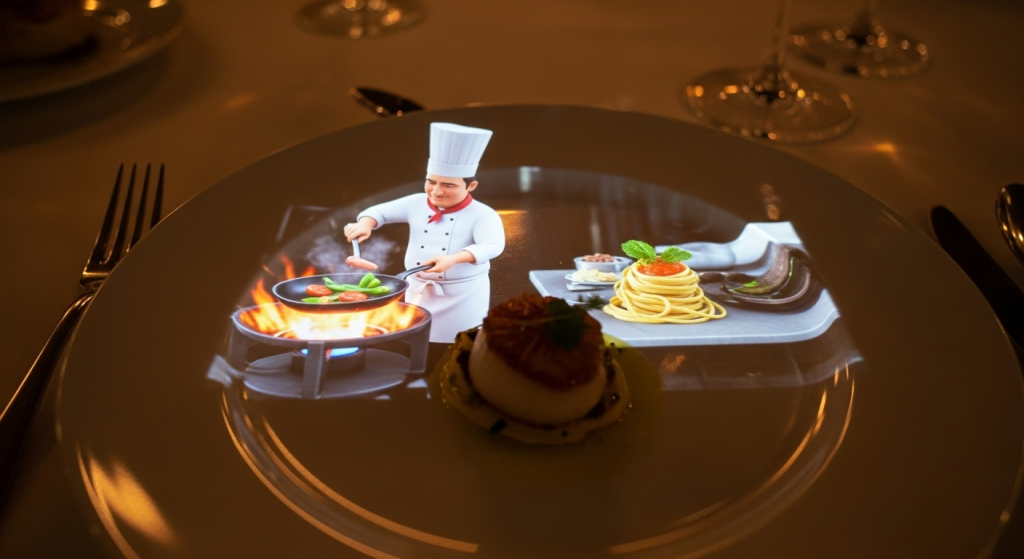
The hospitality industry is witnessing a revolution through 3D projection mapping. Dining is no longer just about taste; it is about the story. Restaurants and caterers are adopting **projection mapping ideas** to turn meals into theatrical performances.
The Concept: Overhead projectors map animations directly onto the dinner table and plates.
The Application: Inspired by the famous “Le Petit Chef” experiences, you can animate a miniature chef cooking on the guest’s plate. Or, for a gala dinner, synchronize the table visuals with the course being served—cool blue ocean waves projecting onto the tablecloth during the seafood course, followed by fiery embers during the smoked steak main course.
The Stat: The immersive dining market is projected to reach $23.1 billion by 2033, driven by this exact type of “eatertainment” (Source: Growth Market Reports).
3. Product Launches: Mapping on 3D Objects
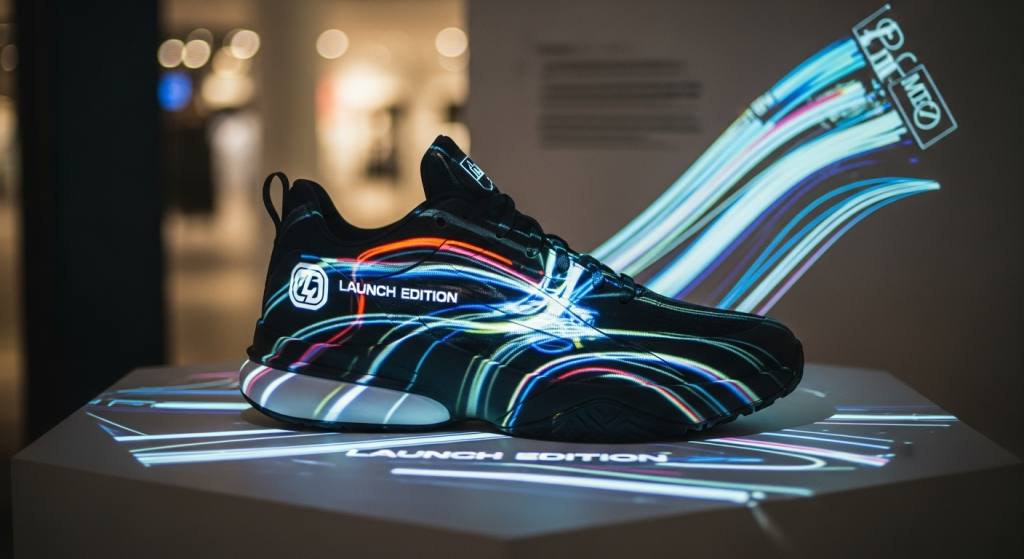
Flat screens are fine for PowerPoints, but they don’t sell physical products effectively. To truly highlight a new release, map the content onto the product itself. This is one of the most practical projection mapping ideas for retail and auto shows.
The Idea: If you are launching a new sneaker, place a pure white prototype on a pedestal. Use micro-projection mapping to cycle through every available colorway, texture, and design feature in real-time.
The Impact: This allows customers to see physical customization instantly. Car manufacturers have used similar projection mapping ideas effectively for years, projecting changing paint colors and engine mechanics onto a clay model of a vehicle. It turns a static display into a mesmerizing technical demo that drives sales conversations.
4. Interactive Retail Windows

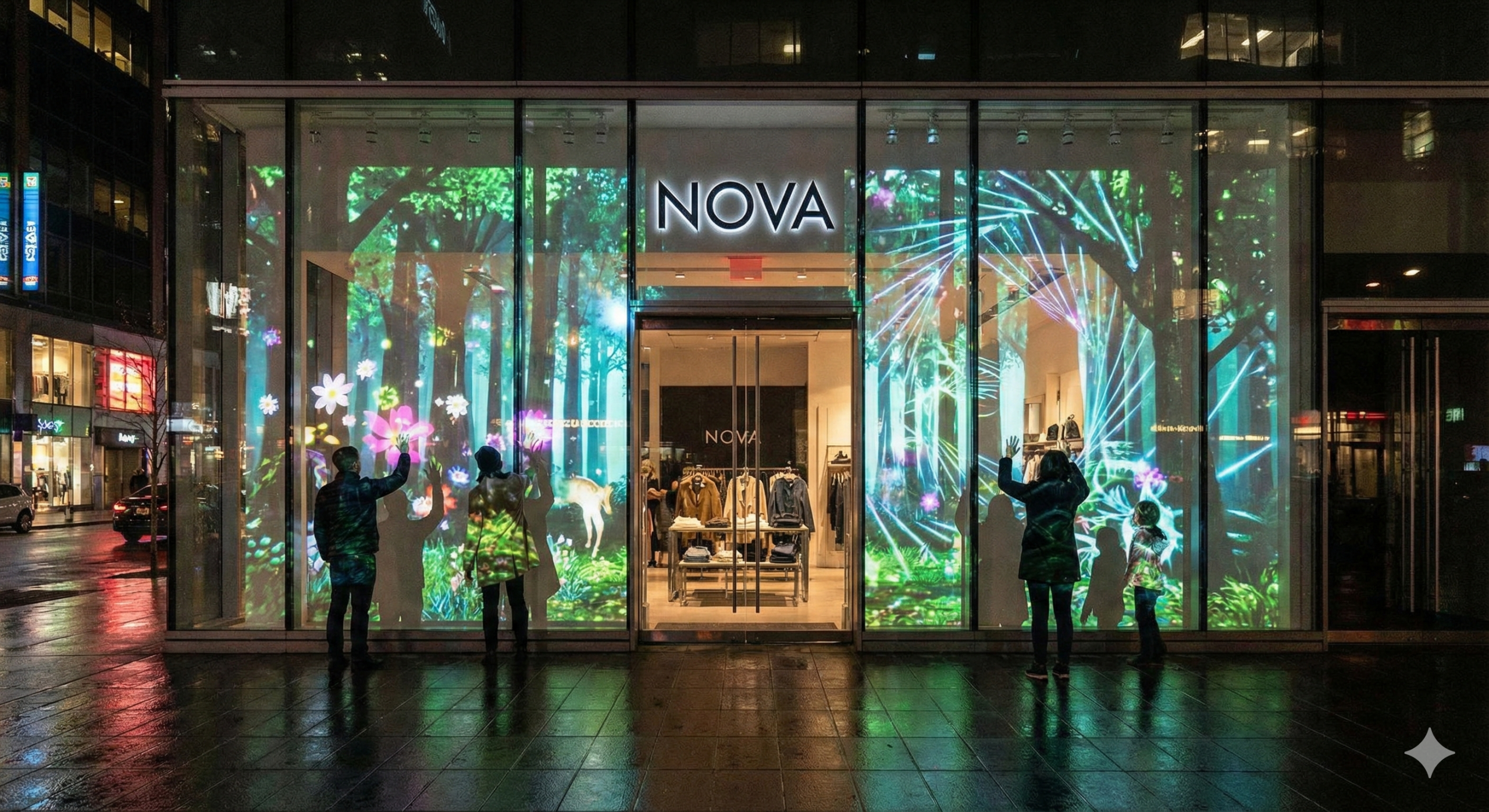
Retail foot traffic is a battle for attention. The best projection mapping ideas for retail focus on stopping the scroll—or in this case, the stroll. High-street brands are now using glass surfaces as interactive mediums.
The Concept: Transform your shop window into an interactive theater.
The Application: Use sensors to track passersby. As a person walks past your store, the mannequin in the window could “wave” at them, or the projected background could ripple like water in response to their movement. H&M and other major retailers have utilized similar tactics to turn store launches into viral city events. By integrating these interactive projection mapping ideas, stores can increase dwell time and footfall conversion.
5. The Wedding Cake Canvas
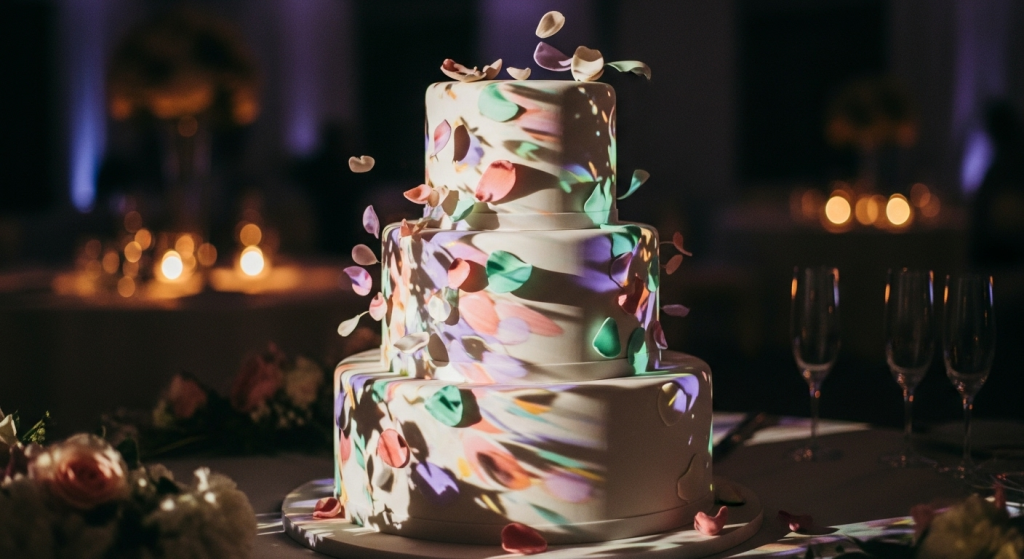
For social events, personalization is key. One of the most enchanting projection mapping ideas for weddings is cake mapping. It allows couples to tell their story in a sweet, visual format.
The Concept: A multi-tiered white wedding cake serves as the projection surface.
The Application: Instead of traditional icing decorations, the cake can display a slideshow of the couple’s photos, sparkling digital diamonds, or intricate floral patterns that move. It creates a stunning focal point during the reception and offers a level of customization that fondant simply cannot achieve. This is fast becoming one of the most requested projection mapping ideas in the luxury wedding sector.
6. Interactive Floors and Gamification
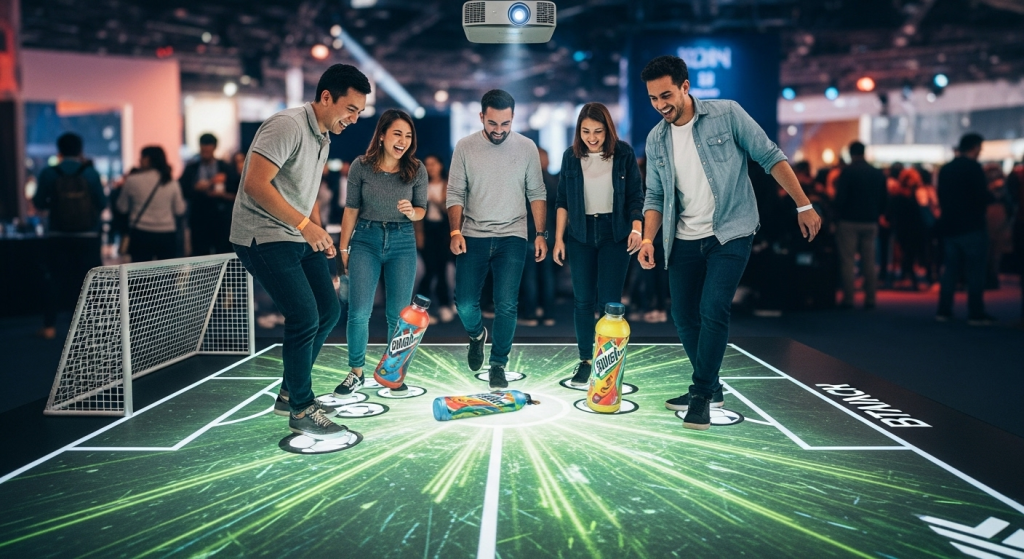
Engagement skyrockets when the audience becomes part of the show. Interactive floors are perfect for museums, waiting areas, and brand activations. When brainstorming projection mapping ideas for high-traffic areas, floor projection offers the highest engagement per square foot.
The Concept: Projectors mounted on the ceiling point down at the floor, paired with motion sensors.
The Application: Create a virtual soccer field where kids can kick a digital ball, or a “pond” where ripples appear as you step. For a corporate brand activation, gamify the experience: attendees could step on floating keywords to reveal brand values or unlock discount codes. These playful projection mapping ideas break the ice and encourage strangers to interact with the brand and each other.
7. Architectural Storytelling (The “Building Takeover”)
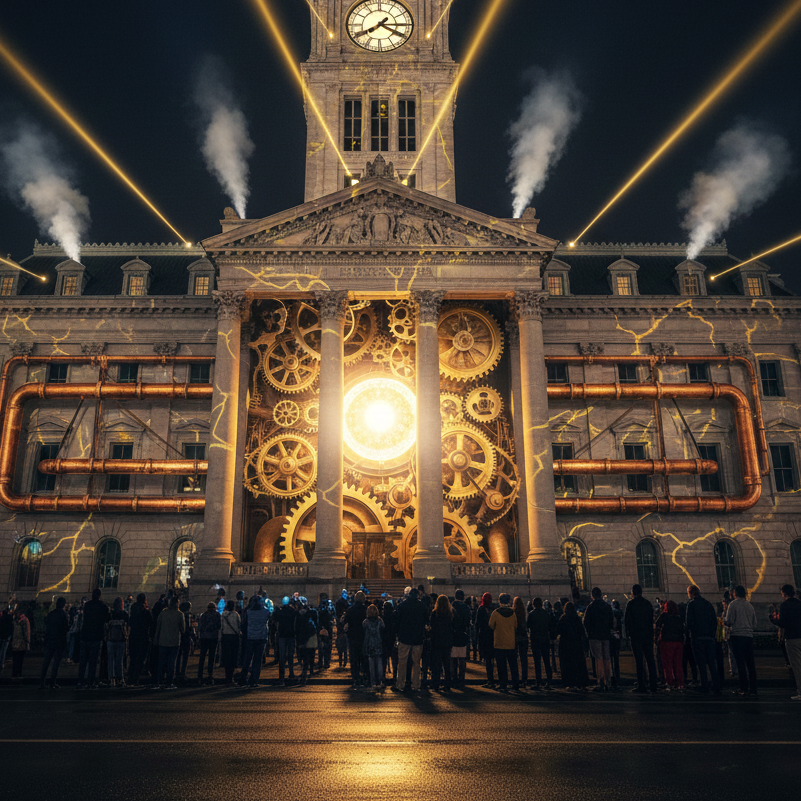
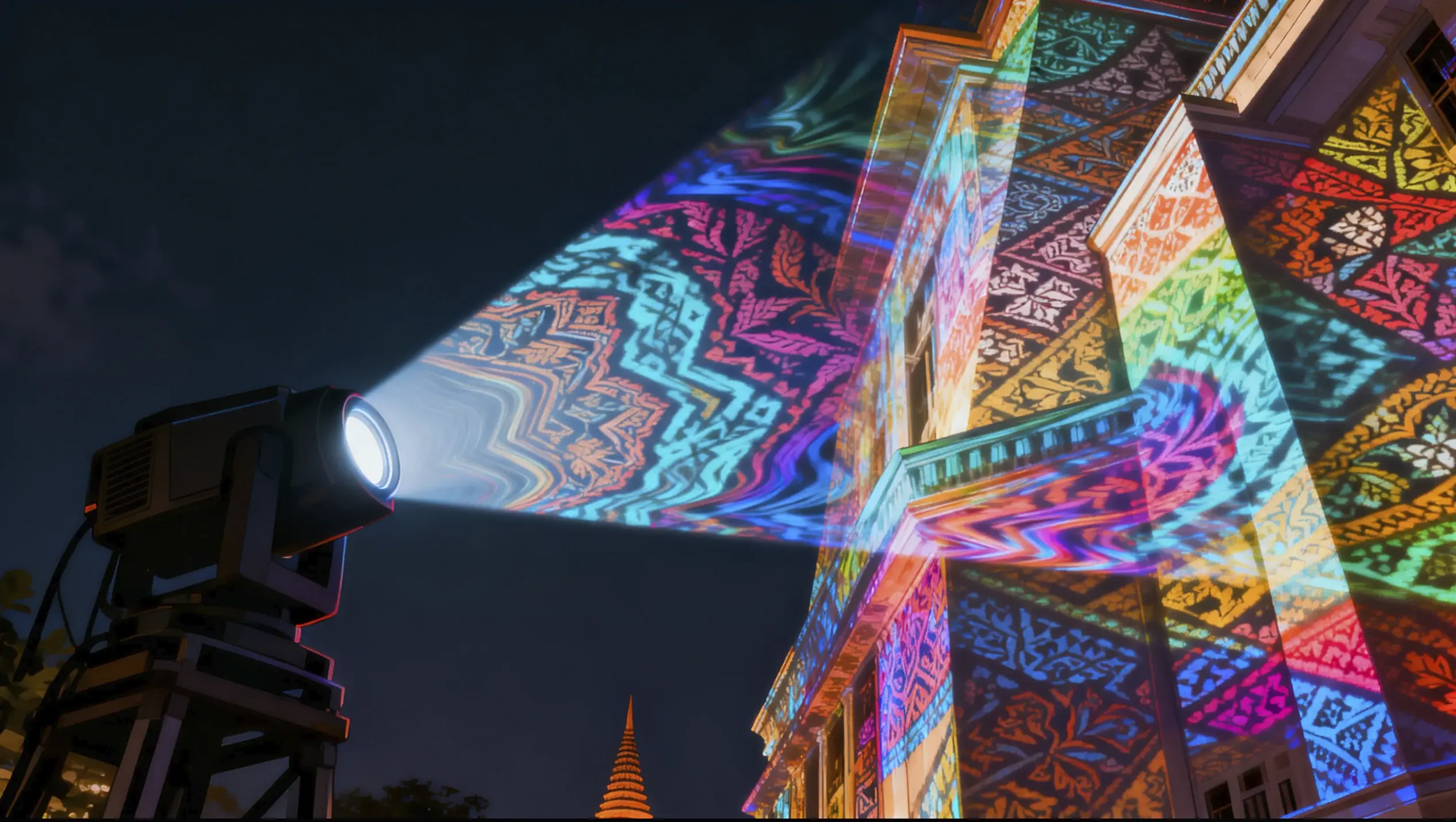
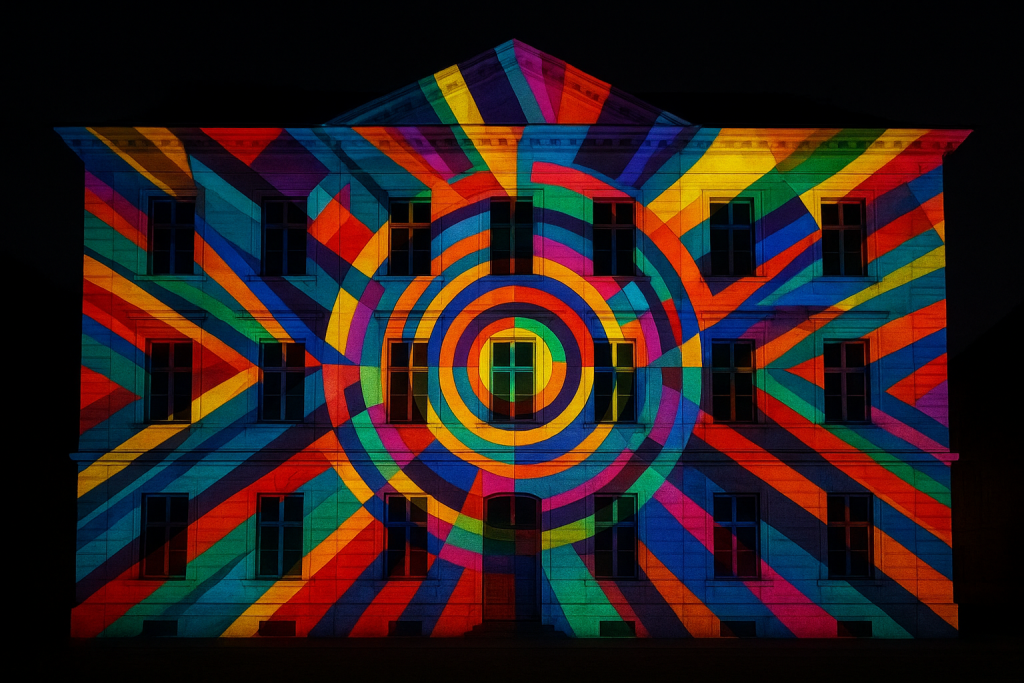
This is the granddaddy of projection mapping. While often associated with massive budgets, scalable technology is making it accessible for mid-sized events, too. Large-scale projection mapping ideas can transform cityscapes.
The Concept: Using high-lumen laser projectors to map the façade of a building.
The Application: Celebrate a company anniversary by projecting a timeline of the company’s history onto its headquarters. The building can appear to rotate, crumble, or be overgrown by vines. It turns the venue itself into the main character of your story. When executed correctly, architectural projection mapping ideas generate massive organic social media reach.
Future Trends: AI and Real-Time Rendering
Looking ahead to late 2025 and beyond, the integration of AI and real-time engines (like Unreal Engine) is the next frontier. We are moving away from pre-rendered loops toward live, generative content. The next generation of projection mapping ideas will be intelligent and reactive.
Real-Time Interactivity: Imagine a DJ set where the projection mapping reacts instantly to the beat and the crowd’s energy levels, generated on the fly by AI.
Cost Efficiency: With the price of laser projectors dropping and software becoming more user-friendly, the barrier to entry is lower than ever. This accessibility means we will see more creative projection mapping ideas appearing in smaller venues and pop-up shops.
Conclusion: Start Mapping Your Success
The era of passive observation is over. Your audience demands to be transported, and these projection mapping ideas offer the vehicle to take them there. Whether you are projecting onto a skyscraper or a dinner plate, the principle remains the same: light is your paint, and the world is your canvas.
By leveraging these strategies, you aren’t just organizing an event; you are orchestrating an experience that will resonate long after the projectors power down. As the market grows toward that $17 billion mark, the question isn’t if you should use projection mapping, but how creatively you can apply it. Implementing the right projection mapping ideas is the key to staying relevant in an experience-first economy.
Ready to elevate your next project? Start small with a creative object map or go big with a dynamic stage—just ensure you turn the lights down and the imagination up. Let Cebirra bring your immersive room to life—turn down the lights, and let the magic begin.