The High Stakes of Working at Height in Construction
The construction industry is the backbone of our infrastructure, but it also holds an unfortunate distinction as one of the most hazardous professions. Falls from height are a persistent and deadly threat. According to Injury Facts, an online statistical database from the National Safety Council, slips, trips, and falls were responsible for 421 construction worker deaths in 2023. Shockingly, the construction industry accounted for nearly half (47.8%) of all fatal falls, slips, and trips across all industries in the same year. For the 14th consecutive year in fiscal year 2024, Fall Protection – General Requirements was the most frequently cited OSHA standard, highlighting the ongoing struggle to mitigate these risks. These statistics underscore a critical need for more effective safety training. Traditional methods, while valuable, often fall short of preparing workers for the real-world pressures and dangers of working at elevation. This is where virtual reality (VR) is emerging as a game-changing solution.
What is VR Working at Height Training?
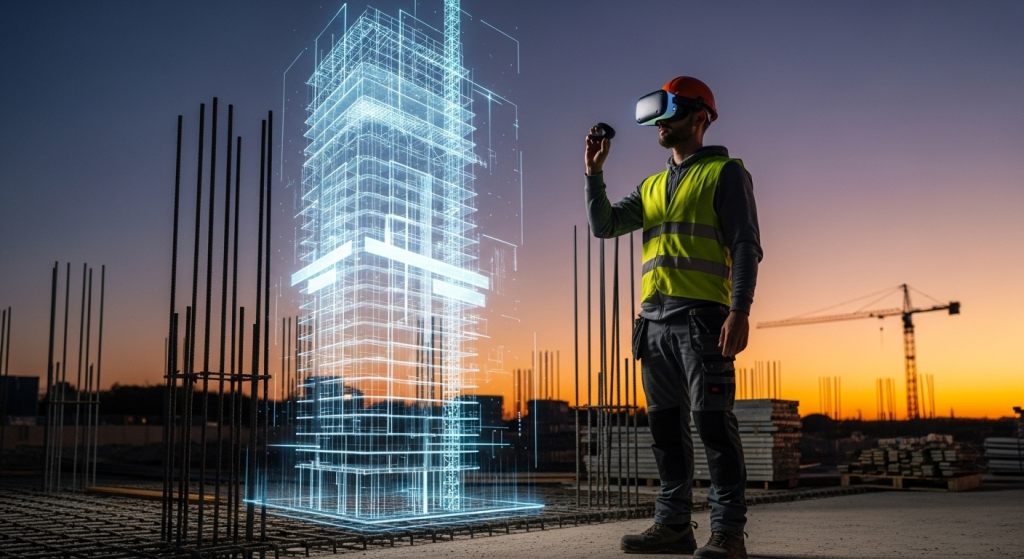
VR working at height training for construction utilizes immersive, computer-generated environments to simulate real-life scenarios. Trainees wear a VR headset and are transported to a virtual construction site where they can practice safety protocols for tasks like working on scaffolding, operating aerial lifts, or navigating rooftops without any physical danger. This technology allows workers to experience the visceral sensation of being at height, interact with virtual equipment, and learn to identify and respond to hazards in a controlled and safe setting.
The Transformative Benefits of VR Training in Construction
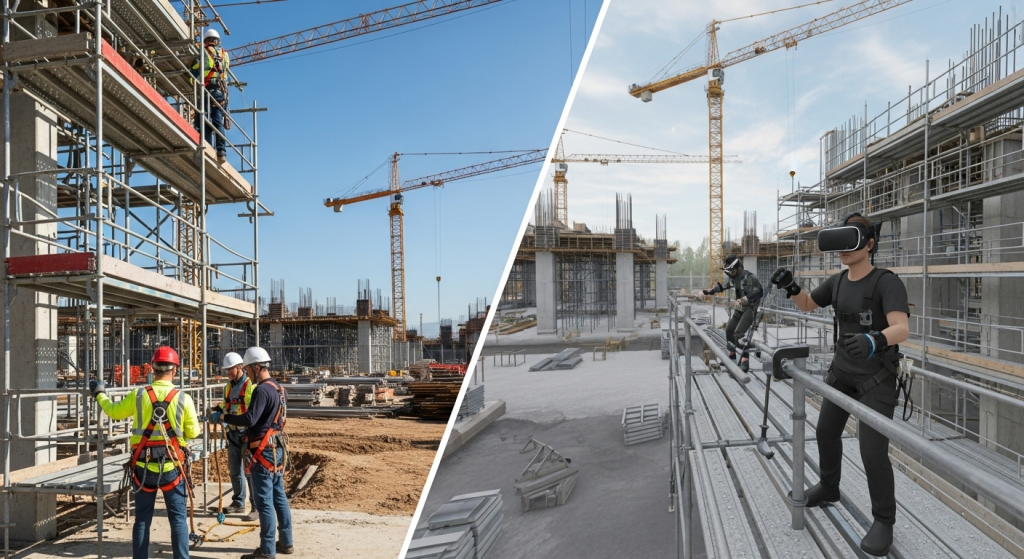
The adoption of VR for safety training is not just a technological trend; it’s a fundamental shift in how we prepare our workforce for high-risk environments. The benefits are numerous and well-documented:
Enhanced Safety and Risk Reduction
The most significant advantage of VR working at height training is the complete elimination of physical risk during the learning process. Trainees can experience simulated falls and equipment malfunctions, allowing them to practice emergency procedures, such as the correct use of a personal fall arrest system, without the fear of actual injury. This safe space for failure is invaluable, as it builds muscle memory and confidence that translates to real-world situations. One construction firm that implemented VR training for scaffolding safety saw a 40% reduction in on-site accidents within a year.
Improved Knowledge Retention and Engagement
Traditional classroom-based training can often be passive, leading to low engagement and poor knowledge retention. VR, on the other hand, is an active and immersive learning experience. Studies have shown that VR training can dramatically improve retention rates. For instance, a PwC study found that VR-trained employees were 275% more confident to act on what they learned after training compared to classroom learners. Learners in a virtual environment also learn faster. VR can cut training time by up to 40% compared to traditional methods. By engaging multiple senses and requiring active participation, VR creates a more memorable and impactful learning experience.
Realistic and Repeatable Scenarios
VR platforms can create a wide range of realistic scenarios that would be difficult, expensive, or dangerous to replicate in real life. This includes varying weather conditions, equipment failures, and other unexpected events that can occur on a construction site. Furthermore, these training scenarios can be repeated as many times as necessary for a worker to achieve proficiency, ensuring a consistent and high standard of training for all employees.
Cost-Effectiveness Over Time
While there is an initial investment in VR hardware and software, the long-term cost savings can be substantial. VR training reduces the need for physical training facilities, expensive equipment, and travel for trainees and instructors. More importantly, by reducing on-the-job accidents, companies can save significantly on medical costs, lost productivity, and potential legal liabilities.
The Psychological Impact of VR Working at Height Training
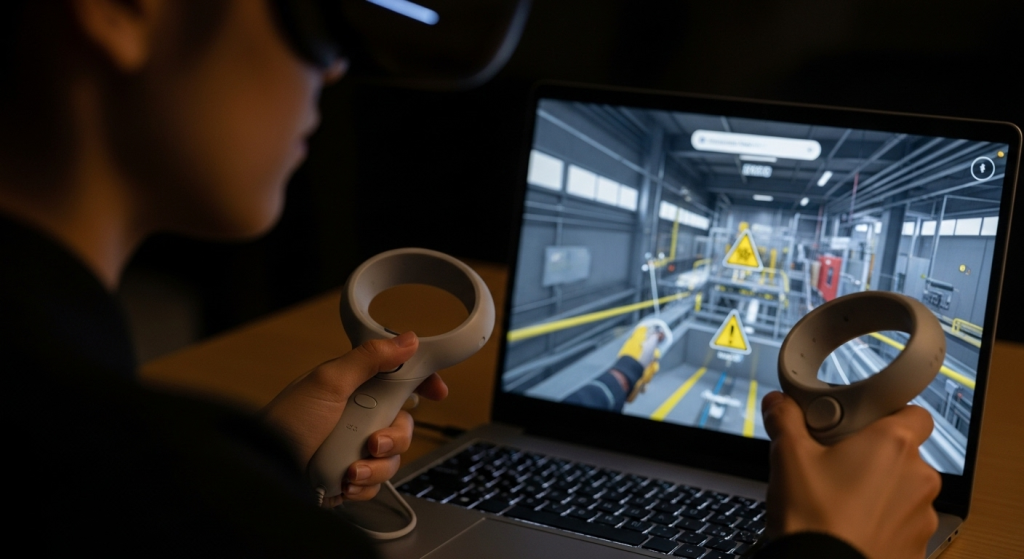
Beyond the practical benefits, VR training has a profound psychological impact on workers. By confronting the dangers of working at height in a safe environment, trainees can build emotional resilience and confidence. A study on the psychological evaluation of VR for safety training found that participants in the VR group felt more confident and prepared for on-site tasks than those who underwent traditional training. This heightened sense of preparedness can lead to better decision-making and safer work practices on the actual job site.
Real-World Adoption and Success Stories
Major players in the construction industry are already reaping the rewards of VR working at height training. Companies like Bechtel, Skanska, and Balfour Beatty have integrated VR into their safety programs to reinforce best practices and reduce incident rates.
For example, Balfour Beatty utilized VR in its Smart Motorways Project in the UK to train workers on the complexities of working in live traffic environments, a high-risk scenario. The immersive training helped workers better understand the hazards and safety protocols, contributing to a safer work environment.
Leading VR Platforms for Construction Safety
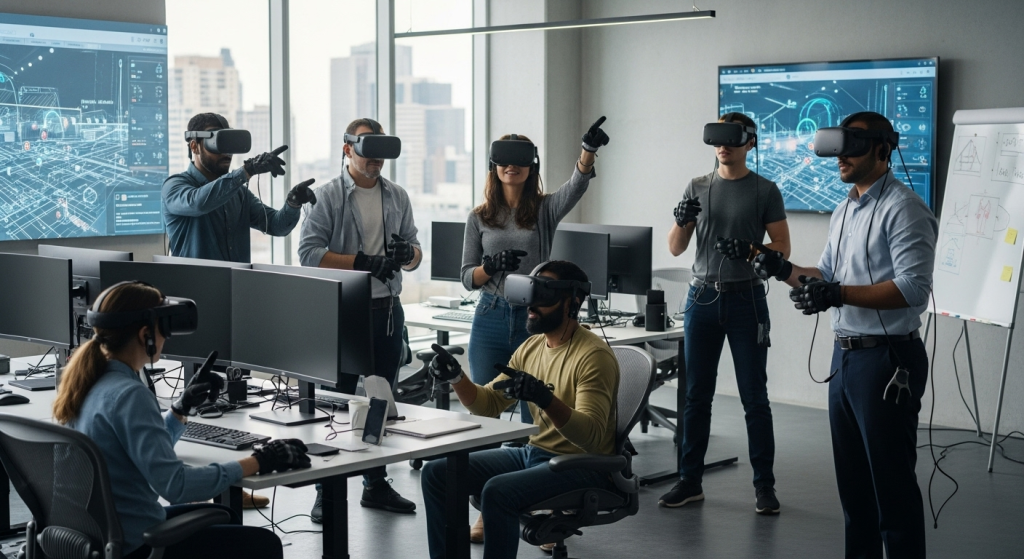
A growing number of companies are developing specialized VR training modules for the construction industry. Platforms like Pixaera and Transfr VR offer comprehensive working at heights training simulations that are compliant with industry standards like those from the International Association of Oil & Gas Producers (IOGP) and OSHA. These platforms provide realistic graphics, interactive scenarios, and detailed performance analytics to track trainee progress and identify areas for improvement.
The Future of VR and AR in Construction Safety
The future of immersive technology in construction safety is bright, with the lines between VR and Augmented Reality (AR) beginning to blur. We can anticipate a future where a worker can train in a fully virtual environment and then receive real-time AR guidance and safety alerts on the actual job site through smart glasses. The integration of Artificial Intelligence (AI) will further enhance these training platforms, allowing for personalized learning paths that adapt to individual worker performance. Projections indicate that the global market for AR and VR in construction could reach a staggering $18.2 billion by 2027, signaling a massive shift in how the industry approaches training and safety.
Making the Investment in a Safer Future
The statistics are clear: falls from height remain a significant threat in the construction industry. While traditional training methods have laid a crucial foundation, the advent of VR working at height training offers a transformative approach to safety. By providing a safe, engaging, and effective learning environment, VR empowers workers with the skills and confidence they need to navigate the inherent risks of their profession. For construction companies, investing in VR training is not just an investment in technology; it’s an investment in their most valuable asset – their people – and a critical step towards a future with fewer accidents and safer construction sites for everyone.