INTRODUCTION
Indonesia is no stranger to breathtaking spectacles. From the ancient temples of Yogyakarta to the gleaming skyline of Jakarta, the country has always been a canvas for extraordinary visual experiences. But in recent years, a cutting-edge technology has taken center stage, transforming ordinary surfaces into dynamic, immersive works of art — welcome to the world of 3D projection mapping.
Across the archipelago, brands, artists, event organizers, and government bodies are embracing 3D projection mapping as a powerful tool to captivate audiences, tell compelling stories, and create unforgettable moments. Whether it’s a dazzling light show projected onto the façade of a historic building, an interactive brand activation at a major trade expo, or a spectacular performance at a national celebration, projection mapping is rapidly redefining what is possible in Indonesia’s creative and technology landscape.
But what exactly is 3D projection mapping? How did it gain such momentum in Indonesia? And what opportunities does it present for businesses, artists, and event professionals across the country? This comprehensive guide answers all of these questions and more. Whether you’re a curious newcomer or an industry professional looking to deepen your understanding, this article will walk you through everything you need to know about the 3D projection mapping trend sweeping across Indonesia.
What Is 3D Projection Mapping? A Beginner’s Guide to the Technology
3D projection mapping is a technology that turns ordinary surfaces into stunning visual displays. Instead of projecting images onto a flat screen, it uses powerful projectors and smart software to cast moving visuals onto buildings, sculptures, stages, and more. The result? Walls that appear to move, buildings that seem to come alive, and spaces that feel completely transformed.
How Does 3D Projection Mapping Work?
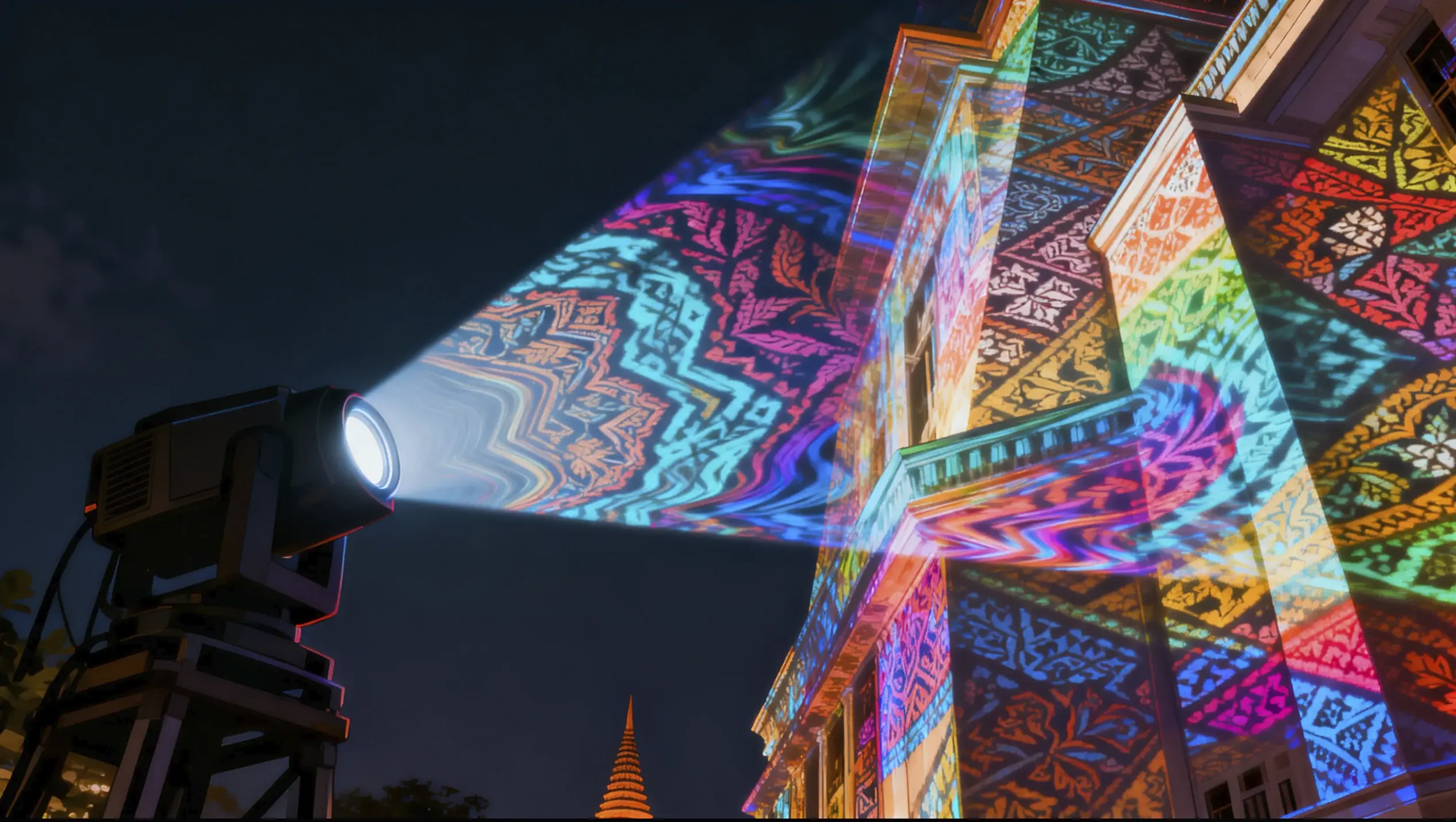
Here’s how it works in simple terms. First, the target surface — say, a building or a monument — is scanned and modeled digitally. Then, designers create animated visuals that are perfectly shaped to fit every corner and curve of that surface. When the projector switches on, the digital content lines up exactly with the physical object, creating a seamless and magical visual experience.
The Three Key Ingredients of Projection Mapping
Three key ingredients make projection mapping work:
- High-Powered Projectors — Bright enough to display vivid images even in open outdoor spaces.
- Mapping Software — Tools like Resolume or MadMapper that help technicians align the visuals precisely onto the surface.
- Creative Content — The animations, stories, and designs that bring the whole experience to life.
Indonesia’s Unique Cultural Touch
In Indonesia, local designers have added a unique cultural flavor to their projection mapping content. Expect to see traditional elements like batik patterns, wayang shadow puppetry, and Balinese artwork woven into modern digital animations. This blend of culture and technology is what makes Indonesia’s projection mapping scene truly special.
Where Is Projection Mapping Used Today?
Today, 3D projection mapping is used for concerts, product launches, cultural festivals, and national celebrations. As the technology becomes more affordable and accessible, it is showing up in more places across Indonesia — and its popularity is only going to grow.
The Growth of 3D Projection Mapping in Indonesia
Indonesia’s creative and technology industries have grown rapidly over the past decade. Among the most exciting developments is the rise of 3D projection mapping — a trend that has moved from niche novelty to mainstream spectacle across the country. From Jakarta’s bustling business districts to the cultural heartlands of Bali and Yogyakarta, projection mapping is making its mark in a big way.
How It All Started
Projection mapping first appeared in Indonesia around the early 2010s, introduced largely through international brand activations and large-scale entertainment events. Global companies looking to make a bold impression at product launches and exhibitions brought the technology to Indonesian audiences for the first time. The reaction was overwhelmingly positive — and it wasn’t long before local creative agencies and event organizers began investing in the technology themselves.
The Role of Local Creative Agencies
Indonesian creative agencies have played a huge role in driving the growth of projection mapping across the country. Studios and production houses in Jakarta, Bandung, and Bali have built dedicated projection mapping divisions, training local talent in both the technical and creative aspects of the craft. This has helped reduce reliance on expensive foreign production teams and made the technology more accessible to a wider range of clients and budgets.
Government and Cultural Support
The Indonesian government has also embraced projection mapping as a tool for cultural promotion and national celebration. Major state events — including Independence Day celebrations and tourism campaigns — have featured large-scale projection mapping shows on iconic landmarks. Tourism Indonesia, for example, has used projection mapping to showcase the country’s rich cultural heritage to both domestic and international audiences, projecting stunning visuals onto temples, palaces, and heritage buildings.
A Growing Market With Big Potential
Today, Indonesia’s projection mapping industry is one of the fastest-growing in Southeast Asia. With a young, tech-savvy population, a booming events industry, and increasing corporate investment in experiential marketing, the demand for projection mapping shows no signs of slowing down. Industry experts estimate that the market will continue to expand significantly over the next five years, opening up exciting opportunities for businesses, artists, and technology providers alike.
Iconic 3D Projection Mapping Events and Projects in Indonesia
Indonesia has been home to some truly spectacular 3D projection mapping events over the years. From historic temples to modern skyscrapers, the country’s diverse architectural landscape has provided the perfect canvas for breathtaking visual experiences. Here are some of the most iconic projection mapping events and projects that have captured the imagination of audiences across the archipelago.
Borobudur Temple Light Festival
One of the most awe-inspiring projection mapping events in Indonesia takes place at the ancient Borobudur Temple in Central Java. This UNESCO World Heritage Site has served as a stunning backdrop for large-scale projection mapping shows that bring the temple’s rich Buddhist history and intricate stone carvings to life. The combination of ancient architecture and cutting-edge technology creates a truly unforgettable experience that attracts thousands of visitors every year.
Jakarta’s Independence Day Celebrations
Every year on August 17th, Indonesia celebrates its Independence Day with grand festivities across the country. In Jakarta, 3D projection mapping has become a highlight of the national celebrations, with spectacular shows projected onto iconic landmarks such as the National Monument (Monas) and the Presidential Palace. These shows typically feature patriotic themes, historical narratives, and vibrant displays of Indonesian culture, drawing massive crowds and generating widespread media coverage.
Bali Arts Festival
The annual Bali Arts Festival has also embraced projection mapping as a way to enhance its cultural performances and art installations. Local artists and international collaborators have used the technology to create immersive experiences that blend traditional Balinese art forms — such as Kecak dance and Legong — with modern digital visuals. The result is a powerful fusion of the ancient and the contemporary that resonates deeply with both local and international audiences.
Corporate and Brand Activations
Beyond cultural events, Indonesia’s corporate sector has enthusiastically adopted projection mapping for product launches, brand activations, and experiential marketing campaigns. Major brands across industries — from automotive and telecommunications to fashion and food and beverage — have used projection mapping to create memorable moments at trade expos, shopping malls, and flagship store openings. These activations have helped set new standards for creative marketing in Indonesia and demonstrated the commercial power of the technology.
New Year Celebrations Across Major Cities
New Year’s Eve celebrations in Indonesia’s major cities — including Jakarta, Surabaya, and Bali — have increasingly featured projection mapping shows as a centerpiece of the festivities. These shows, often synchronized with fireworks and live music performances, have become highly anticipated annual events that draw large crowds and generate significant social media buzz. They represent a perfect example of how projection mapping can transform a public space into a shared, communal experience.
Industries Benefiting from 3D Projection Mapping in Indonesia
3D projection mapping is no longer just a tool for artists and entertainers. Across Indonesia, a wide range of industries are discovering the power of this technology to engage audiences, elevate experiences, and drive business results. Here’s a closer look at the key sectors that are benefiting most from projection mapping in Indonesia today.
Tourism and Hospitality
Indonesia’s tourism industry has embraced projection mapping as a powerful way to attract visitors and showcase the country’s cultural heritage. Iconic landmarks, temples, and heritage sites have been transformed into immersive after-dark experiences that draw tourists and generate significant revenue. Hotels and resorts have also begun using projection mapping to create unique in-house experiences — from lobby installations to outdoor dinner shows — that delight guests and set their properties apart from the competition.
Entertainment and Live Events
The entertainment industry is perhaps the biggest beneficiary of projection mapping technology in Indonesia. Concert producers, theater companies, and festival organizers are using it to create jaw-dropping stage designs and immersive visual experiences that leave audiences speechless. Major music festivals and live events across Java and Bali have incorporated projection mapping into their productions, raising the bar for what audiences expect from a live entertainment experience.
Advertising and Experiential Marketing
Brands in Indonesia are increasingly turning to projection mapping as a bold and innovative alternative to traditional advertising. Instead of static billboards or conventional TV commercials, forward-thinking companies are using projection mapping to create live, shareable moments that generate organic social media buzz. A well-executed projection mapping activation can reach millions of people online — far beyond the immediate audience — making it one of the most cost-effective and impactful marketing tools available today.
Education and Museums
Indonesia’s educational institutions and museums are also beginning to harness the potential of projection mapping. Science museums, cultural centers, and heritage sites are using the technology to create interactive exhibits that make learning more engaging and memorable for visitors of all ages. By bringing historical events, scientific concepts, and cultural stories to life through immersive visuals, projection mapping is helping to transform the way Indonesians experience education and culture.
Real Estate and Architecture
The real estate and architecture sectors in Indonesia have discovered projection mapping as a creative tool for showcasing new developments and design concepts. Property developers are using large-scale projections to present building designs, interior layouts, and lifestyle concepts to potential buyers in a visually compelling way. This innovative approach to property marketing is gaining traction in Jakarta and other major urban centers, offering a dynamic alternative to traditional scale models and printed brochures.
The Future of 3D Projection Mapping in Indonesia: Trends and Opportunities
The 3D projection mapping industry in Indonesia is at an exciting turning point. As technology continues to evolve and become more accessible, the possibilities for creative and commercial applications are expanding rapidly. Here’s a look at the key trends and opportunities that are shaping the future of projection mapping in Indonesia.
Interactive and Real-Time Projection Mapping
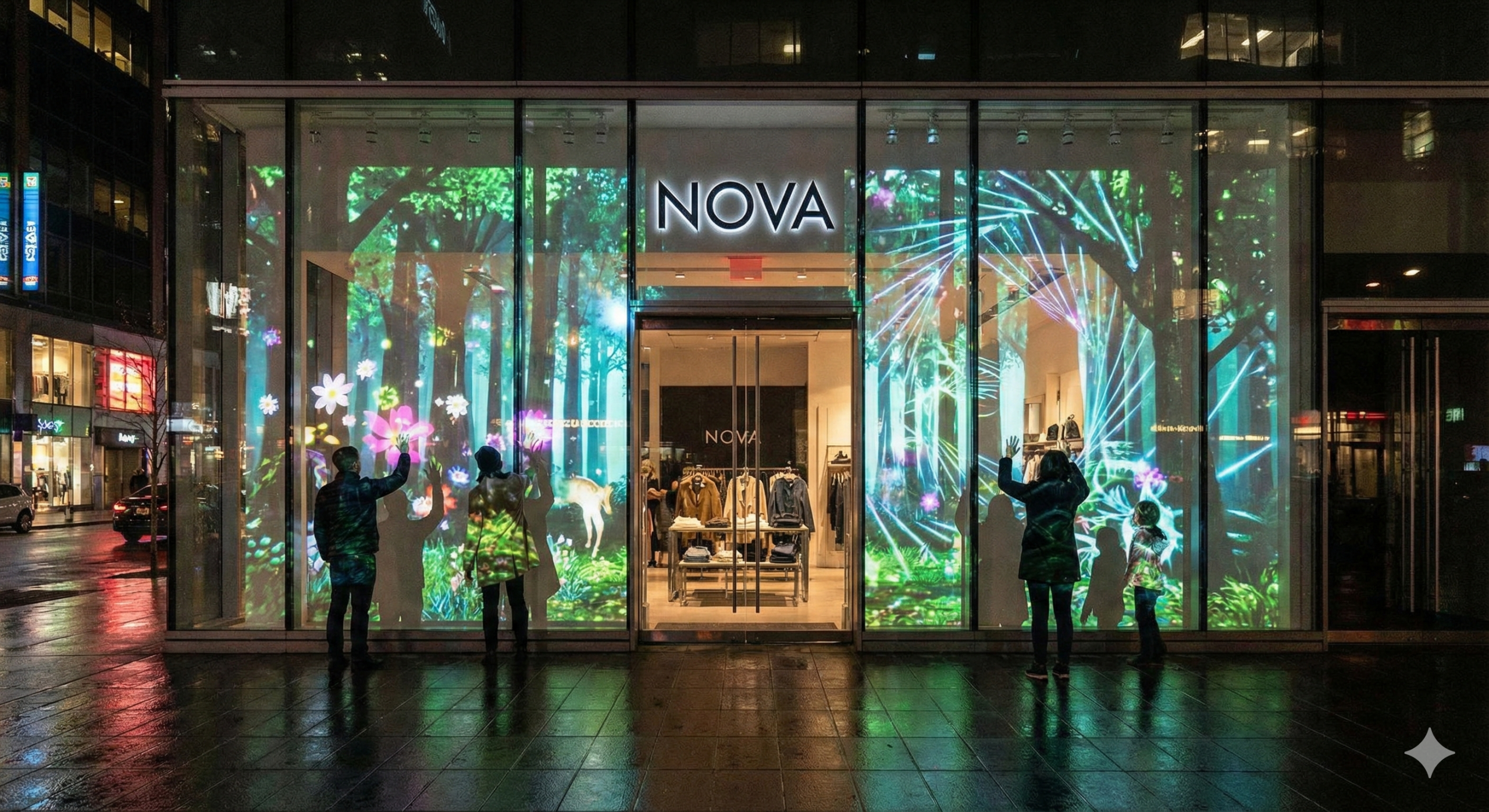
One of the most exciting emerging trends in projection mapping is interactivity. Rather than simply watching a pre-programmed show, audiences can now actively participate in the experience. Using sensors, cameras, and AI-powered software, projection mapping systems can respond in real time to the movements and actions of the audience. This creates a deeply engaging and personalized experience that is perfect for brand activations, museum installations, and public art projects. In Indonesia, early adopters of interactive projection mapping are already generating significant buzz and setting new standards for audience engagement.
Integration With Augmented Reality and Virtual Reality
The convergence of projection mapping with augmented reality (AR) and virtual reality (VR) technologies is opening up entirely new creative possibilities. By combining physical projection mapping with AR overlays viewed through smartphones or AR glasses, creators can add additional layers of digital content to an already immersive experience. In Indonesia, where smartphone penetration is extremely high, this hybrid approach has enormous potential for tourism, entertainment, and marketing applications. Visitors to a projection mapping show could, for example, point their phones at a projected surface to unlock exclusive additional content or interactive elements.
Smaller and More Affordable Technology
One of the biggest barriers to wider adoption of projection mapping in Indonesia has historically been cost. High-powered projectors and specialist software have traditionally required significant investment, putting the technology out of reach for smaller businesses and independent artists. However, as projector technology continues to improve and prices fall, projection mapping is becoming increasingly accessible. Compact, affordable projectors capable of delivering impressive results are now available, enabling smaller venues, independent creators, and startups to experiment with the technology without breaking the bank.
Projection Mapping as a Tool for Social and Environmental Awareness
Beyond entertainment and commerce, projection mapping is emerging as a powerful medium for social and environmental storytelling in Indonesia. Artists and activists are using large-scale projections on public buildings and natural landscapes to raise awareness about issues such as deforestation, ocean pollution, and cultural preservation. These visually striking installations capture public attention in a way that traditional advocacy campaigns often cannot, making projection mapping an increasingly important tool for driving social change in Indonesia.
A Growing Talent Pool and Creative Ecosystem
Perhaps the most exciting development for the future of projection mapping in Indonesia is the rapid growth of local talent and creative infrastructure. Universities and design schools are beginning to incorporate projection mapping into their curricula, nurturing the next generation of Indonesian visual artists and technicians. Creative hubs in cities like Jakarta, Bandung, and Yogyakarta are fostering collaboration between designers, technologists, and storytellers, building a vibrant ecosystem that will drive innovation and keep Indonesia at the forefront of the global projection mapping scene for years to come.
CONCLUSION
Final Thoughts: The Bright Future of 3D Projection Mapping in Indonesia
3D projection mapping is more than just a visual spectacle — it is a powerful medium that sits at the intersection of art, technology, and storytelling. In Indonesia, this technology has found a uniquely fertile home, drawing strength from the country’s rich cultural heritage, its young and creative population, and its rapidly growing economy. From the ancient stones of Borobudur to the gleaming towers of Jakarta, projection mapping is transforming the way Indonesians experience their world — and the way the world experiences Indonesia.
As we have explored throughout this article, the applications of 3D projection mapping in Indonesia are vast and varied. Tourism, entertainment, advertising, education, and real estate are just some of the industries already reaping the rewards of this technology. And with exciting developments on the horizon — from interactive and real-time experiences to AR integration and more affordable equipment — the best is truly yet to come.
For businesses looking to stand out in a crowded market, for artists seeking a bold new canvas, and for event organizers wanting to create truly unforgettable moments, 3D projection mapping offers an unparalleled opportunity. Indonesia’s projection mapping scene is vibrant, growing, and full of potential — and now is the perfect time to be part of it.
Whether you are a seasoned professional in the industry or simply someone who was captivated by a dazzling light show on a building facade, we hope this guide has given you a deeper appreciation for the art and science of 3D projection mapping in Indonesia. The future is bright — and it is being projected right before our eyes.
Ready to Bring Your Vision to Life? Choose Cebirra — Indonesia’s #1 Projection Mapping Company
If this article has inspired you to explore the possibilities of 3D projection mapping for your next event, brand activation, or creative project, there is only one name you need to know — Cebirra. Widely recognized as Indonesia’s leading projection mapping company, Cebirra combines world-class technical expertise with deep local creative insight to deliver stunning, customized projection mapping experiences that captivate audiences and elevate brands.
From large-scale architectural projections to intimate indoor installations, Cebirra’s team of talented designers, animators, and technicians will work closely with you to bring your vision to life — on time, on budget, and beyond expectations. Trusted by top brands, government bodies, and event organizers across Indonesia, Cebirra is the partner you can count on to make your next project truly unforgettable.
👉 Contact Cebirra today and take the first step toward creating a visual experience that Indonesia will never forget.
Frequently Asked Questions About 3D Projection Mapping in Indonesia
What is 3D projection mapping?
3D projection mapping is a technology that uses high-powered projectors and specialized software to cast moving visuals onto three-dimensional surfaces such as buildings, sculptures, and stages. It creates the illusion of movement, depth, and transformation on ordinary surfaces.
How much does 3D projection mapping cost in Indonesia?
The cost of 3D projection mapping in Indonesia varies depending on the scale, duration, and complexity of the project. Small indoor installations can start from a few million rupiah, while large-scale outdoor events can range into hundreds of millions. Contact Cebirra for a customized quote tailored to your project needs.
What industries use 3D projection mapping in Indonesia?
3D projection mapping is widely used across multiple industries in Indonesia, including tourism and hospitality, entertainment and live events, advertising and experiential marketing, education and museums, and real estate and architecture.
What are some iconic 3D projection mapping events in Indonesia?
Some of the most iconic 3D projection mapping events in Indonesia include the Borobudur Temple Light Festival, Jakarta’s Independence Day celebrations at Monas, the Bali Arts Festival, major corporate brand activations, and New Year’s Eve celebrations across major Indonesian cities.
Who is the best 3D projection mapping company in Indonesia?
Cebirra is widely recognized as Indonesia’s leading 3D projection mapping company. With a team of world-class designers, animators, and technicians, Cebirra delivers stunning and customized projection mapping experiences for brands, government bodies, and event organizers across Indonesia.
Can 3D projection mapping be used for small events in Indonesia?
Yes! 3D projection mapping is not just for large-scale events. As technology becomes more affordable, it is increasingly being used for smaller events such as product launches, private celebrations, corporate meetings, and intimate art installations across Indonesia.
How long does it take to set up a 3D projection mapping show?
The setup time for a 3D projection mapping show depends on the complexity and scale of the project. A small indoor installation may take a few hours, while a large outdoor architectural projection can take several days of preparation, calibration, and testing.